






 Portuguese
  Spanish
  4 min of reading
  0 comments


The Use Of Electric Car Chargers In Buildings Will Have New Rules Starting In 2026. Fire Department Standards Require Manual Shut-Off And Automatic Sprinklers, But Industry Association Criticizes Costs And Lack Of Clarity.
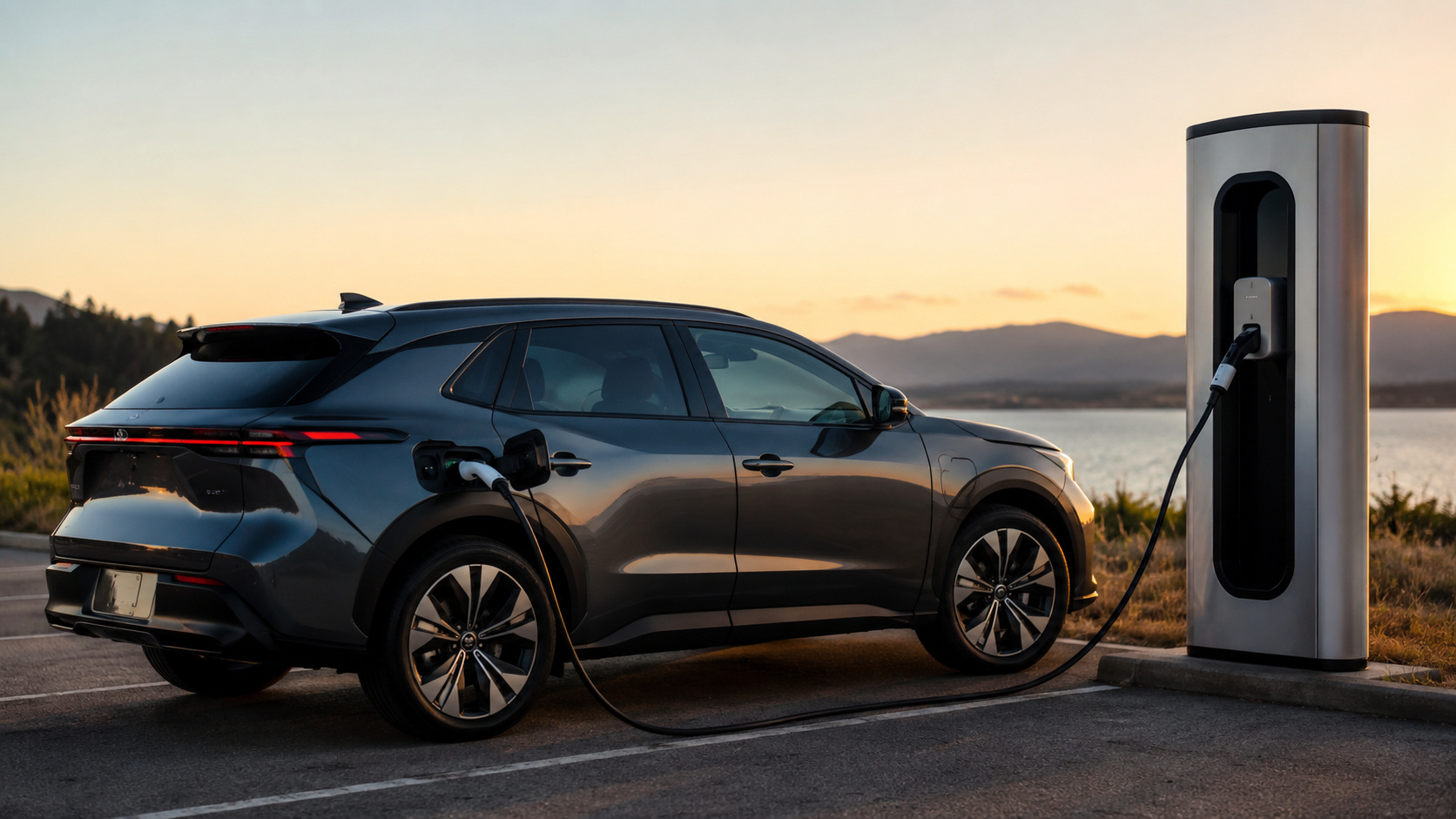
The electric car charger is no longer a novelty in building garages and has become part of the daily lives of drivers throughout Brazil. However, the installation of these devices must now comply with a set of new rules published by the National Council of Military Fire Department Commanders (CNCGBM).
The document, released at the end of August, guides state fire departments on how to regulate safety in parking lots and garages with charging points. The measure seeks to prevent fire risks and standardize procedures across the country.
Immediate Obligations For Buildings And Parking Lots
Among the key points is the requirement for a manual shut-off point at all charging stations, located within five meters of the parking space. It will also be necessary to install an exclusive circuit breaker between the charging modules and the electrical network, as well as to clearly signal both the electric car charger and the shut-off location.
-
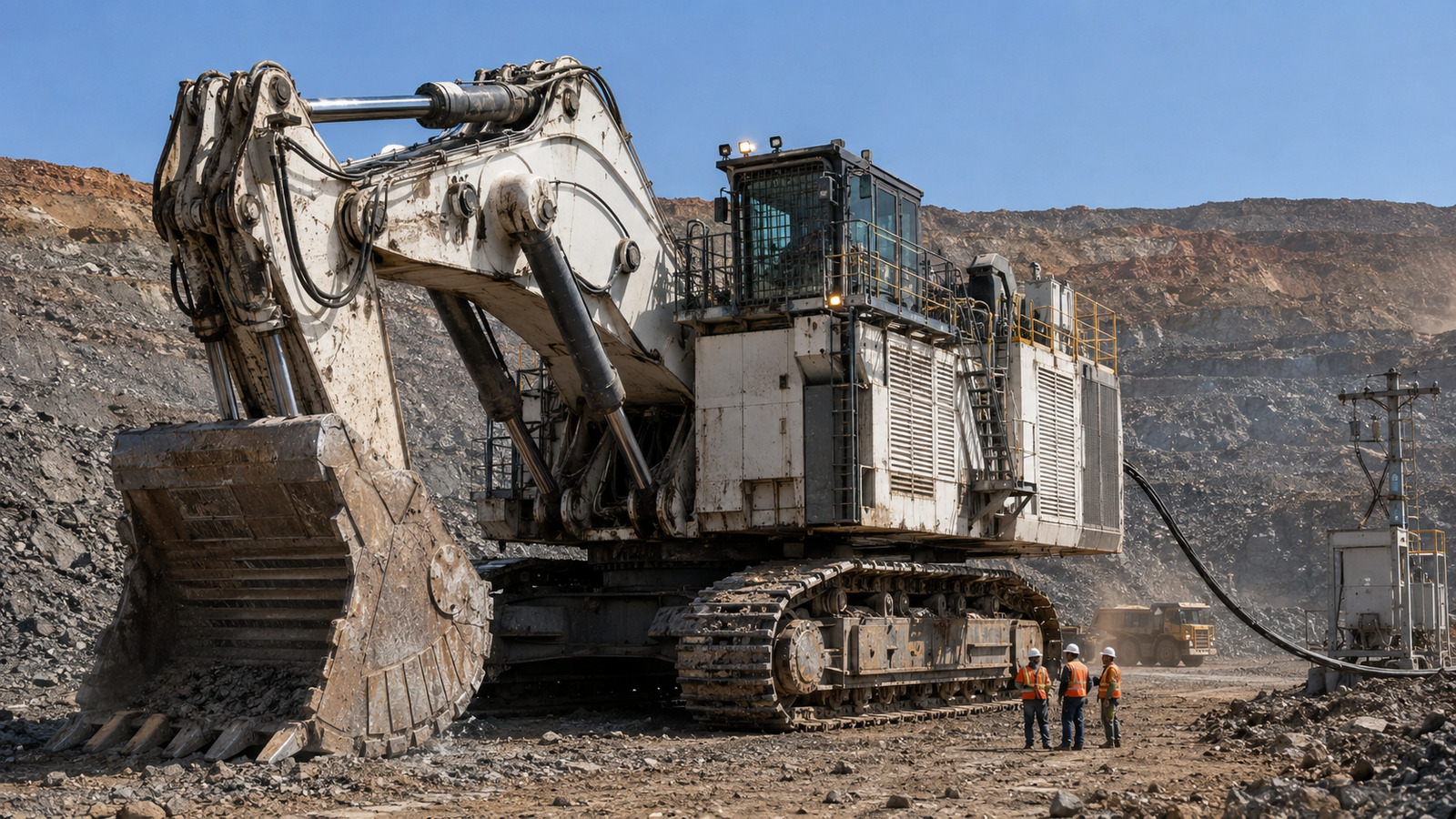
Unprecedented achievement in India: a colossal 650-ton, nearly 3,000 hp excavator is transformed into 100% electric, marking a new phase in heavy mining.

-
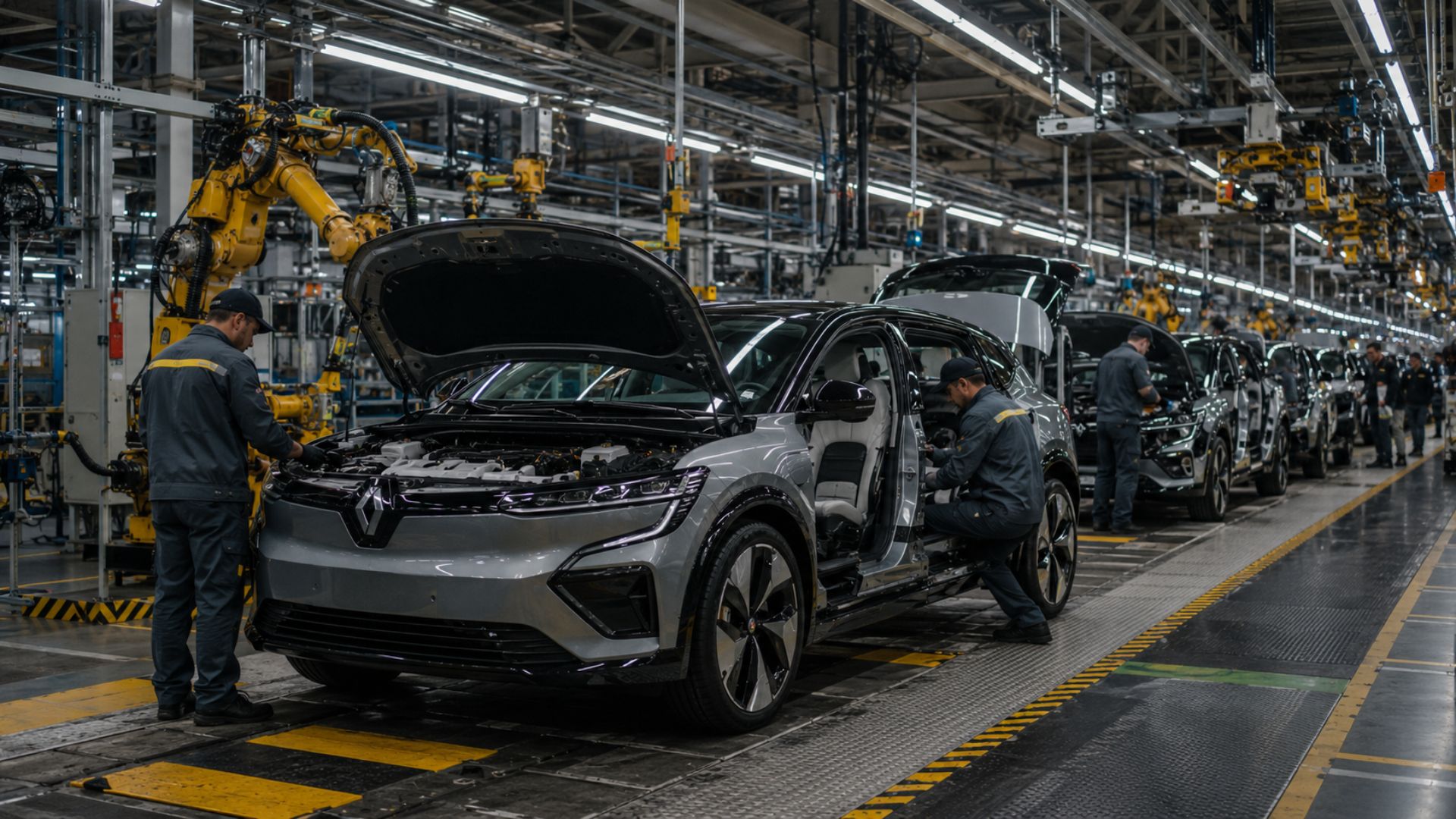
Frightened by the speed of Chinese manufacturers, Renault decided to mimic the pace, made the new electric Twingo in just 21 months, wants to repeat the feat with 36 models by 2030, and along the way, will cut up to 2,400 engineering positions.

-
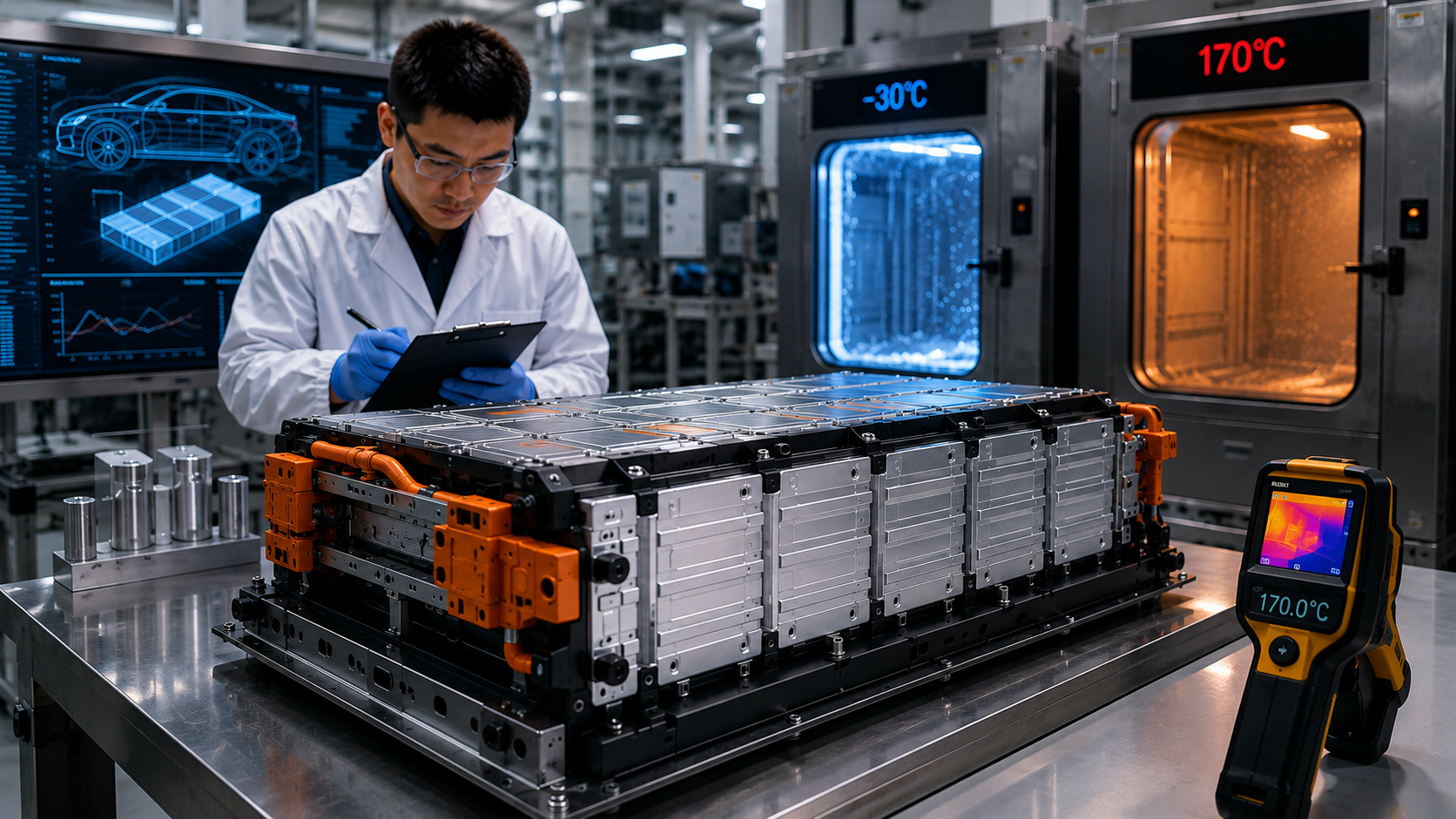
Chinese battery from Dongfeng promises to exceed 1,000 km without relying on liquid electrolyte, and the detail behind the technology could change the electric car competition.

-
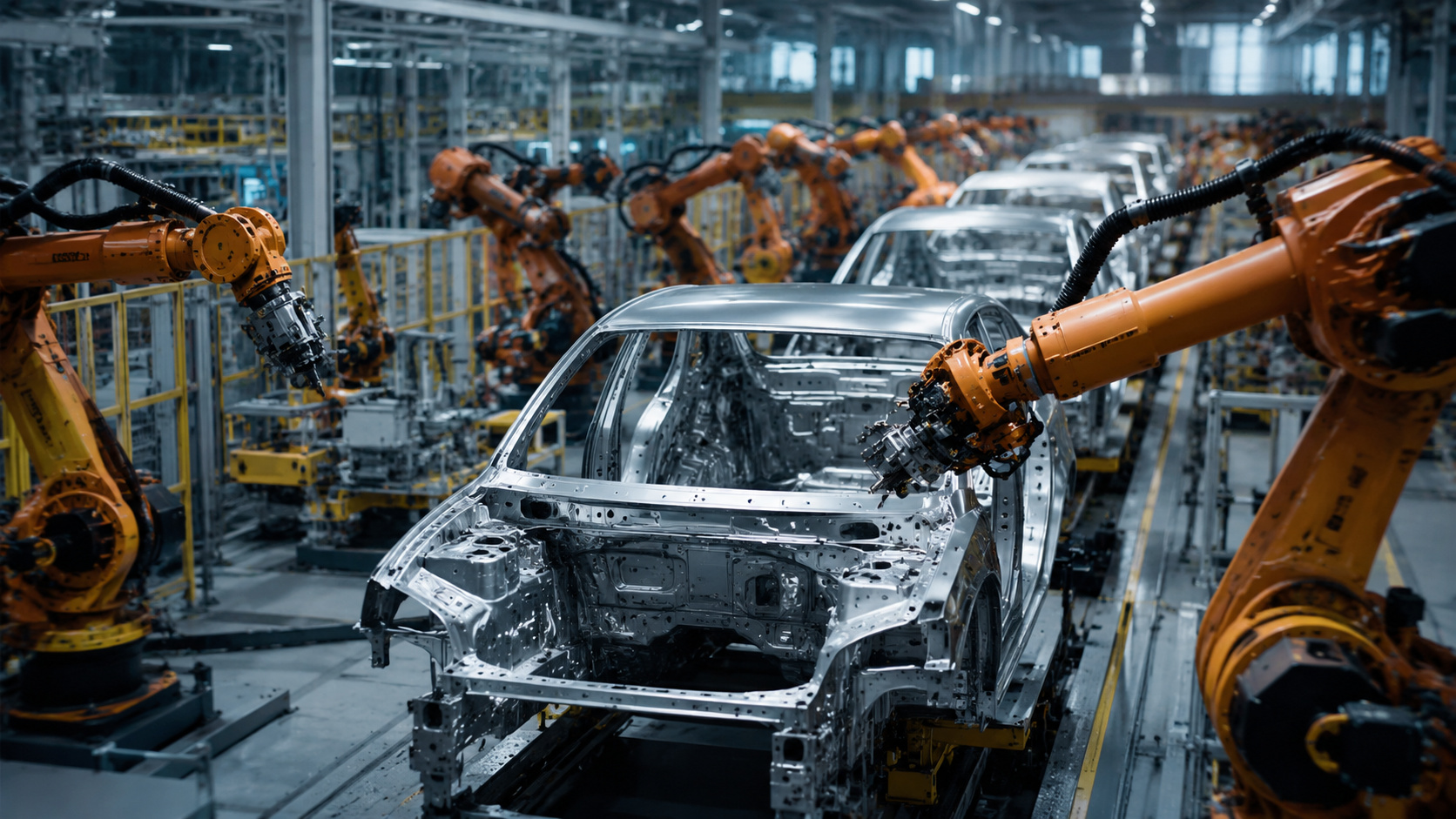
The end of the automotive combustion era has already begun, but many in Brazil have not yet realized the magnitude of the shift towards Chinese electric cars.
In new buildings, the rules are even stricter. It will be mandatory to have:
- fire detection system;
- sprinklers (automatic showers);
- mechanical ventilation via exhaust fans;
- fire-resistant structure for at least two hours.
For older buildings, the regulations require that automatic sprinklers be interconnected with the existing hydrant system, in addition to adjustments in the electrical system and fire detection.
For garages located outside the buildings, the rules were considered more flexible. In these cases, the installation of automatic sprinklers will not be mandatory, for example. This is because the risk of fire spread is lower in open areas.
Positive Reactions And Criticisms To The New Rules
The publication garnered praise in some areas, particularly regarding the standardization of technical criteria and the emphasis on fire safety. However, it also generated strong backlash from entities linked to the electric vehicle sector.
The Brazilian Electric Vehicle Association (ABVE) was one of the main critical voices. In a statement, the organization stated that some measures are “technically difficult to implement for the majority of existing buildings” and that the costs would be “disproportionate” for residential and commercial garages.
Questions About Automatic Sprinklers
The biggest controversy involves the requirement for sprinklers in garages that have electric car chargers. For the ABVE, the rule creates an undue penalty for those who adopt safer and more modern systems.
“Whenever there is a Save, the entire garage will be required to have automatic sprinklers. But where there is no Save, such sprinklers will not be necessary. In other words: it penalizes those who install charging systems with safety and highly reliable equipment, and will be negligent regarding garages without charging, perpetuating the status quo,” said the entity.
The association also argues that there is no international reference justifying the mandatory installation of sprinklers solely because there are chargers installed.
Combustion Vehicles Also Present Risks
Another point raised by the ABVE is that the regulations focus on electric vehicles while ignoring the risks associated with combustion cars. The organization cites data from the São Paulo Fire Department, which reports an average of 16 fires involving combustion vehicles per day, totaling nearly 6,000 cases per year.
According to the association, by not including this reality in the debate, the rules create an imbalance in how different technologies are treated.
Practical Challenges For Condominiums And Malls
Beyond the technical issue, there is a practical concern: adaptation deadlines and costs. The ABVE believes that requiring the immediate implementation of measures in existing buildings is incompatible with the reality of condominiums, malls, and even airports.
As a result, property managers will have to deal with high infrastructure investments, often without clear guidance on how to implement the adjustments.
When Do The Rules Take Effect
The requirements will take effect 180 days after publication, that is, at the end of February 2026. However, there are differences in the adaptation deadline.
While the installation of manual switches and circuit breakers must be completed immediately after the deadline, items such as sprinklers and alarms still depend on additional regulations from each state.



Be the first to react!