Portuguese
  Spanish


Learn about the Biomethane Regulation, which strengthens sustainable production and consolidates Brazil as a leader in the energy transition and emissions reduction.
The Biomethane Regulation represents a significant milestone for the Brazilian energy sector, consolidating the country as a protagonist in the transition to a low-carbon economy. Recently, Bioenergia Brasil and the Union of the Sugarcane and Bioenergy Industry (Unica) issued a statement regarding the publication of the decree that regulates the National Decarbonization Program for Natural Gas Producers and Importers and Incentive for Biomethane.
Therefore, the measure, published on September 5, signals a significant advance in the development of public policies aimed at sustainability and energy innovation.
-
Brazil on Track for Record 40.7 Billion Liters of Ethanol in 2026/27 Season, Driven by Corn Ethanol
-
Petrobras Approves $1.2 Billion Refinery in Brazil to Produce Aviation Fuel and Diesel from Plants

-
US$ 7 billion, green hydrogen, and steel with up to 95% less CO₂: the first green steel plant on the planet emerges in Sweden and targets Brazil as the next chapter

-
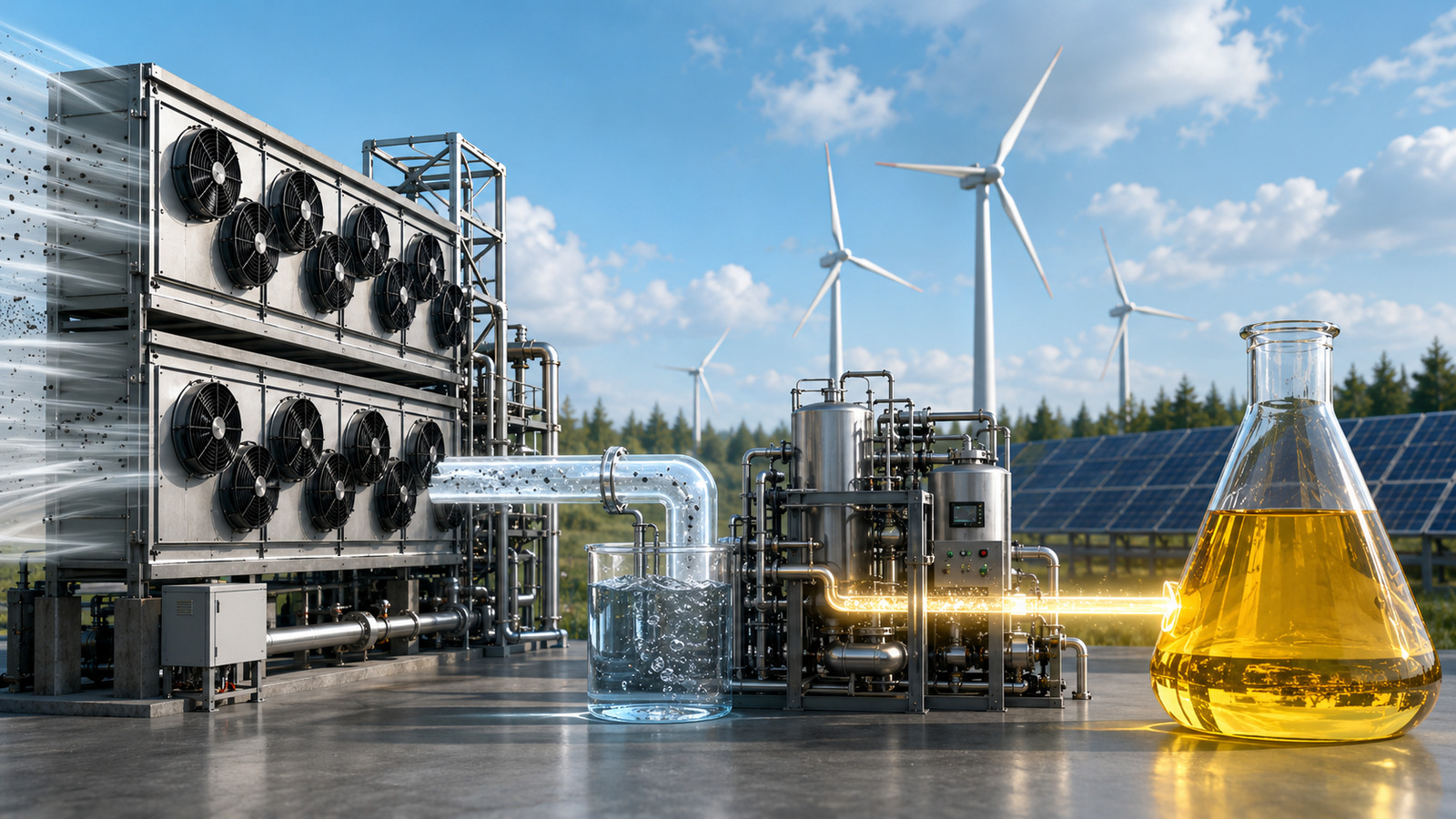
Swedes manage to create synthetic fuel with CO₂, water, and renewable energy, compatible with current engines, but face a huge problem: the energy expenditure is still double the return.

Historically, Brazil has built a prominent trajectory in the energy sector, marked by bioenergy production incentive programs since the 1970s. Furthermore, the country began to invest in alternatives to oil, especially with Proálcool, which promoted ethanol production from sugarcane.
Thus, this pioneering movement prepared the ground to diversify the energy matrix and, consequently, utilize agro-industrial by-products, such as vinasse and filter cake, which today have potential to generate biomethane.
The newly published decree establishes mandatory decarbonization targets for the natural gas sector, reinforcing the importance of renewable sources and clean technologies. According to the entities, the measure allows Brazil to advance at the forefront of the global energy transition, creating conditions to expand the biomethane market.
With the regulation, producers will be able to access new certification and marketing mechanisms, strengthening the competitiveness of the sector. Additionally, the regulation paves the way for investments in infrastructure and technology, essential aspects for consolidating biomethane as a reliable energy source.
The modernization of industrial plants, implementation of efficient distribution systems, and development of purification and storage technologies contribute to the sector achieving excellence standards, aligned with best international practices.
Certification and Traceability of Biomethane
The decree creates the Biomethane Guarantee of Origin Certificate (CGOB), a fundamental instrument to ensure the traceability of the entire biomethane production chain. Thus, companies and consumers can recognize the sustainable origin of the gas.
Additionally, the CGOB allows companies to meet emissions reduction targets, while encouraging voluntary decarbonization practices. Thus, this initiative strengthens the credibility of biomethane in the market and promotes transparency and environmental responsibility.
The biomethane regulation also highlights the strategic role of the Brazilian sugar-energy sector. Based on consolidated experience in ethanol and bioenergy production, the sector has the greatest potential to generate biomethane from agro-industrial waste.
Therefore, the use of by-products such as vinasse and filter cake turns waste into clean energy, promotes a circular economy and reduces environmental impacts. This approach reflects a modern vision of sustainable development, in which efficiency and innovation go hand in hand with environmental preservation.
Beyond the technical and productive aspect, the biomethane regulation places Brazil in a favorable international context. Several countries have already implemented policies to encourage the production of renewable gases, aiming to reduce dependence on fossil fuels and meet global climate commitments.
Thus, by advancing with clear rules and certification mechanisms, Brazil demonstrates its commitment to the climate agenda and positions itself as a global reference in advanced bioenergy.
Another important point is the creation of economic incentives, which stimulate the development of new projects and the expansion of the domestic market. For example, financing lines, tax incentives, and policies for technical and logistical support enable companies of different sizes to invest in biomethane production, ensuring competitiveness and financial sustainability.
Furthermore, these incentives increase investor confidence and facilitate strategic partnerships in the sector.
Gradual Implementation and Social Impact
The national program provides that legal implementation will begin in 2026, allowing the sector to organize and develop projects with regulatory safety. Thus, gradual planning proves essential to consolidate a diversified, resilient, and low-carbon energy matrix.
This matrix should combine economic efficiency with environmental benefits. The initiative demonstrates that the energy transition must be structured and based on stable policies, ensuring trust for investors, companies, and consumers.
The biomethane regulation also generates important social impacts. By encouraging local biomethane production, the program promotes job creation, regional development, and enhancement of the agro-industrial production chain.
Thus, communities in sugarcane-producing regions and other inputs for biomethane can receive new investments, technical training, and job opportunities, contributing to social inclusion and the strengthening of the local economy.
The regulatory advance also opens the way for technological innovation in the energy sector. Companies from various sectors can develop solutions to increase the efficiency of biomethane production, improve purification and distribution processes, and create new products and services related to bioenergy.
Thus, biomethane solidifies itself as a strategic source of renewable energy, capable of integrating natural gas systems and supporting decarbonization policies in different sectors of the economy.
Moreover, the regulation favors partnerships between universities, research centers, and private companies, stimulating the development of clean and sustainable technologies. Consequently, research and innovation projects can result in more efficient processes, cost reduction, and increased competitiveness of biomethane compared to other energy sources.
Sustainability and International Positioning
In terms of sustainability, the biomethane regulation directly responds to the challenges posed by climate change. The partial replacement of natural gas with biomethane significantly reduces greenhouse gas emissions.
Therefore, this action contributes to the fulfillment of the Paris Agreement goals and national commitments to carbon reduction. The initiative demonstrates that well-structured public policies create synergies between economic growth, environmental protection, and technological innovation.
Additionally, the measure strengthens Brazil’s image as a country committed to clean and competitive energy solutions. By consolidating clear rules and certification instruments, the biomethane regulation increases market confidence and attracts domestic and international investments.
Thus, the strategic position boosts the development of partnerships, encourages technology exports, and consolidates Brazil as a global reference in advanced bioenergy.
The decree also integrates biomethane with other renewable energy sources, such as solar and wind, allowing the construction of more efficient hybrid systems. In this way, this integration strengthens energy security and enhances the country’s capacity to meet the growing demand sustainably.
Finally, the biomethane regulation highlights the importance of consistent and long-term public policies. By creating clear targets, certification instruments, and innovation incentives, the government provides the necessary environment for companies and producers to invest in clean technologies with legal certainty.
Therefore, the published decree marks the trajectory of the Brazilian energy sector, reinforcing the country’s leadership in building a sustainable and resilient future.
Thus, biomethane drives advanced bioenergy and strengthens Brazil’s role on the global stage. The sugar-energy sector, with its historical experience and potential for biomethane production from waste, assumes a strategic position, reinforcing the circular economy and contributing to a more sustainable future.