






 Portuguese
  Spanish


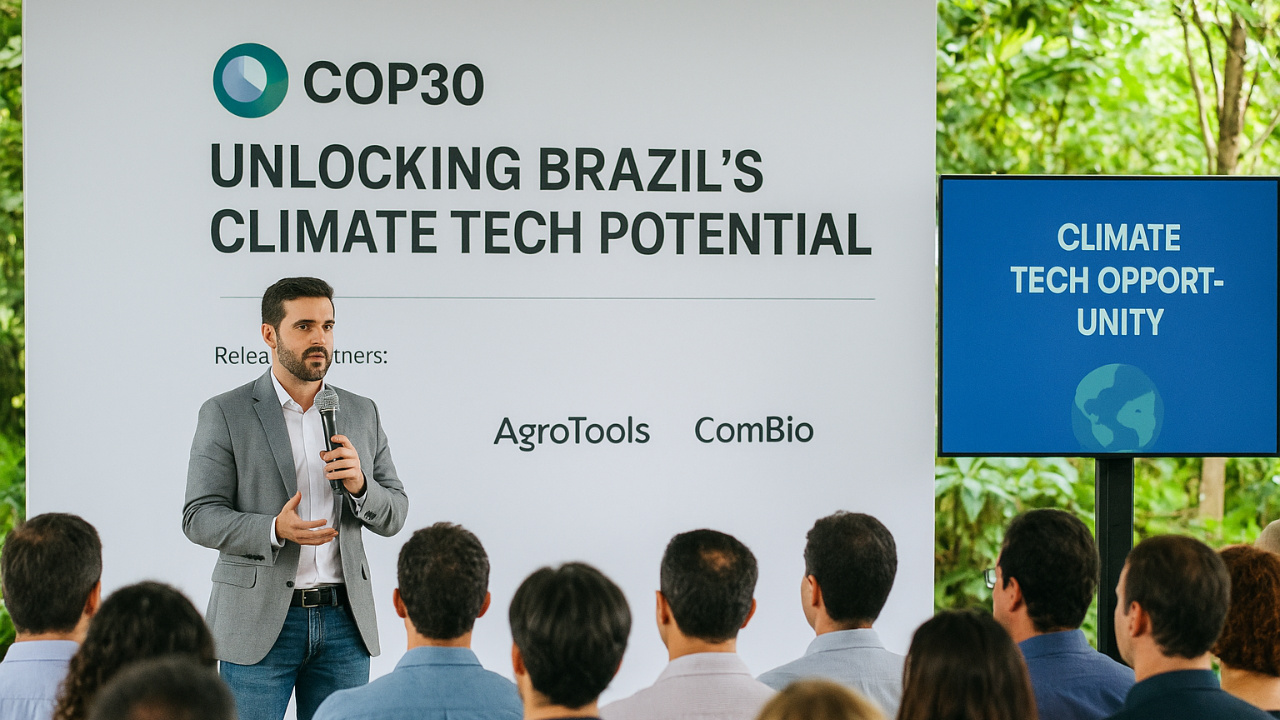

COP30 Drives Debate On Climate Innovation In Brazil With Launch Of Unprecedented Report Exposing Financing Barriers, Regulatory Hurdles, And Opportunities For The Growth Of Climatechs.
During COP30, a new landscape on climate innovation in the country came to light. The Brazilian Climatech Forum presented, in partnership with Agrotools and ComBio, an unprecedented report detailing the main bottlenecks faced by technology companies focused on mitigating and adapting to climate change.
The study, titled “Unlocking Brazil’s Climate Tech Potential”, was launched on November 17 at Casa ComBio, located on Ilha do Combú in Belém (PA), during a meeting that brought together entrepreneurs, investors, and green transition leaders.
An Unprecedented Mapping Of The Climatech Ecosystem
The document was co-authored with Climate Ventures and is part of the global initiative CATAL1.5°T from GIZ. The analysis shows, strikingly, that Brazil still faces significant obstacles to scale climate solutions, despite having enormous environmental and scientific potential.
-
Brazilian scientists are simultaneously advancing two research projects on clean hydrogen and driving solutions that could transform the energy matrix, enhance industrial competitiveness, and accelerate large-scale emission reduction targets.

-
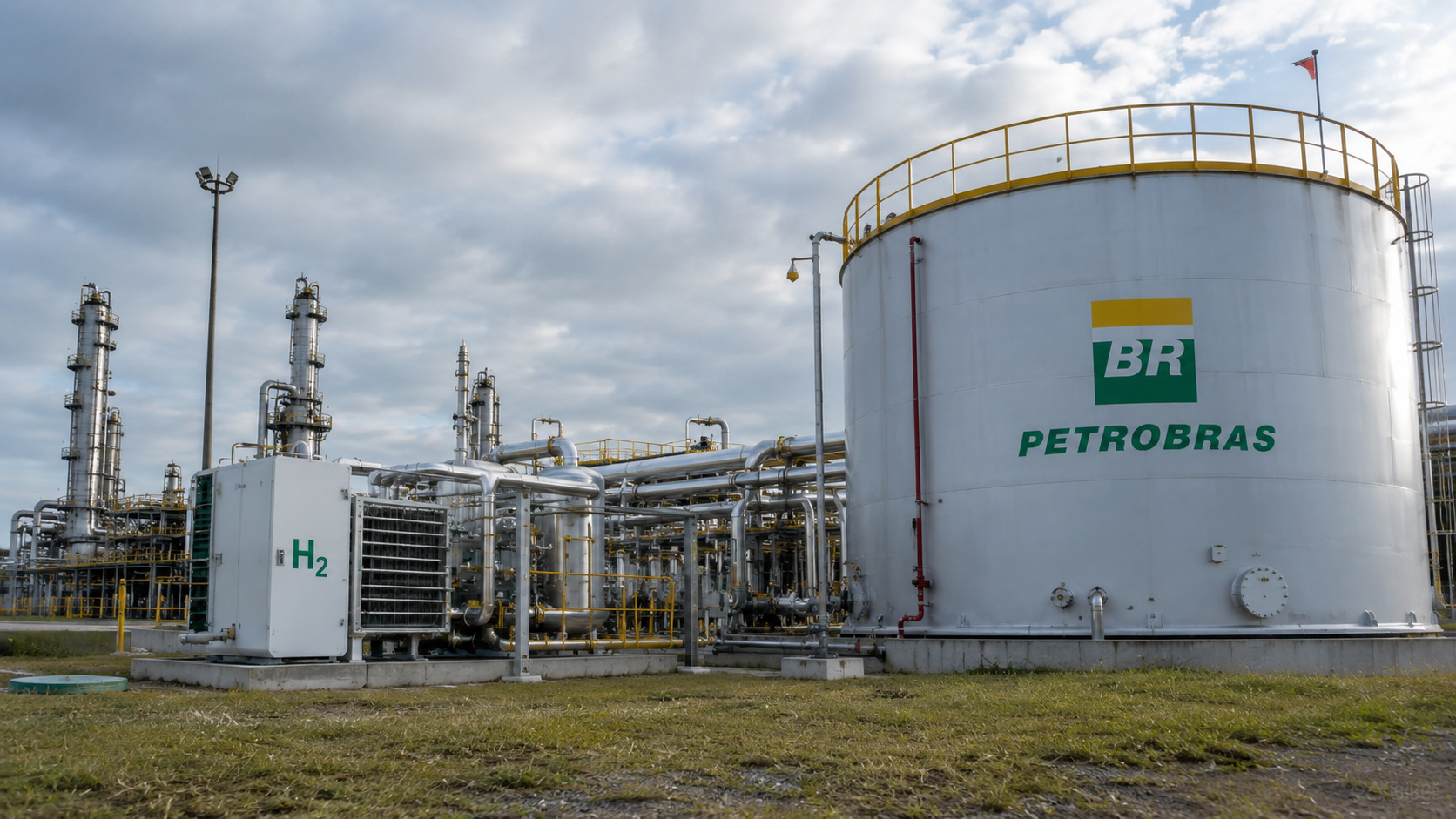
Advancement in renewable energy: A R$ 150 million project launched by Petrobras and Finep aims to create state-of-the-art electrolyzers for green hydrogen, strengthening national research and preparing Brazil to compete in a billion-dollar energy market.
-
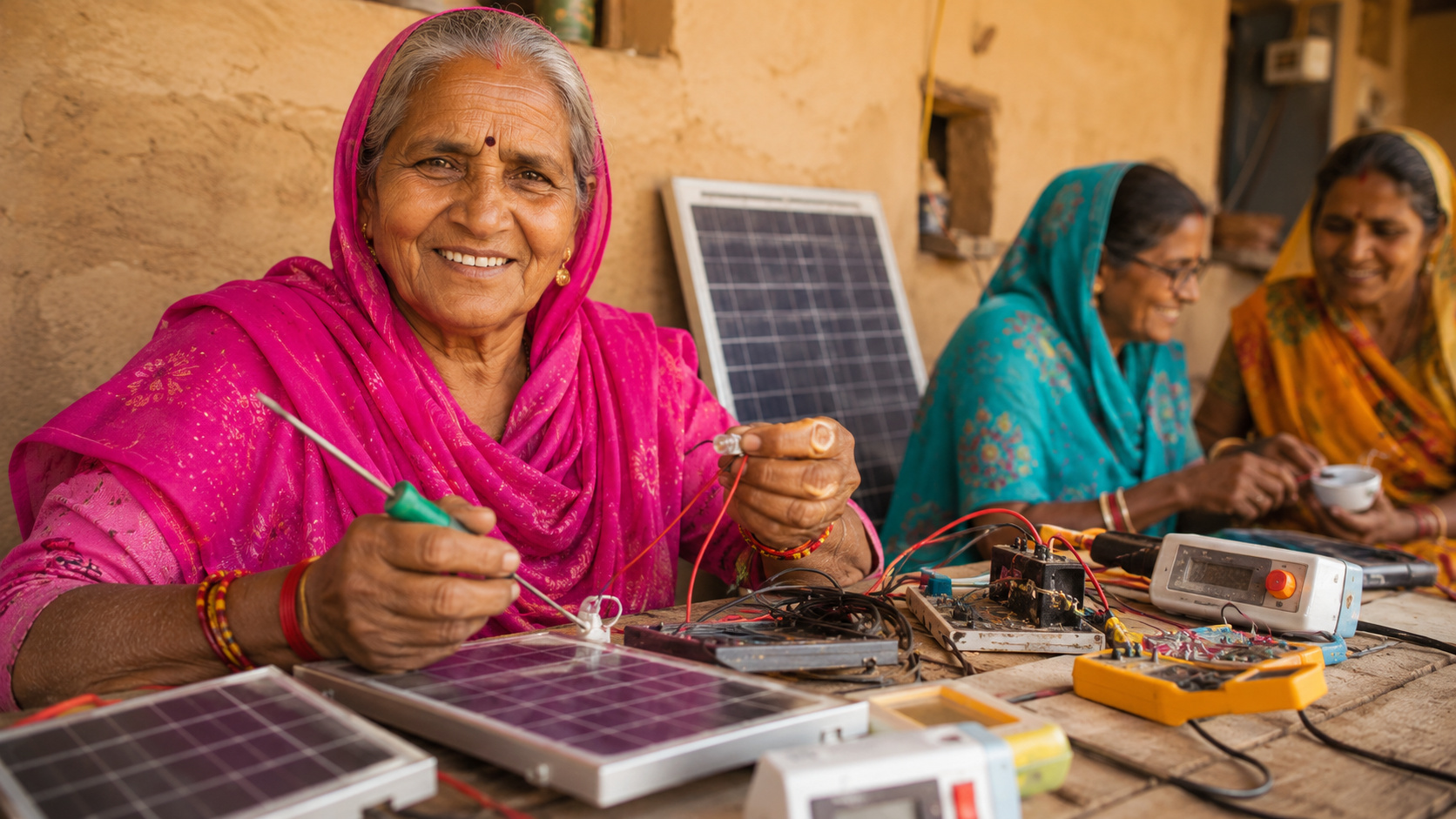
Illiterate or semi-literate grandmothers were trained to repair solar systems, open rural workshops, and light up homes that still depended on kerosene.
-
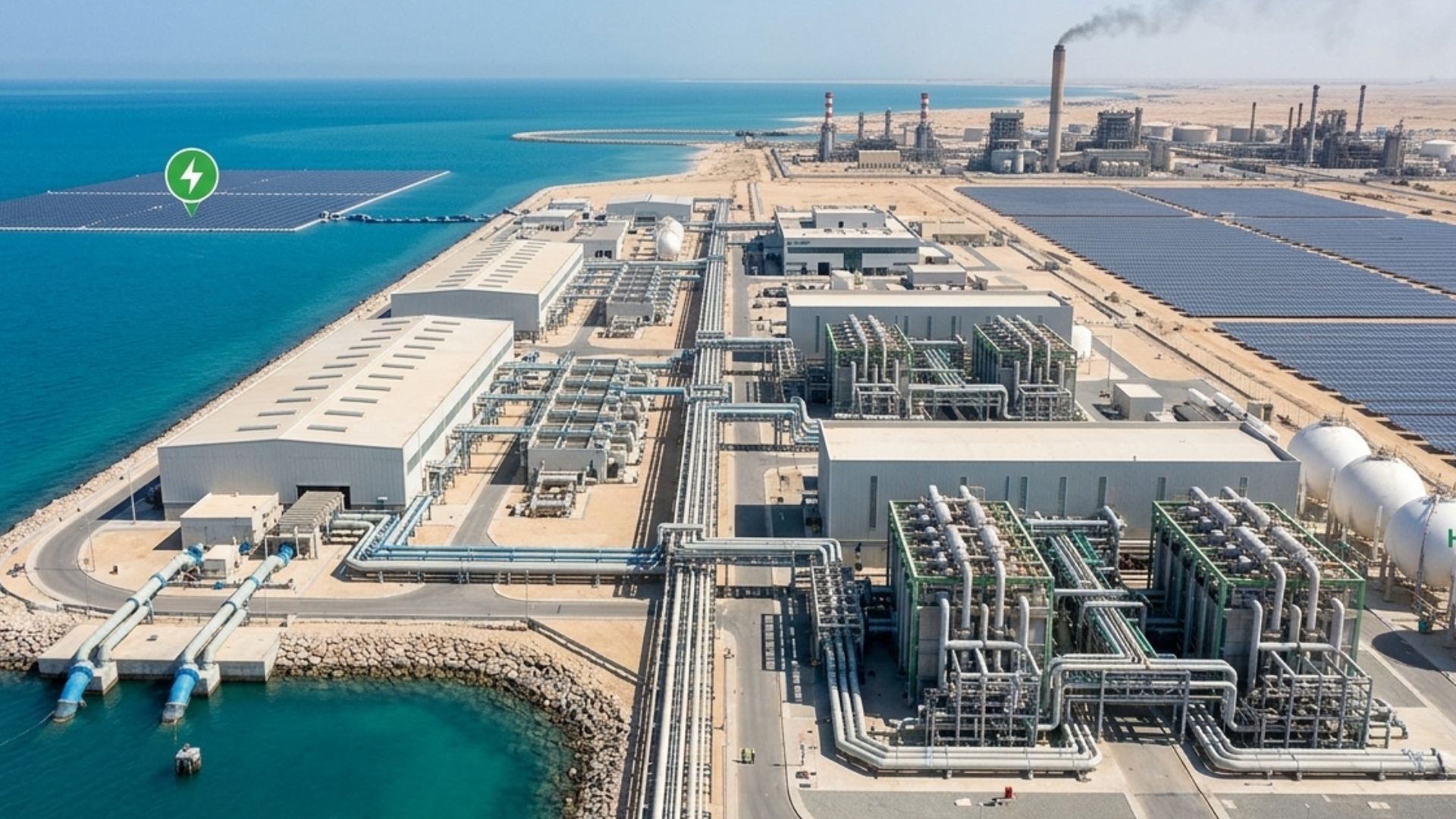
The world has bet on green hydrogen as the fuel of the future, but now faces the side effect: producing 1 kilogram requires about 9 liters of ultrapure water, and the largest projects on the planet are precisely in the driest regions of the Earth, where water is already scarce for people.


Among the key points, the report indicates that access to financing remains limited, there is still a lack of adequate infrastructure, and regulatory bottlenecks continue to hinder the expansion of climatechs. These factors combined prevent the country from consolidating a global leadership role in climate innovation — something that, according to experts, would be natural given the biodiversity and clean energy matrix that already distinguish it.
Moreover, only 0.8% of the US$ 92 billion allocated to climatechs in 2024 reached Latin America. Nevertheless, Brazil stands out: nearly 14% of national startups are linked to the green transition.
Strategic Sectors Are Growing, But Depend On Coordination And Broad Policies
The study identified areas of accelerated expansion, such as:
- sustainable agriculture
- forests and land use
- waste management
- clean energy
- low-carbon industry
- sanitation
However, although these markets are developing, the report warns that the lack of alignment between public policies, investments, and technological validation still prevents more robust evolution.
Therefore, mechanisms for integration and institutional cooperation are identified as key pieces for the maturation of the sector.
Proposed Solutions: From Hybrid Financing To Regulatory Sandboxes
To overcome the mapped bottlenecks, the document recommends concrete actions. Among them are:
- creation of hybrid financial instruments
- expansion of regulatory sandboxes
- green public procurement
- expansion of blended finance models
Such measures could reduce risks, attract private capital, and accelerate the adoption of solutions developed by Brazilian climatechs.
The report also highlights the strategic role of innovation hubs, academia, philanthropy, and media, which can strengthen the diffusion of knowledge and support the climate agenda in the country.
COP30 Highlights The Amazon As A Center Of Innovation And The New Green Economy
The launch of the report took place in a symbolic environment. Casa ComBio, on Ilha do Combú, was chosen to highlight the Amazon as a convergence point between technology, biodiversity, and sustainable development.
The meeting included technological demonstrations from Agrotools, networking sessions, and a cultural program that combined Amazonian cuisine and musical settings, reinforcing immersion in the territory.
According to the Brazilian Climatech Forum, these companies represent a vital cog in the green economy, capable of driving competitiveness, sustainable reindustrialization, and the generation of skilled jobs.




