






 Portuguese
  Spanish


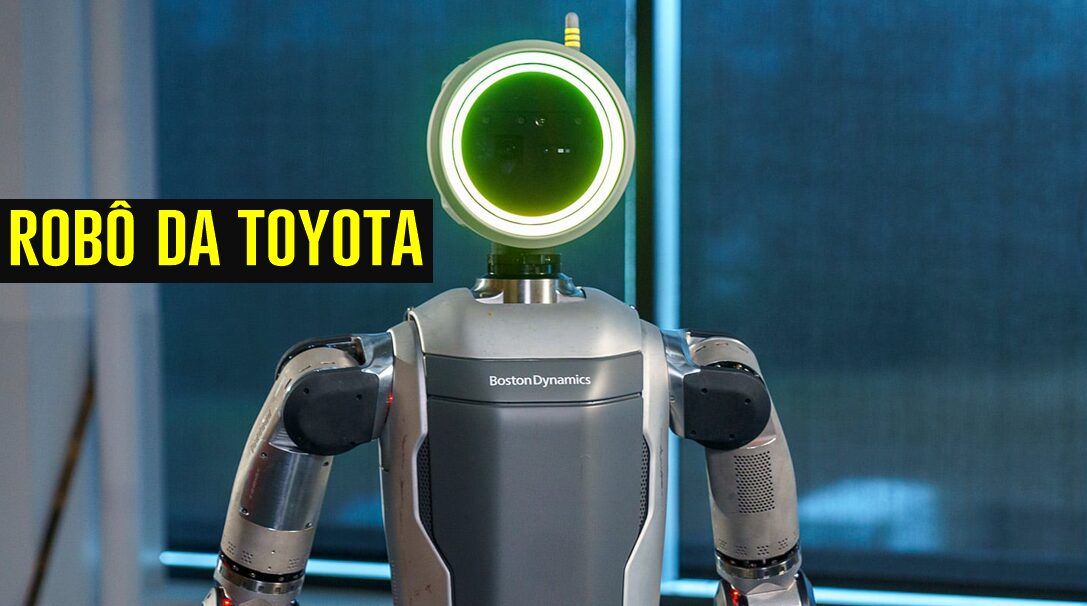

Toyota Research Is Making Advances in Robotics, with a New Strategic Partnership That Promises to Accelerate Technological Innovations
Boston Dynamics’s and the Toyota Research Institute (TRI) have announced an unprecedented partnership that promises to accelerate the development of general-purpose humanoid robots. This collaboration brings together two of the biggest names in artificial intelligence and robotics, with the goal of creating solutions that benefit human life through more agile, intelligent, and capable machines.
The union of Boston Dynamics’ expertise in advanced robotics, especially in developing the Atlas robot, and TRI’s advancements in Large Behavior Models (LBMs) offers a new horizon for general-purpose robotics.
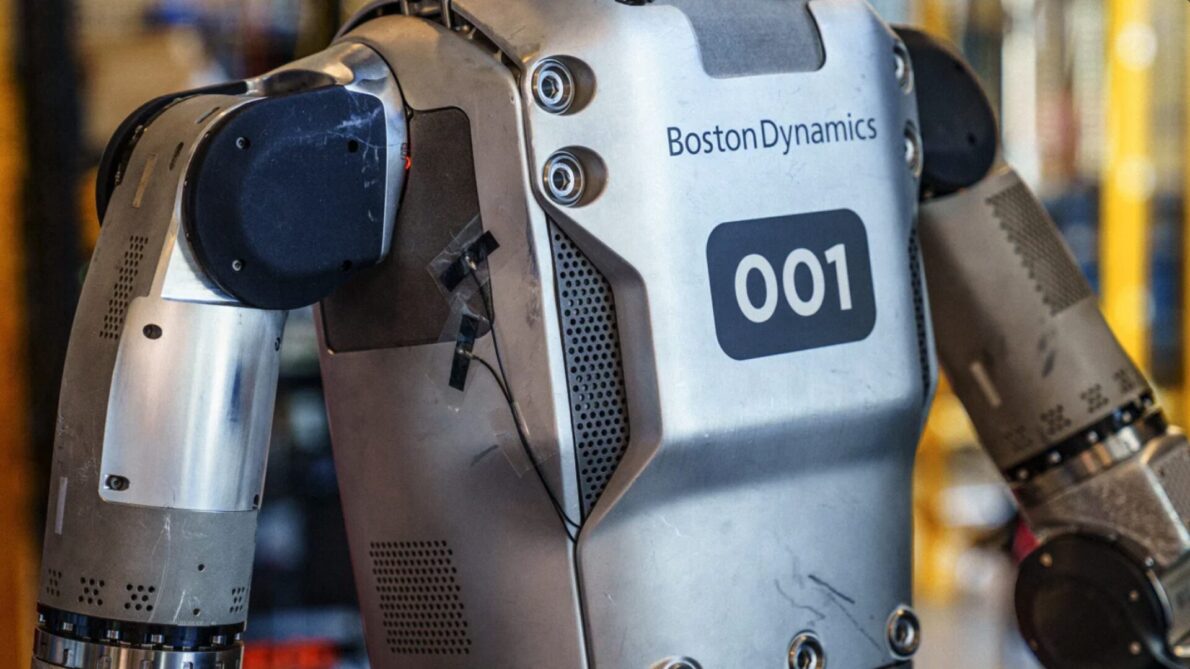
Atlas, already recognized for its impressive mobility and bimanual manipulation, will now be a key player in the development of more complex skills through advanced AI.
-
Women in São Paulo Unknowingly Tracked by Coin-Sized Tags Hidden in Cars and Belongings, Raising Stalking Concerns

-
Near a $750 million AI data center in Brazil, a resident’s well runs dry, leaving her unable to afford the $25,000 needed for repairs.

-
16-Year-Old from Brazil’s Sertão Wins Young Scientist Award for AI Predicting Rainfall with 94.5% Accuracy to Aid Farmers
-
Netherlands Reports First Child Euthanasia Case Since Rule Expansion for Minors


Partnership with Toyota Is a New Milestone for Robotics
“We are at an exciting time for robotics, and this partnership with TRI is a major step toward accelerating the evolution of humanoids,” stated Robert Playter, CEO of Boston Dynamics. Playter emphasizes that the union of both companies’ strengths will allow them to tackle complex challenges and create robots that are useful for solving real problems.
On the other hand, Gill Pratt, Chief Scientist at Toyota and CEO of TRI, highlighted the potential of artificial intelligence in advancing robotics. “With recent advancements in AI and machine learning, we are closer to achieving robots with physical intelligence and the ability to interact in human environments,” Pratt stated.
Atlas and Future Challenges for Toyota
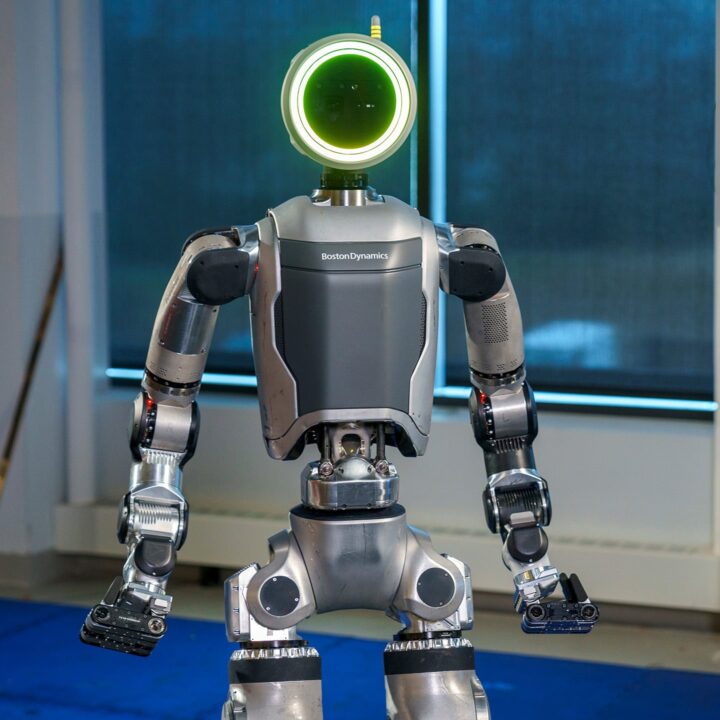
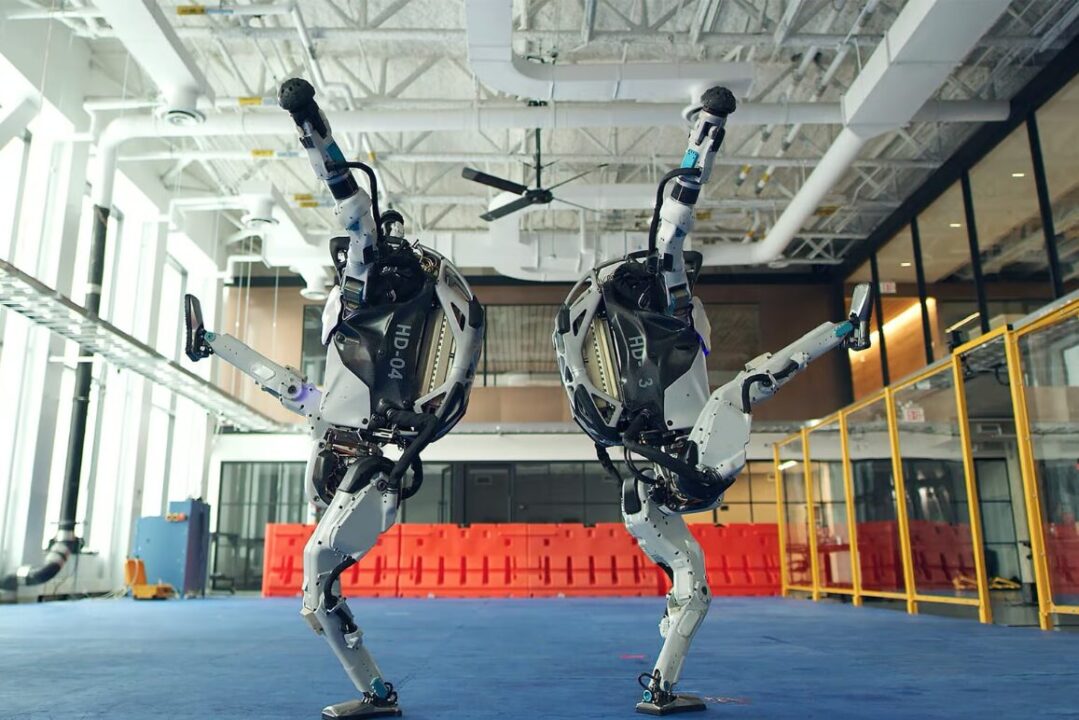
The Atlas robot from Boston Dynamics has already impressed the world with its movement and balance capabilities; however, the challenge now is to make it more useful in everyday tasks. By combining these physical capabilities with TRI’s advanced AI skills, the goal is to create robots that can perform complex tasks such as object manipulation and interaction with humans in various environments.
Boston Dynamics has stood out in creating robots with extreme mobility, capable of operating in challenging environments. The Atlas platform is the result of years of research and co-design between hardware and software, aiming to create the most capable robot both physically and in its programming interfaces.
Large Behavior Models and Advanced AI
TRI, in turn, is a world leader in the development of Large Behavior Models (LBMs), one of the most advanced AI systems focused on robotics.
The LBM technology is a multitask model that combines computer vision and language AI for precise and skillful robotic manipulation. This approach will enable robots to develop greater decision-making capabilities based on their environment, improving the interaction between humans and machines.
TRI’s pioneering work in diffusion policies and generative AI has already shown promising results in robotics. Now, with the integration of these technologies into Atlas, the expectation is for a significant evolution in how humanoid robots interact with the world.
Impact on Industries
Humanoid robots have a vast field of application, from industrial automation to assistance in domestic or healthcare tasks. The combination of Atlas’ physical capabilities and the intelligence of LBMs will allow the robot to perform a wide variety of tasks, facilitating activities ranging from logistics to caring for elderly people or those with special needs.
“We are working to create robots that really impact people’s lives positively,” explained Scott Kuindersma, Senior Director of Robotics Research at Boston Dynamics. “With Atlas, we want to go beyond simple mobility and create robots capable of performing useful and safe tasks.”
Challenges and Future of Robotics
However, despite the advancements, there are still significant challenges in making humanoid robots a reality in daily life. Safety in human interaction, the ability for continuous learning, and adaptation to new environments are some points that need improvement.
The partnership between Boston Dynamics and TRI will also focus on developing training techniques for humanoid robots, ensuring that they can operate safely and efficiently alongside humans. “Human-robot interaction is a critical area that needs more research, especially regarding safety,” said Russ Tedrake, Vice President of Robotics Research at TRI.
The Future Is Closer
With the unification of forces between Boston Dynamics and the Toyota Research Institute, the development of advanced humanoid robots is closer to becoming a reality. These machines have the potential to transform industries, optimize processes, and improve quality of life, while also bringing new ethical and safety challenges to light.
Now, it is up to society to keep up with the next steps and prepare for the impact these technologies will bring.
Want to know more about how robotics is changing the world? Stay tuned for updates and follow our upcoming articles!


