Portuguese
  Spanish


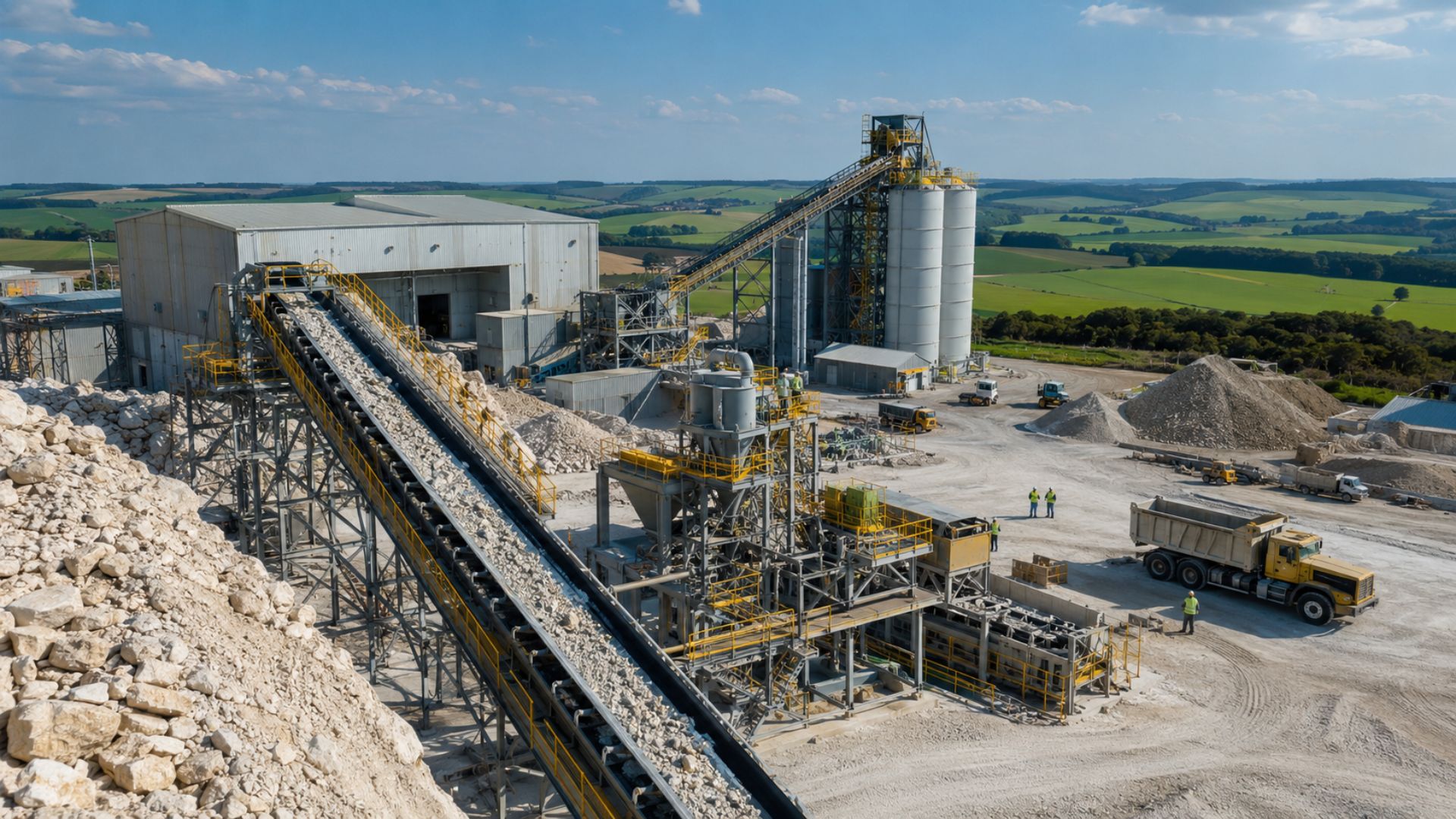

Águia Fertilizantes received the operating license from FEPAM to start the production of natural phosphate in the Três Estradas project, the first venture of its kind in Rio Grande do Sul. According to AgroMais, the Caçapava do Sul plant begins operations with a capacity of 150 thousand tons per year of phosphate fertilizers, aiming to produce 70 thousand tons by 2026 and to double the capacity by 2028 when a second factory starts operating in Lavras do Sul.
The Rio Grande do Sul has just taken the first step to produce its own phosphate fertilizers. The State Environmental Protection Foundation issued the operating license for the Fosfato Três Estradas project by Águia Fertilizantes, authorizing the extraction and processing of natural phosphate at the Lavras do Sul mine, in the Campanha Gaúcha region. The license was delivered last week by Vice-Governor Gabriel Souza in a ceremony at the Piratini Palace, marking the end of a regulatory journey that began with the first mineral research in 2011 and went through preliminary licenses, installation, and legal disputes with the Federal Public Ministry.
The importance of the venture is measured by the dependence that the state and the country have on imported fertilizers. Rio Grande do Sul currently imports 100% of the phosphate it uses in agriculture. In Brazil, the phosphate import rate reaches 59%, and considering all types of fertilizers, the country depends on foreign products for about 80% of its consumption. The crisis in the Strait of Hormuz, which has increased the cost of imported fertilizers in recent months, has made national production more urgent and economically attractive.
What is the Fosfato Três Estradas project

image: video
The Fosfato Três Estradas project is the result of over a decade of mineral research conducted by Águia Fertilizantes in the Pampa region of Rio Grande do Sul. The work began between 2011 and 2014, when researchers identified a phosphate deposit with geological resources estimated at 104 million tons of ore, with an average grade of 4% P2O5, phosphorus pentoxide, an essential compound for the manufacture of fertilizers.
-
Indian Inventor Develops Solar-Powered Machine Enabling Blind Farmers to Independently Manage Crops with Sensors and Audio Alerts

-
Brazilian Honey Supplying U.S. Supermarkets Faces Price Hike and Job Threats Amid New Tariff Round
-
Drought in France Threatens Beet Crops, Raising Fears of Sugar Price Surge Across Europe
-
French village switches from oil to giant miscanthus for heating, cutting annual costs from €20,000 to €4,300


The operation begins at the industrial plant in Caçapava do Sul, a city located about an hour from Lavras do Sul, where the ore will be processed and transformed into natural phosphate fertilizer for commercialization. The company’s goal is to produce approximately 70,000 tons in 2026, the first operational year, and reach full capacity of 150,000 tons annually in 2027. The factory’s inauguration and the start of sales are scheduled for early June.
The expansion to 300,000 tons and the second factory

Águia Fertilizantes does not intend to stop at the first plant. In 2027, the company will begin construction of a new industrial complex next to the Três Estradas mine in Lavras do Sul, with an expected investment of over R$ 80 million. The new factory will increase the combined fertilizer production capacity to 300,000 tons per year, a volume that would represent about 10% of the phosphate demand in Rio Grande do Sul.
The total accumulated investment since the start of the research has already exceeded R$ 230 million, including mine infrastructure, technical studies, environmental licensing, and adaptation of the Caçapava do Sul plant. The company also obtained financing of R$ 15 million from BRDE for the implementation of the extraction unit. Director Diego Boeira explained that the Caçapava plant was already ready and allowed for a quick start of operations while the definitive complex in Lavras do Sul is being built.
The zero-zero-zero environmental concept
One of the technical differentials of the project is the concept that Águia Fertilizantes calls 0-0-0: zero consumption of network water, zero external energy consumption, and zero greenhouse gas emissions in the operation. The plant will be powered by solar photovoltaic energy generated on-site, eliminating the need for connection to the electrical grid for the production process.
The environmental licensing followed a long and litigious path. The preliminary license was issued by FEPAM in 2019, the installation license came in 2022, but the works were stalled by a public civil action filed by the Federal Public Ministry. Federal Judge Aline Cristina Zimmer issued a favorable decision for the project in October 2024, requiring only complementary studies. The operating license, delivered now in May 2026, concludes the regulatory cycle and allows the start of fertilizer production.
Why Local Fertilizer Production Matters Now


The international situation has given the project an urgency that did not exist when the research began. The closure of the Strait of Hormuz, since the beginning of the war between the United States, Israel, and Iran, has interrupted maritime routes that carry not only oil but also phosphate and potash fertilizers from the Middle East. The prices of imported fertilizers have skyrocketed, and producers in Rio Grande do Sul have seen their input costs rise significantly.
Brazil depends on imports to supply 80% of the total demand for fertilizers — one of the highest rates among major agricultural producers in the world. National phosphate production is concentrated in Minas Gerais and Goiás, and Rio Grande do Sul, despite being one of the largest agricultural states in the country, has never had an operational phosphate mine. The entry of Águia Fertilizantes changes this scenario and creates a local alternative that can reduce logistical costs and decrease producers’ exposure to the volatility of the international fertilizer market.
What the Factory Means for the Campanha Economy
The Campanha Gaúcha region, where Lavras do Sul and Caçapava do Sul are located, is historically marked by extensive livestock farming and development indices below the state average. The arrival of an industrial enterprise of this scale has the potential to change the local economic dynamics. The construction phase generated more than 900 direct jobs, and the permanent operation is expected to maintain around 100 jobs.
The mayor of Lavras do Sul, Sávio Prestes, described the news as the most significant for the municipality in years. The production of natural phosphate fertilizers serves a consumer market that is literally around the mine: the soybean, rice, wheat, and corn fields of the state itself. The fact that the product is extracted, processed, and consumed within Rio Grande do Sul eliminates long-distance transportation costs and creates a 100% regional production chain.
Did you know that Rio Grande do Sul imported 100% of the phosphate it uses? Do you think local fertilizer production can really reduce costs for rural producers, or is the scale still too small to make a difference? Tell us in the comments.