Portuguese
  Spanish


The new agroindustry belongs to COOPAC, in the Che Guevara Settlement, in Casserengue, in the Paraibano Curimataú, and the project costs about R$ 3.75 million to reduce losses due to the seasonality of the Semi-arid. The cooperative grew from 30 to 390 members, but part of the money, R$ 1.1 million, is still being raised.
COOPAC, a cooperative linked to agrarian reform in Paraíba, is implementing the first goat milk powder agroindustry from family farming in the Northeast inaugurated in 2023. According to the cooperative, the project is budgeted at about R$ 3.75 million and aims to strengthen the goat milk chain and reduce the effects of drought and seasonality in the Semi-arid. The new factory is located in the Che Guevara Settlement, in Casserengue, in the Paraibano Curimataú.
According to the material released by COOPAC on June 2, the idea is to expand industrialization capacity, add value to local production, and open more space in institutional and private markets. The cooperative, which currently brings together about 390 producing families, also launched a R$ 1.1 million fundraising through the Finapop platform to complete the project’s resources. Therefore, part of the investment is still being raised.
The new goat milk powder agroindustry
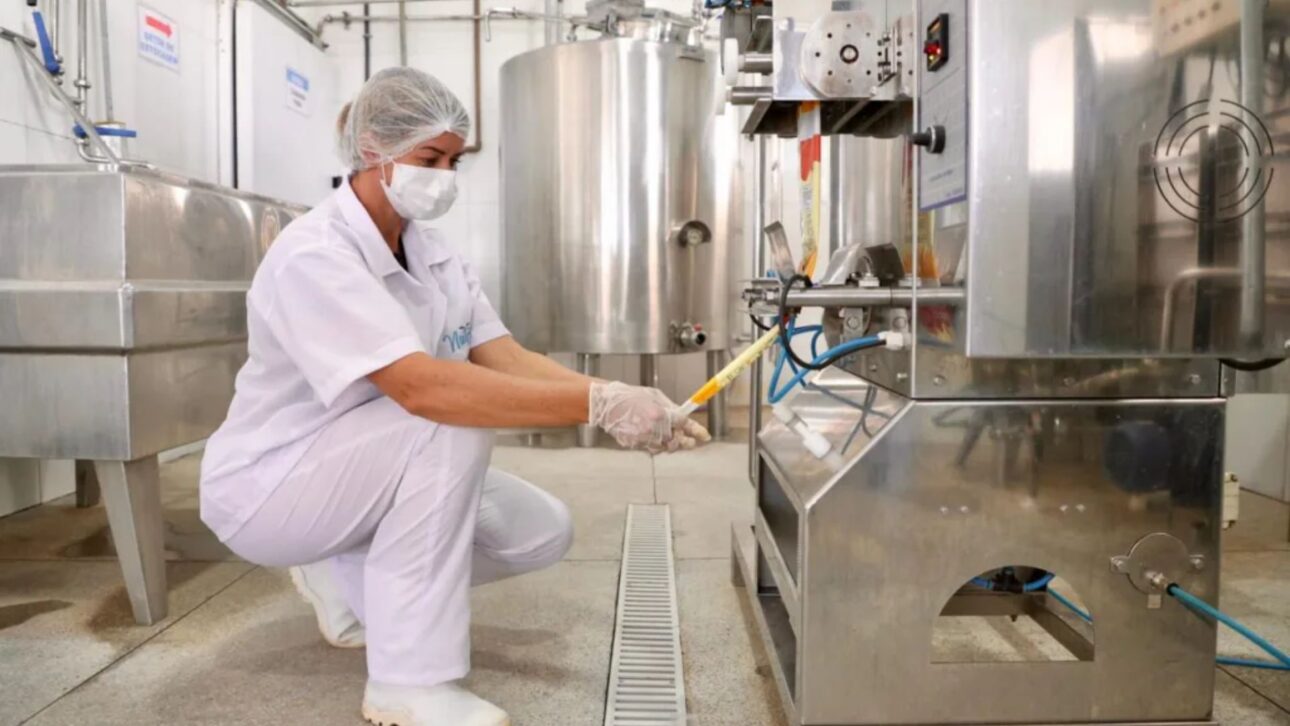
The core of the project is the construction of the first goat milk powder agroindustry from family farming in the Northeast. According to COOPAC, the initiative foresees an estimated investment of R$ 3.75 million and seeks to expand industrialization, add value to production, and reduce the impacts of the seasonality of dairy activity in the Semi-arid. The cooperative’s expectation is to strengthen the goat milk chain and expand market access.
-
In Brazil’s Arid Northeast, Vineyards Now Produce Wine Grapes Year-Round, Accounting for 98% of the Country’s Grape Exports

-
China Limits Brazilian Meat Imports After Returning 20 Soybean Ships, Causing Factory Shutdowns and Concerns in Brazil’s Meat Industry

-
Brazilian Producer Adopts Hydroponic Strawberry Farming in Western Paraná, Achieving Year-Round Harvests and Becoming a Model for Continuous Production

-
Facing a housing shortage, Hong Kong uses prefabricated concrete modules to construct a 12-story public building with the help of massive cranes and trucks.



To gather the resources, the cooperative resorted to popular fundraising. According to the material, COOPAC launched a R$ 1.1 million operation through Finapop, a sustainable investment platform that connects investors to family farming cooperatives and agrarian reform settlements. The contributions are aimed at complementing the money necessary for the agroindustry to come to fruition.
From 30 Members to a Cooperative with 390 Producers
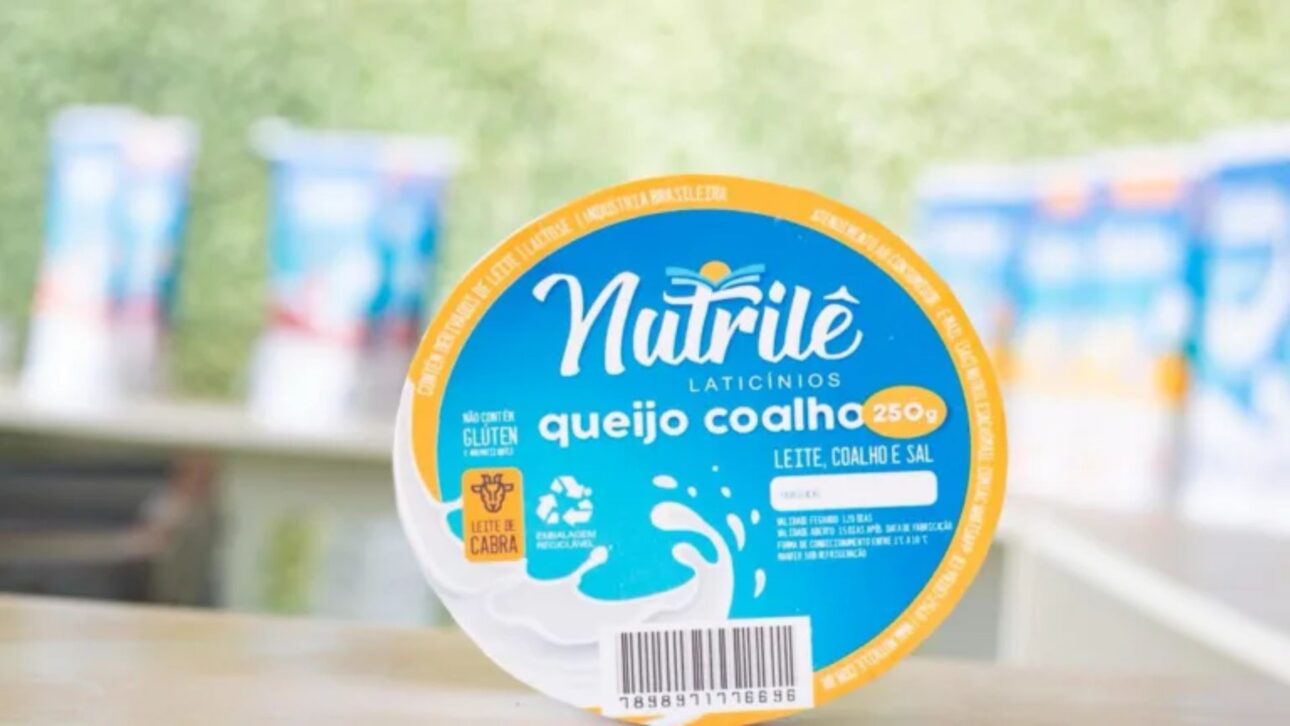
The journey of COOPAC helps to understand the magnitude of the leap. According to the material, the collective process began in 2019 and was formalized in 2021, and today the cooperative brings together about 390 family farming producers, with milk, cheeses, yogurts, and other goat derivatives. The leader Augusto Belarmino summarized the change: “We went from 30 cooperative members to 390 goat milk producer members.”
This story is linked to the families of the Che Guevara Settlement. According to the report from Brasil de Fato, in June 2023, Nutrilê was inaugurated, presented as the first dairy agroindustry of the Landless Workers’ Movement in Paraíba, the result of years of productive organization and access to public policies. It was from this base that the cooperative reached the current project.
Awards and Production Reaching School Meals
The growth of the agroindustry was accompanied by recognition for the quality of the products. According to the material, in 2024 Nutrilê won a gold medal with seasoned coalho cheese, silver with passion fruit goat yogurt, and bronze with traditional coalho cheese at the XVIII Northeastern Meeting of the Dairy Sector. The awards helped to give visibility to the cooperative’s work.
The production also has a strong connection with public food programs. According to Belarmino, the cooperative collects milk from producers in more than 14 municipalities, directly serves more than 8, and delivers goat milk yogurt for school meals in more than 20 municipalities, through the PAA and PNAE programs. Thus, part of what is produced supplies school meals and circulates income in the Curimataú and Agreste regions of Paraíba.
Powdered Milk Against Drought, and What Still Depends on Resources
The choice for powdered milk is directly related to the Semi-arid climate. According to Belarmino, the new structure responds to an old demand and should increase storage capacity, reducing losses from seasonality and adding value to Paraíba’s milk, in a project he describes as the dream of more than 1,800 producers in the state.
The expansion gained prominence at the first Expocasserengue, in September 2025, at the Che Guevara Settlement, when, according to Brasil de Fato, investments in equipment, solar energy, and logistics were announced, and the agroindustry began to directly benefit more than 1,200 families.
Even so, it is a project in implementation, which depends on resources to be realized. Part of the total amount, the R$ 1.1 million raised by Finapop, is still being gathered, and the projected benefits depend on the completion of the work and the conditions of the Semi-arid region.
To gauge the importance of the activity, data from Embrapa Goats and Sheep indicate that about 90% of Brazil’s goat herd is in the Northeast, with Paraíba among the main references in goat milk production.
The history of COOPAC, which went from 30 members to about 390 families, now bets on the first goat milk powder agroindustry of family farming in the Northeast to face drought and the seasonality of the Semi-arid region.
The project, budgeted at R$ 3.75 million, still depends on fundraising to be realized, but it summarizes a strategy to add value to goat milk and provide more stability to rural families. The result will depend on the progress of the work and the production achieving the promised scale.
And you, do you think initiatives like this family farming agroindustry can help keep families in the Semi-arid countryside? Share your opinion and exchange ideas with other readers about the future of goat milk production in the Northeast.