Portuguese
  Spanish


Food inflation remains one of the main concerns for Brazilian families. Even when other economic indicators show a slowdown, the increase in the price of basic products continues to directly impact the household budget, especially among the lower-income population.
In recent months, essential food items have recorded new highs, reducing purchasing power and requiring changes in consumption habits. This scenario shows that inflation goes beyond general economic indices: it directly affects the Brazilian table and influences consumption decisions, financial planning, and quality of life.
According to a report published by the ND Mais portal, four basic food items recorded significant price increases, reinforcing the pressure on the cost of living. This movement follows a trend observed in official indicators released by the Brazilian Institute of Geography and Statistics (IBGE).
What is food inflation
Food inflation represents the continuous increase in the prices of food products over time. It is part of the general inflation of the economy but tends to have a greater impact on family budgets because it involves items consumed daily.
-
Discover Treze Tílias: How a Former European Minister Brought a Touch of Austria to Southern Brazil

-
6.03-Carat Diamond Discovered Live on TikTok by Jack Pearadin and Michael Schumacher at Arkansas Diamond Park, Fourth Largest Since 1972

-
Man Digging in Kentucky Cornfield Uncovers Over 800 Civil War-Era Coins, Including 700 Gold Pieces Worth Millions
-
Viral Video of Giant Gold Nugget in Brazil’s Oiapoque Revealed as Painted Rock by French Guiana Miner




According to the IBGE, the Broad Consumer Price Index (IPCA) measures the variation in prices of a basket of products and services consumed by Brazilian families. Among the groups surveyed is Food and Beverages, one of the most influential in the perception of the cost of living.
Moreover, as food represents a significant portion of family expenses, especially for lower-income families, any increase is usually quickly noticed by the population.
Why food continues to become more expensive
Several factors explain the rise in food inflation.
Firstly, climatic issues can reduce the supply of certain agricultural products. Periods of drought, excessive rain, or frost directly affect production and cause price increases.
Additionally, costs related to transportation, fertilizers, fuels, and electricity also influence the final price of food.
According to the IBGE, factors such as the lower supply of some agricultural products and increased freight costs help explain the pressure observed on food prices at different times.
At the same time, international market fluctuations also impact exported products or those dependent on imported inputs.
Which foods recorded the highest increases
According to the ND Mais report, some basic products have once again shown price increases, putting pressure on family budgets.
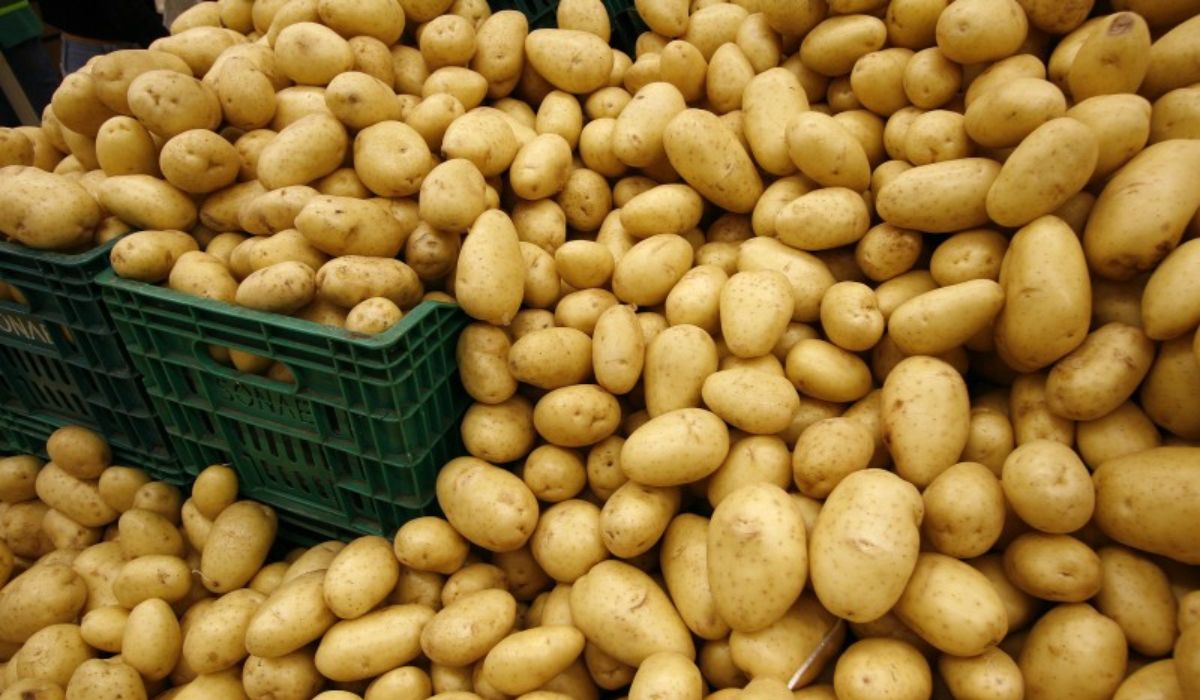
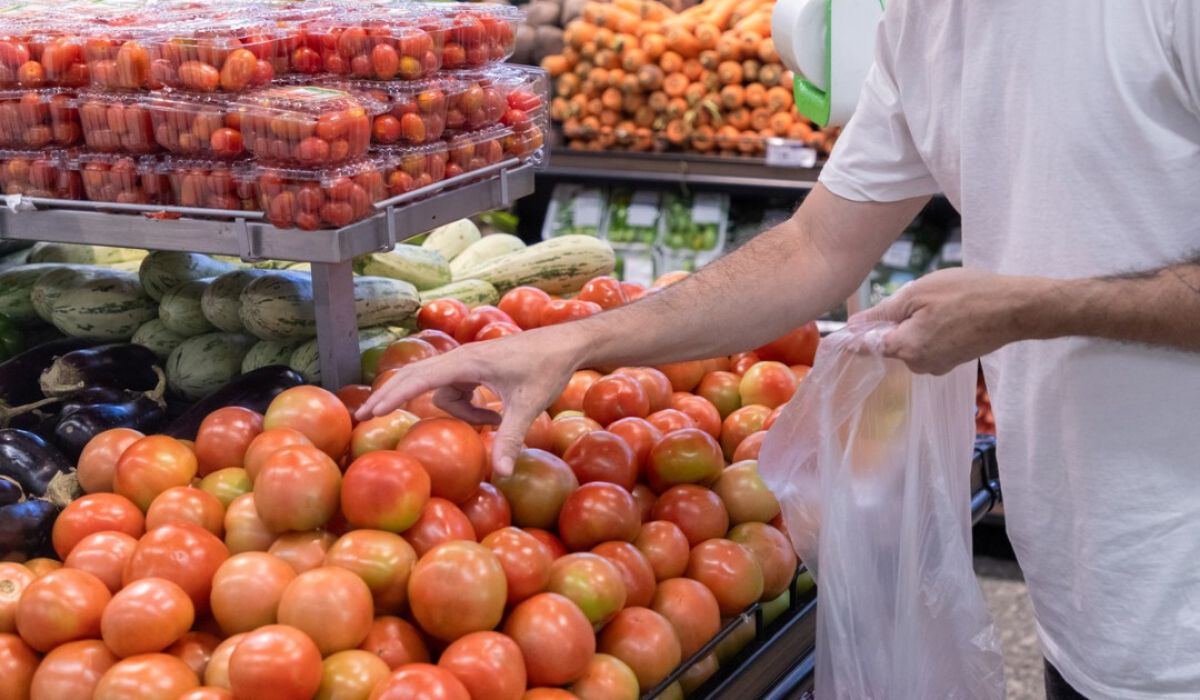
The most recent data from the IBGE shows that items such as potatoes, tomatoes, onions, and meats were among the products with the highest price variation in recent IPCA surveys.
These foods are part of the dietary routine of most Brazilians. Therefore, successive increases end up reducing purchasing power and requiring adjustments in supermarket shopping.
Moreover, many of these products have low substitution possibilities, making the impact even more significant.
How food inflation affects families
The constant increase in prices changes consumer behavior.
First of all, many families start replacing products with cheaper options or reduce the quantity purchased.
Additionally, there is an increase in the search for promotions, bulk buying, and more rigorous planning of household expenses.
According to the IBGE, the Food and Beverage group frequently figures among those that most contribute to the IPCA result precisely because it represents an important portion of Brazilian families’ budgets.
For lower-income families, this impact tends to be even greater, as food expenses represent a higher proportion of the monthly income.
The impact on the Brazilian economy
Food inflation also influences various sectors of the economy.
When prices rise persistently, consumption tends to slow down, affecting supermarkets, restaurants, and other food-related segments.
Additionally, high inflation can influence monetary policy decisions, such as adjustments to the basic interest rate.
According to IBGE, the behavior of food prices has a significant influence on the official inflation index used by the federal government as an economic reference.
Why some food prices vary so much
Not all products exhibit the same behavior.
Fresh foods, such as fruits, vegetables, and greens, tend to experience greater fluctuations because they depend directly on weather conditions and agricultural harvests.
Additionally, factors such as logistics, storage, and transportation directly influence the prices of these products.
Meats, milk, and derivatives can also experience increases due to production costs, animal feed, and the international market.
For this reason, food inflation has its own characteristics and does not always follow the behavior of other sectors of the economy.
How to reduce the impact of rising food prices
Although consumers cannot control prices, some strategies help minimize the effects of inflation.
Planning purchases, comparing prices between establishments, and prioritizing seasonal foods usually generate savings.
Additionally, avoiding waste and better organizing domestic consumption contribute to reducing expenses.
Another alternative involves keeping an eye on promotions and temporarily substituting products that show very high increases.
These measures do not eliminate inflation, but they help preserve the family budget.
The role of agricultural production
The performance of Brazilian agriculture directly influences the behavior of food inflation.
Good harvests increase the supply of products and tend to contribute to greater price stability.
On the other hand, extreme weather events can reduce production and cause significant increases.
Additionally, international factors, such as conflicts, exchange rate variations, and fertilizer costs, also impact the production chain.
In this context, agricultural production continues to be one of the main elements for balancing food prices.
What to expect for the coming months
The prospects for food inflation depend on various factors.
Among them are weather behavior, crop developments, logistical costs, and the national and international economic scenario.
According to the most recent official data from IBGE, the Food and Beverages group continues to exert a strong influence on the IPCA, demonstrating that food remains among the main contributors to inflationary pressure.
If there is an improvement in production conditions and an increase in supply, some products may show stabilization or even price reductions. However, new fluctuations are still possible.
Food inflation continues to be one of the main economic challenges
The evolution of food inflation demonstrates how climatic, economic, and logistical factors directly influence the cost of living for the population.
More than an economic indicator, the rise in food prices affects consumption habits, financial planning, and food security for millions of Brazilians.
At the same time, monitoring the official data released by IBGE and understanding the factors influencing prices helps consumers, companies, and public managers make more informed decisions.
Therefore, understanding the behavior of food inflation remains essential to interpreting the challenges of the Brazilian economy and its impacts on the daily lives of families.