Portuguese
  Spanish


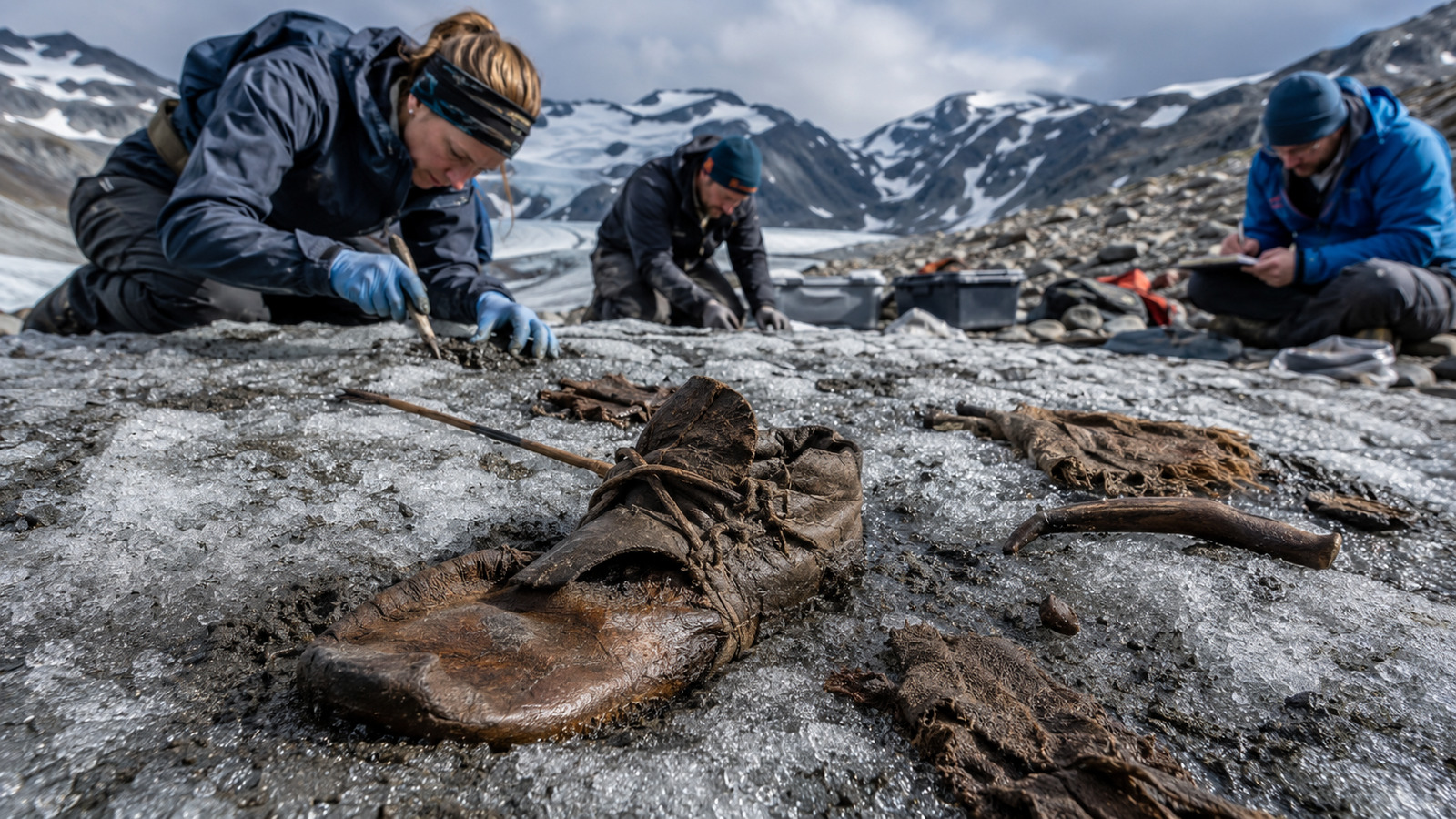

Discovery made in the Norwegian mountains boosted annual searches during the thaw, revealing clothing, hunting tools, wooden skis, fabrics, and other objects preserved for centuries or millennia in ice sheets
A 3,400-year-old leather shoe, found in 2006 in the mountains of Norway, helped to boost a broad glacial archaeology program. Since then, researchers have recovered approximately 4,500 artifacts, including clothing, hunting tools, and travel equipment preserved for centuries or millennia under the ice.


3,400-year-old leather shoe initiated the searches
The footwear was located by Norwegian mountaineer Reidar Marstein as it emerged from the melting ice. Given the object’s state of preservation, he carefully packed it and contacted a local archaeologist.
The discovery contributed to the development of the Secrets of the Ice project, which became one of the world’s leading glacial archaeology programs. Teams began investigating mountainous areas during the thawing seasons.
-
Nigerian Student Builds 12-Meter Helicopter from Salvaged Parts, Including Boeing 747, in Backyard Without Engineering Degree

-
Digital Transformation Essential in Energy, Oil, and Gas Industries, But IT Infrastructure Often Overlooked
-
Brazilian Students Repurpose Clay Tea Cups to Create Cooler That Lowers Room Temperature by Up to 10°C Without Air Conditioning or Fans
-
353-Year-Old Mystery Deepens as Archaeologist Arrested with Teeth and Bone Fragment Possibly Linked to d’Artagnan, the Real Musketeer Behind Alexandre Dumas’ Inspiration





The recovered objects provide information about people who traveled, hunted, and worked in the region thousands of years ago. Many fragile materials would hardly have survived outside the conditions provided by the ice.

Credit: Secrets of the Ice/Facebook
Ice artifacts include skis, arrow, and clothing
Among the approximately 4,500 ice artifacts are fabrics, clothing items, hunting equipment, and objects lost on ancient travel routes.
Some have a familiar appearance, while others have features suitable for museum exhibitions.
The researchers also found what was described by Smithsonian magazine as the oldest intact pair of wooden skis in the world.
Another highlight is a 3,000-year-old arrow associated with a Bronze Age reindeer hunter.
Wood, leather, and textiles were protected because the ice acted as a natural freezer. This environment prevented or slowed the deterioration that would normally destroy organic materials over time.
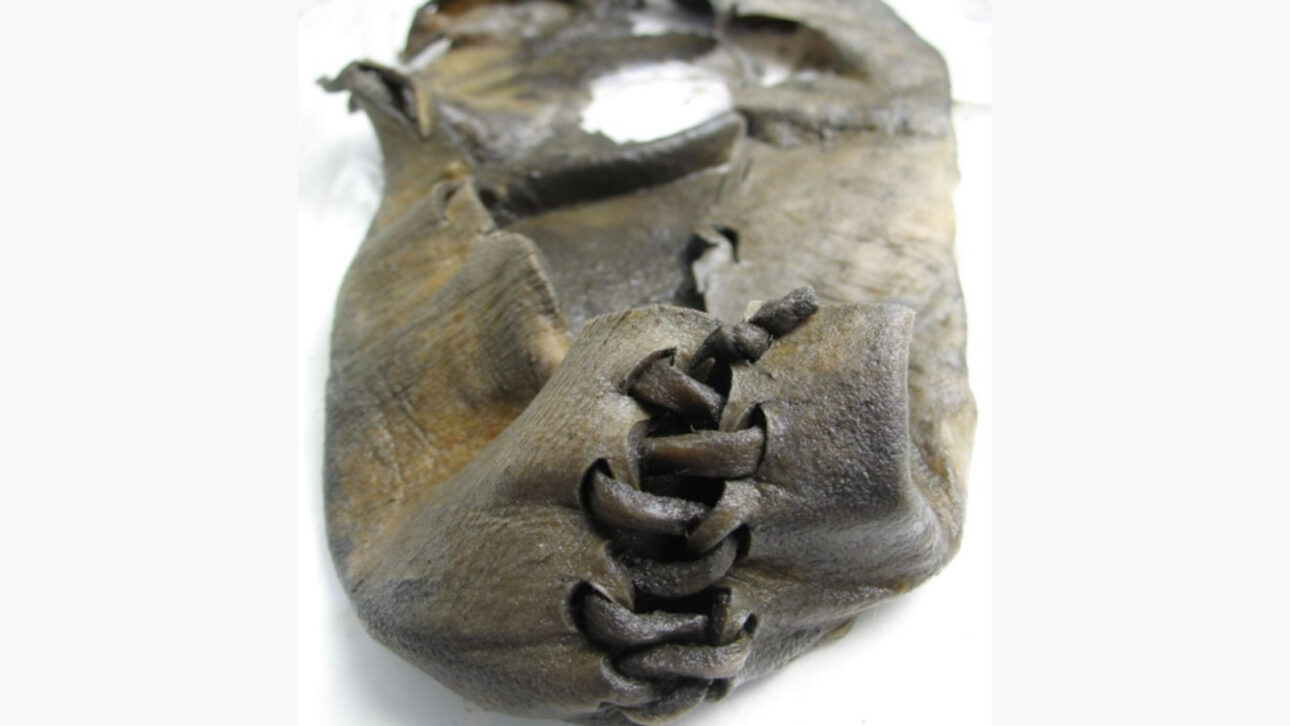
Thaw opens a short window for rescue
When objects leave the ice, however, preservation ends. Sunlight, rain, wind, and microbes can quickly damage pieces that have remained intact for thousands of years.
Therefore, archaeologists scour the mountains each thaw season in search of newly exposed items.
The work needs to be done before the materials deteriorate or disappear into the terrain.
Stationary ice patches often preserve artifacts better than glaciers, which move and can crush or damage objects. Rising temperatures have made this search more urgent.
Archaeologist William Taylor, from the University of Colorado’s Museum of Natural History, stated that many chapters of human history remain stored in this rare and rapidly melting ice. He fears that part of this heritage may disappear within a few years.
This article was prepared based on information from Smithsonian and The Weather Channel magazines, with data, numbers, and statements preserved as per the consulted material.