Portuguese
  Spanish


The United Kingdom Has Begun Testing Robot Dogs Designed To Make Last Mile Deliveries Directly To Consumers’ Doors. With Autonomous Mobility And The Capacity To Navigate In Urban Environments, The Devices Promise To Streamline The Logistical Process, Reduce Operational Costs And Clear The Way For A New Era In Order Distribution
The Swiss company RIVR has partnered with the British firm Evri to launch autonomous robots focused on package delivery.
The goal is to make the so-called “last mile” faster, more efficient, and smarter. The project has already begun testing in Barnsley, in the South Yorkshire region of England. The collaboration marks the arrival of RIVR’s legged and wheeled robots in the streets.
They will be integrated into Evri’s operations, one of the UK’s leading logistics companies. The focus is on last-minute package delivery, meaning those shipments that need to be completed as quickly as possible, especially in urban areas.
-
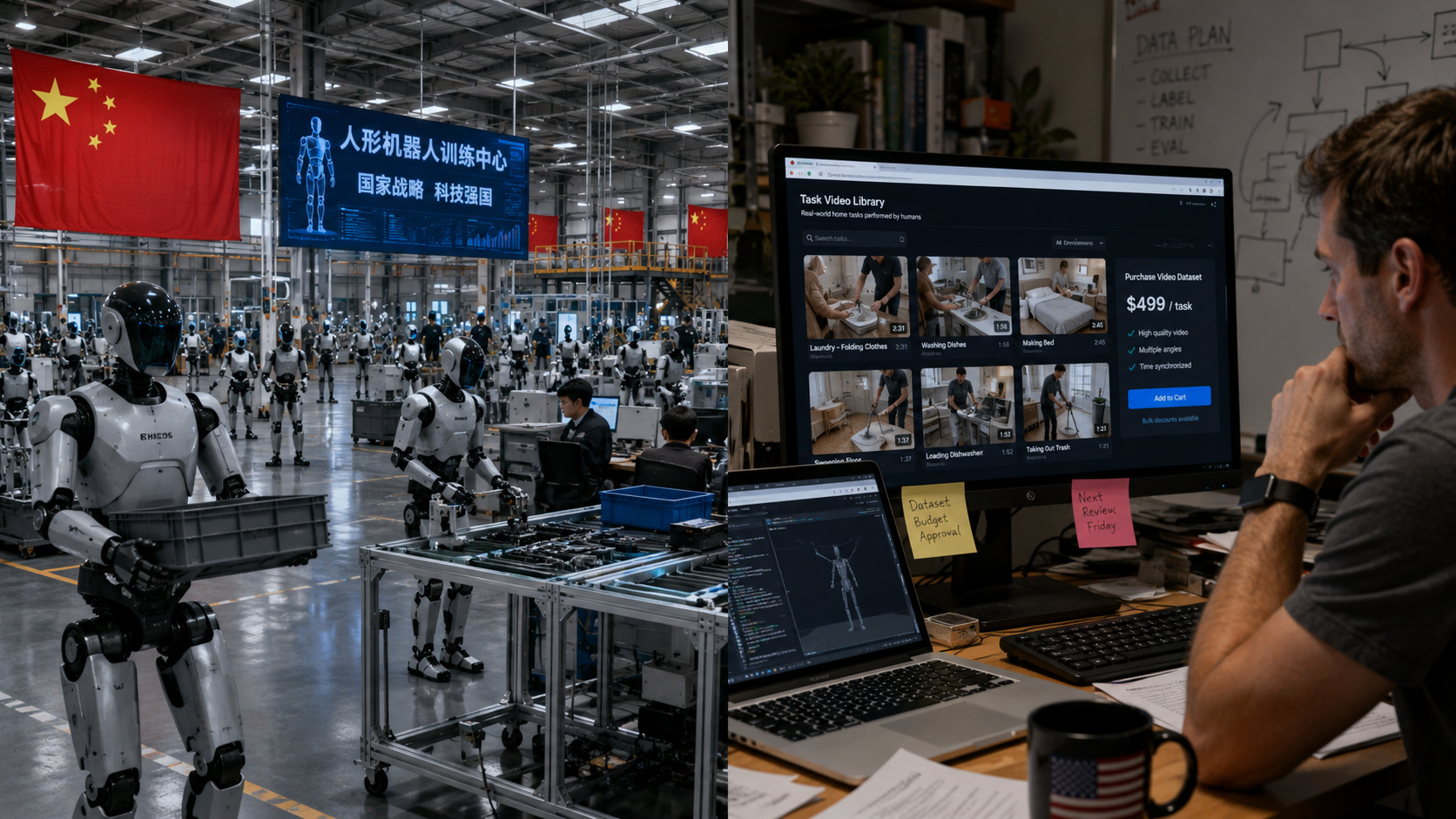
China Establishes State Centers to Train Humanoid Robots, While the West Lags Behind with Makeshift Solutions

-
The Trap of Modern Technology: How Screen Overload and Digital Connections Can Impact Your Mental Health and Well-being
-
Wyoming Couple Grows Tropical Fruits Year-Round in -40°C Using Geothermal Greenhouse, Demonstrating Earth’s Heat Can Produce Oranges and Lemons in Snow Without Traditional Heating

-
Ship Returns from Brazilian Coast with Thirty Newly Discovered Life Forms


Robots For The Last Meters
RIVR, formerly known as Swiss-Mile, is a spin-off from ETH Zurich, one of Switzerland’s leading technology institutions.
The company has developed robots with legs and wheels, combining both functions into a single body using artificial neural networks. The aim is to solve one of the biggest challenges in logistics: the last meters to the recipient’s door.
For RIVR, the optimization of delivery shouldn’t stop at the depot. The most critical part of the process is at the end of the route, when the delivery person needs to walk short distances, climb stairs, or cross obstacles.
The robot was created specifically to handle this segment. It connects to the current logistics network with minimal structural changes.
Additionally, RIVR collaborates with companies at different levels of the logistics chain—whether first, second, or third-party—offering scalable and autonomous delivery. With Evri, the robot will directly assist the drivers who are already transporting packages.
Less Effort, More Speed
The delivery robots are designed to assist human drivers. Instead of making multiple short walks, workers will rely on the machines for support. This should reduce physical effort, increase agility, and even improve the well-being of professionals.
With lighter tasks, drivers will also be able to spend more time planning routes and engaging with customers. The idea is to make the service more efficient and more human at the same time. The final delivery, made by the machine, will be more accurate and faster.
According to Evri, RIVR’s technology offers an economical, scalable, and “driver-friendly” solution. The company hopes that the delivery robots will improve not only the speed of delivery but also the experience of those sending and receiving packages.
Technology In Practice
The technology behind the delivery robots combines several cutting-edge tools. RIVR’s system uses an approach called “general physical AI.” This refers to an artificial intelligence model trained to navigate urban environments and interact with people.
The learning process is divided into two stages. First, the robot undergoes simulations using GPUs, learning through trial and error. Then, this knowledge is adjusted with real data collected through remote control. The result is a system that evolves with each delivery made.
Each robot that hits the streets contributes to the overall improvement of the network. The collected data feeds the system, which becomes more accurate over time. It’s a continuous process, where the machine learns through practice and improves with each new route.
A Complete Robot
The model used in the project is the RIVR ONE. It was developed from the ANYmal, a robot created by ETH Zurich. Its main feature is the ability to switch between wheels and legs, ensuring flexibility to tackle uneven terrain, stairs, and curbs.
The robot also includes cameras, LiDAR sensors, robotic arms, and a secure delivery box. All of this is connected to a cloud infrastructure that provides 24/7 remote support.
The system also performs constant updates and allows the robot to integrate with different logistics platforms.
New Pathways For Urban Delivery
RIVR’s proposal is to transform package delivery in cities. With less need for human intervention and more autonomy, the fleet of robots can be expanded according to demand.
Each activity performed by a robot contributes to advancing the technology. The idea is that, in the future, mobile and intelligent robots will be part of everyday life in urban areas.
According to the company, the use of physical AI applied to logistics can open a new era for the sector. Last mile delivery, considered one of the most complex stages of the chain, can become simpler, faster, and more efficient with the support of machines.
With information from Interesting Engineering.