Portuguese
  Spanish


Anthony Ondo turned beekeeping into a source of income, maintains an apiary in western Pennsylvania, harvests honey twice a year, and finances part of his tuition with sales in cafes and small local businesses
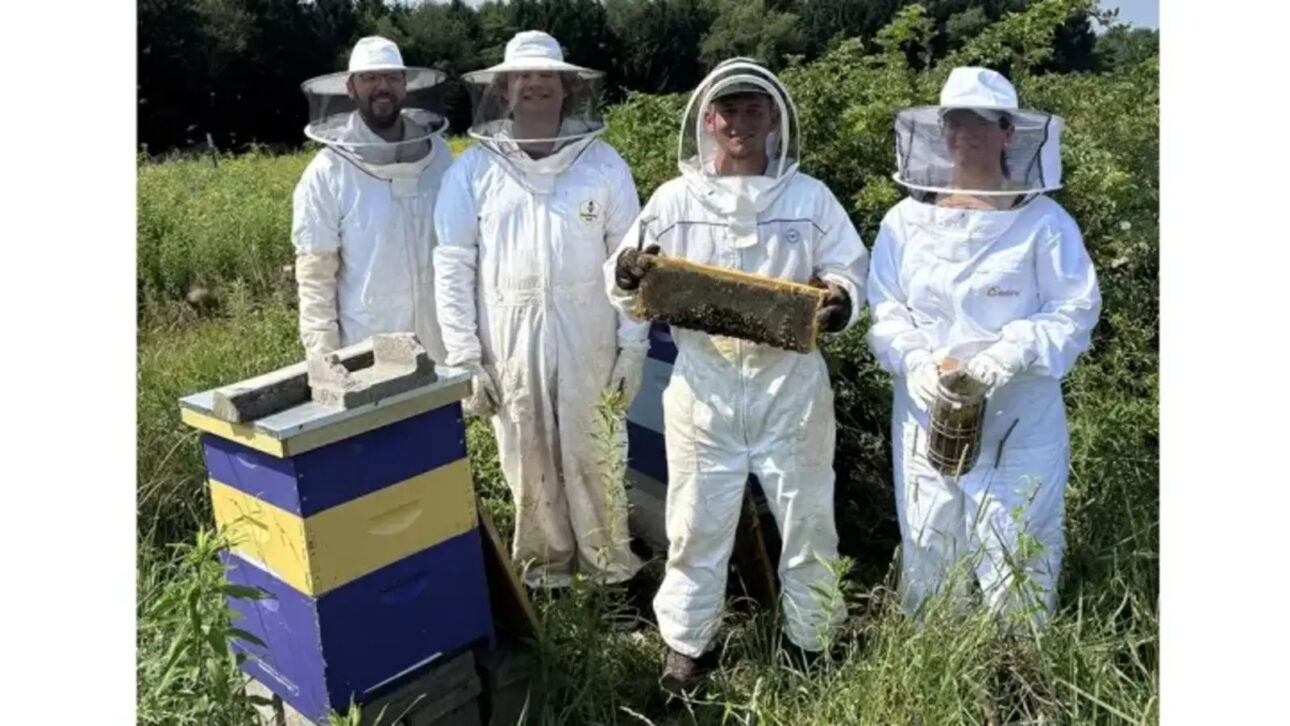
At 23 years old, Anthony Ondo found in beekeeping a way to finance his studies in sustainable business at Chatham University. The student manages 50 hives in western Pennsylvania, harvests honey twice a year, and uses the sales profits to cover most of his tuition fees.
Beekeeping began after helping with a harvest
Ondo’s contact with bees began the summer after graduating high school. A friend’s grandfather maintained an apiary and needed help during the honey extraction.
Even after being stung in the first 15 minutes of the activity, Ondo decided to continue. After that first experience, he started managing some hives on his own and turned the interest into a source of income.
-
10-Year-Old Boy Persists After Being Told He’s Too Young, Now Helps Manage Brazilian Farm and Launches New Project

-
Chinese Farmers Develop “Blanket Greenhouses” to Grow Vegetables in Extreme Winter Without Heaters

-
Centuries Before Modern Greenhouses, English Gardeners Used Horse Manure to Grow Pineapples in Cold Climates

-
Sugarcane Cultivation in India: A Symbol of Water Stress and Environmental Strain Amidst Global Demand for Sugar and Green Fuel




The business was officially launched in 2024. According to the student, the company has been profitable from the start and became compatible with his university routine, as it does not require daily presence during business hours.
Ondo stated that he received some scholarship opportunities and took out a small federal loan. However, the rest of the tuition is paid with the resources obtained from honey sales.
Apiary of 50 hives required area expansion
To increase production, Ondo needed to find land where he could install new hives. The strategy adopted was to visit properties bringing bottles of honey and personally present his proposal to the owners.
During the conversations, he quickly explains how the partnership works and offers the product for tasting. In exchange for space in the yards, the owners usually receive a few bottles of honey.
The expansion also occurred through partnerships, including a collaboration with Dillner Family Farms, located in the city of Gibsonia. The production is marketed in cafes and small establishments in the region.
With the growth in the number of beehives, Ondo began to accumulate thousands of kilos of honey for distribution. He claims to carefully select the points of sale and explain to merchants the importance of the local product.
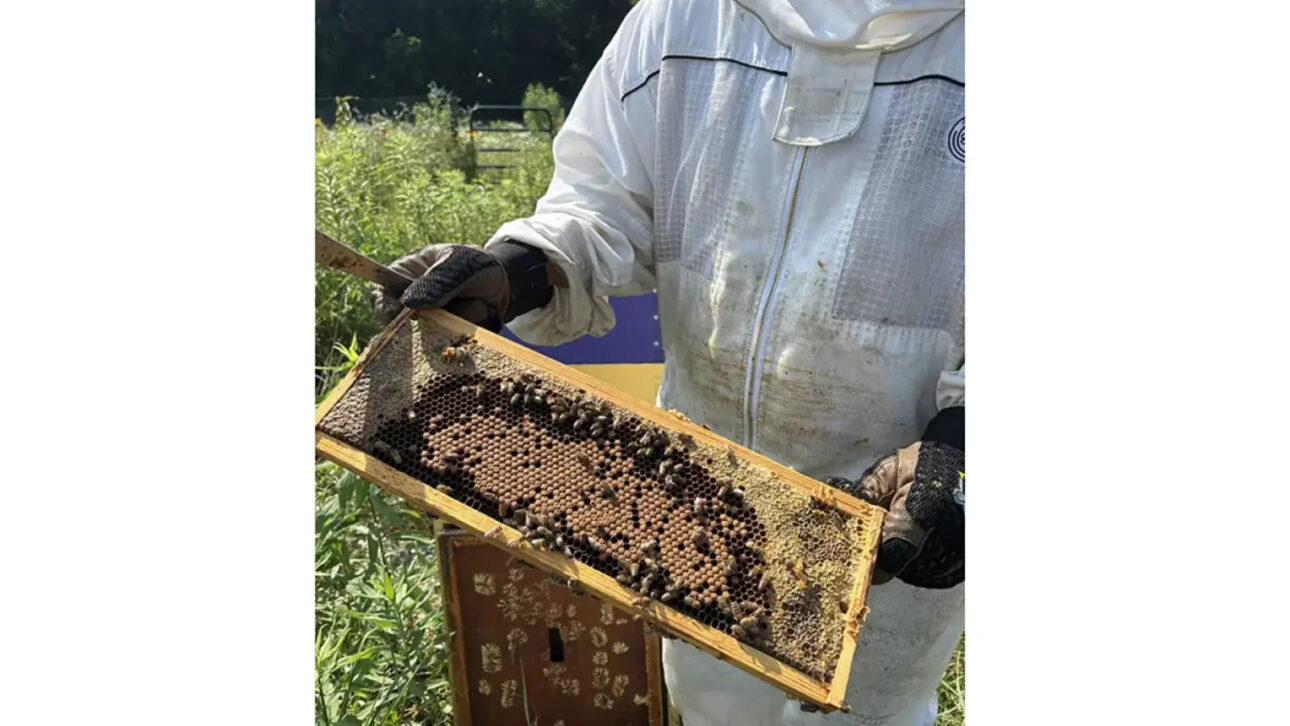
Beekeeping is also part of university education
In addition to the private apiary, Ondo oversees two other apiaries at Eden Hall, a 388-acre space owned by Chatham University. The area allows students to have practical experiences related to sustainable activities.
Emily Heffernan, dean of the Falk School of Sustainability and Environment, also works with beekeeping and considers Ondo an example of a student who managed to turn a passion into a professional activity.
According to Heffernan, the institution’s proposal is to prepare students to develop future-oriented solutions and understand how sustainable practices can be applied in careers and businesses.
This article was prepared based on information from Business Insider, with data, numbers, and statements preserved as per the consulted material.