Portuguese
  Spanish


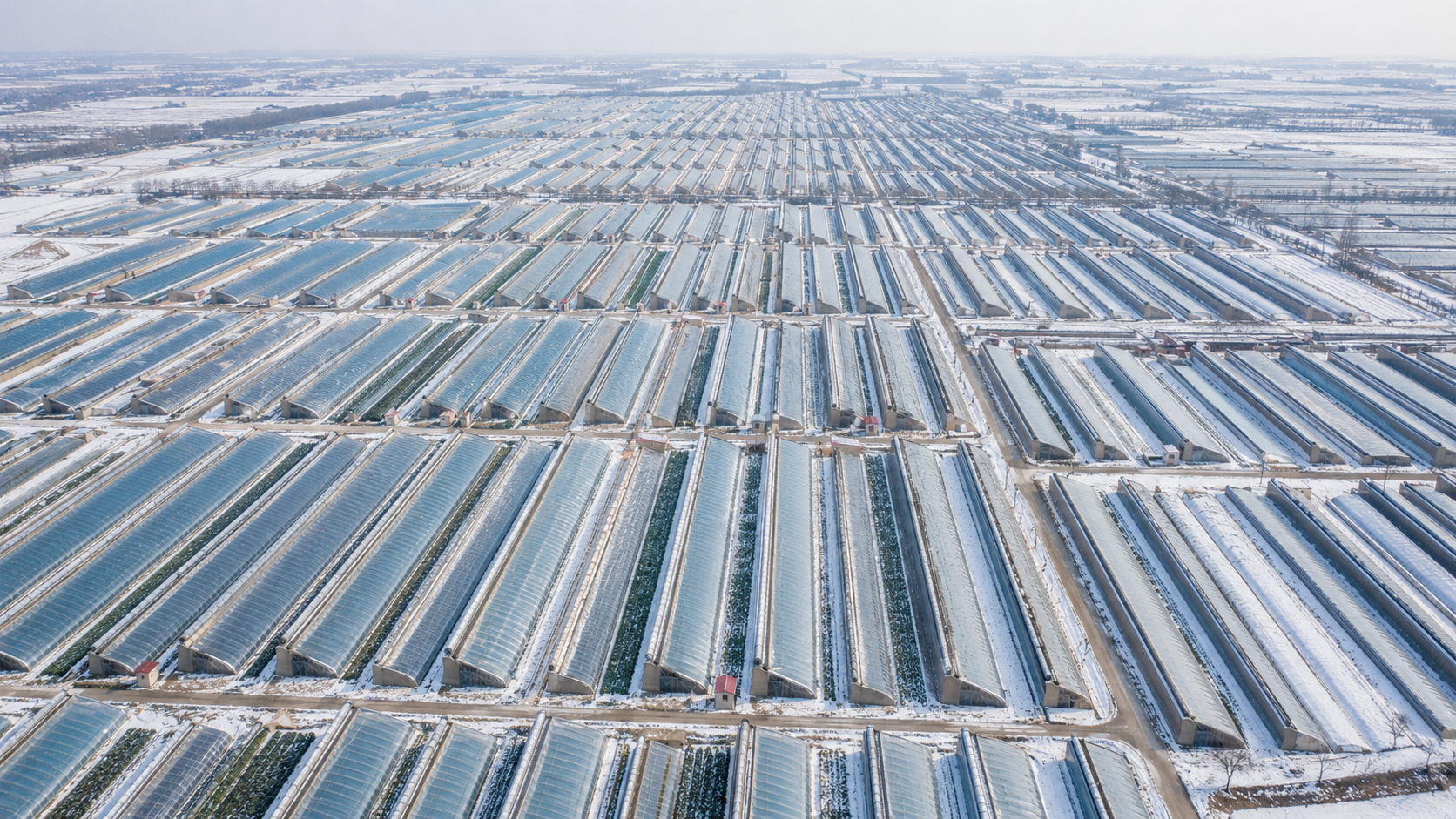
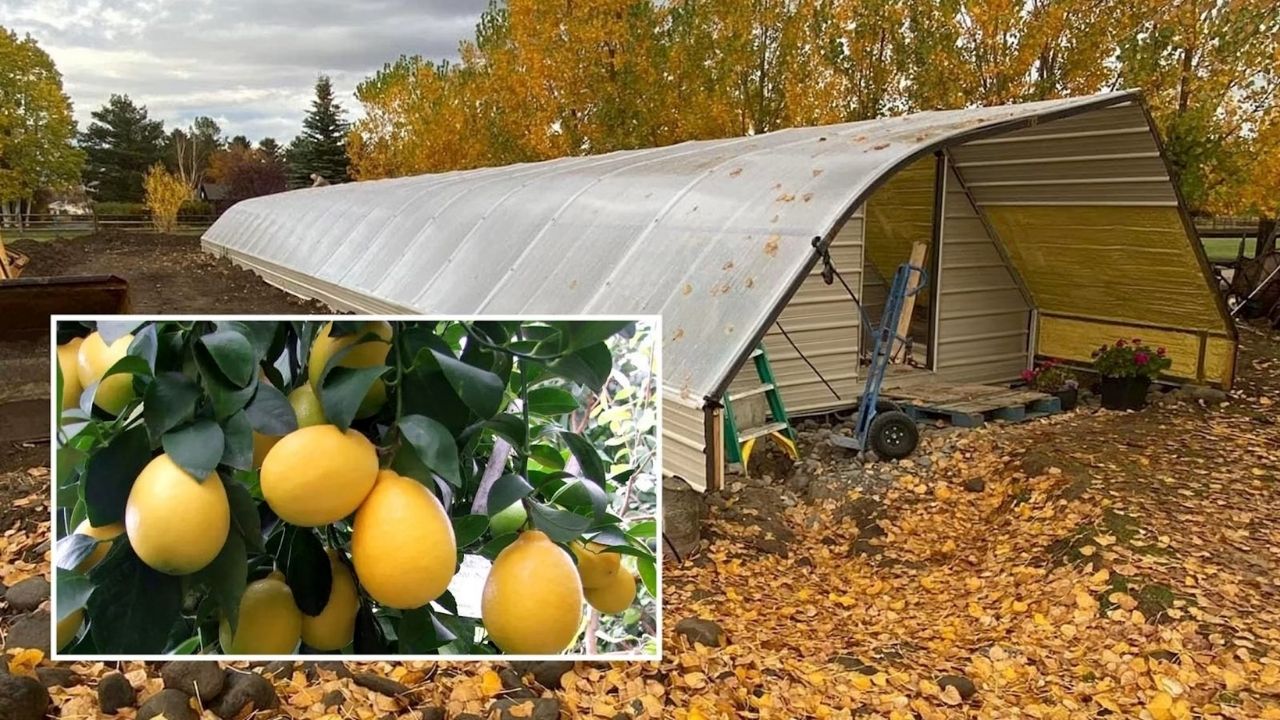
In Cody, Wyoming, Lynn and Karl Lampe built a 170 m² geothermal greenhouse with underground pipes, using the earth’s heat to grow tropical fruits, citrus, and vegetables year-round, while the system demonstrates how to produce food in the snow without expensive and constant traditional heating in extreme weather.
The geothermal greenhouse built by Lynn and Karl Lampe in Cody, Wyoming, has become an example of how underground pipes and earth’s heat can transform a harsh winter region into a productive space for tropical fruits. The couple completed the structure in the fall of 2023, in an area of 170 m².
According to a report by Cowboy State Daily, the project gained attention in April 2025 because it allows for harvesting food year-round in a region where the growing season is usually short, about 115 days. Inside the structure, the Lampes grow citrus, vegetables, and other plants using a solution that dispenses with constant traditional heating.
A greenhouse built to withstand Wyoming’s cold
Wyoming is known for strong winds, intense cold, and a limited planting window. For gardening enthusiasts, this means dealing with a short season and the risk of losing sensitive crops before they mature. This challenge led Lynn Lampe to seek an alternative outside the conventional model.
-
Ship Returns from Brazilian Coast with Thirty Newly Discovered Life Forms

-
Nigerian Professor Invents Electricity-Free Refrigerator Using Clay Pots and Wet Sand, Extending Shelf Life of Vegetables to 27 Days; 7,000 Units Distributed in Energy-Deprived Villages

-
Flower Farms Supplying London and Amsterdam Face Backlash for Environmental Impact on African Lake, Threatening Jobs for 50,000 Workers

-
World’s Largest Container Ship Departs Shanghai with 24,000 Containers, Set to Debut in Europe in July


Instead of relying solely on a common greenhouse, the couple decided to build a geothermal greenhouse partially supported by the earth’s natural heat. The logic is simple in appearance but demanding in engineering: taking advantage of the underground temperature, more stable than the outside air, to heat in winter and help cool in summer.
How the Lampes’ geothermal greenhouse works
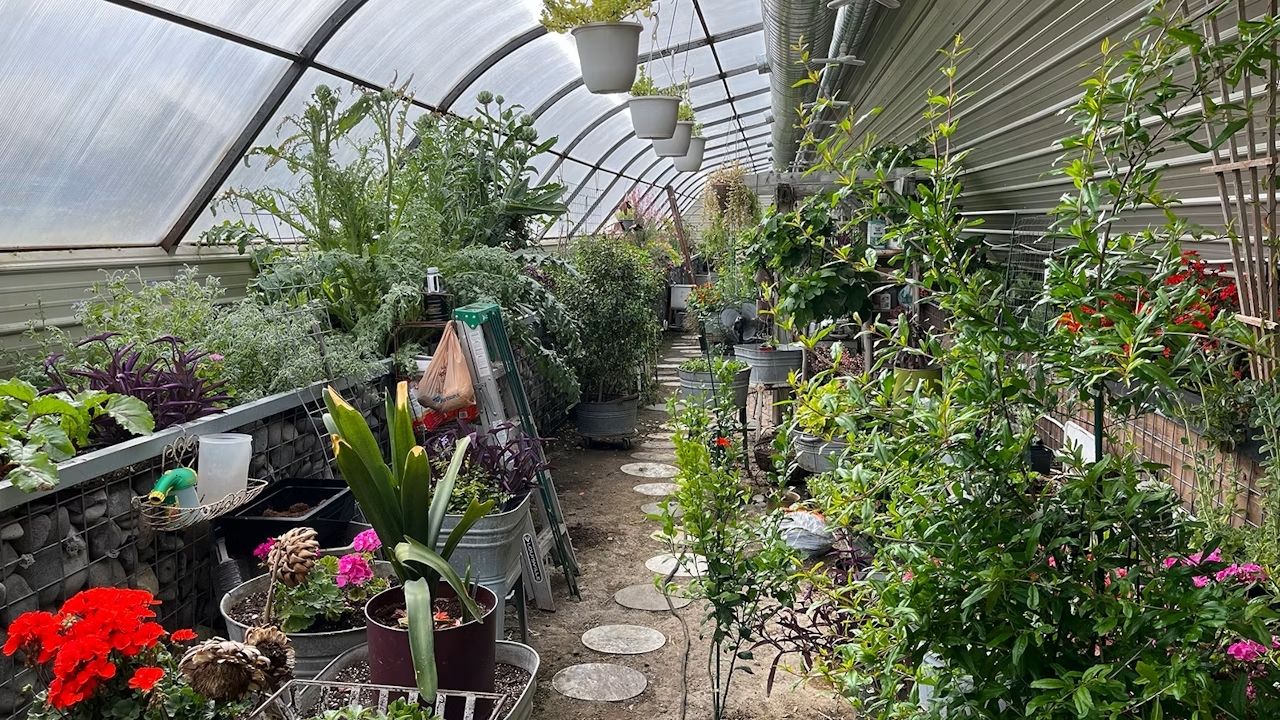
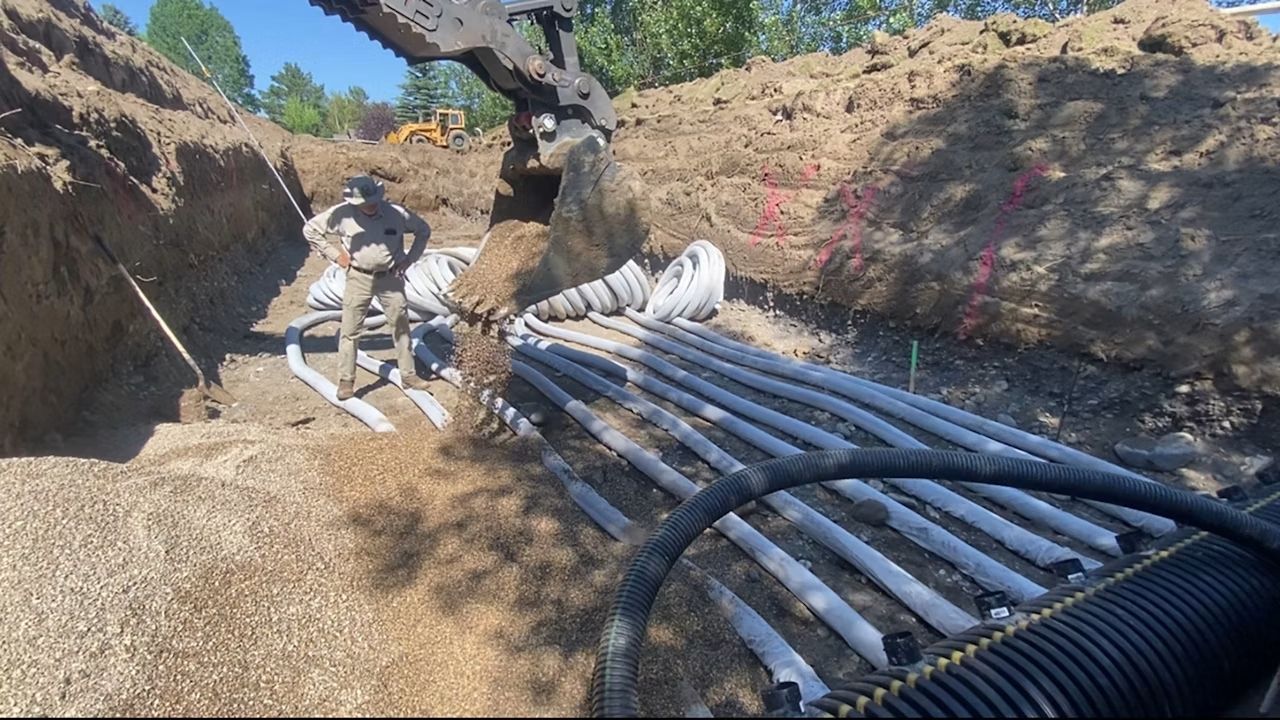
The system uses pipes buried under the structure to circulate air and balance the internal temperature. In the case of the Lampes, there are 20 underground pipes, divided into two sets. Ten of them are 30 meters long and are buried 3 meters deep. Another ten, also 30 meters long, are buried 2.4 meters deep.
These pipes pass under layers of gravel and soil, creating a kind of “thermal battery” in the ground. During operation, the air from the greenhouse itself circulates through the system, exchanges heat with the earth, and returns to the internal environment in more favorable conditions for the plants. The earth acts as a natural regulator, reducing dependence on traditional heaters.
The difference lies in the closed circulation system
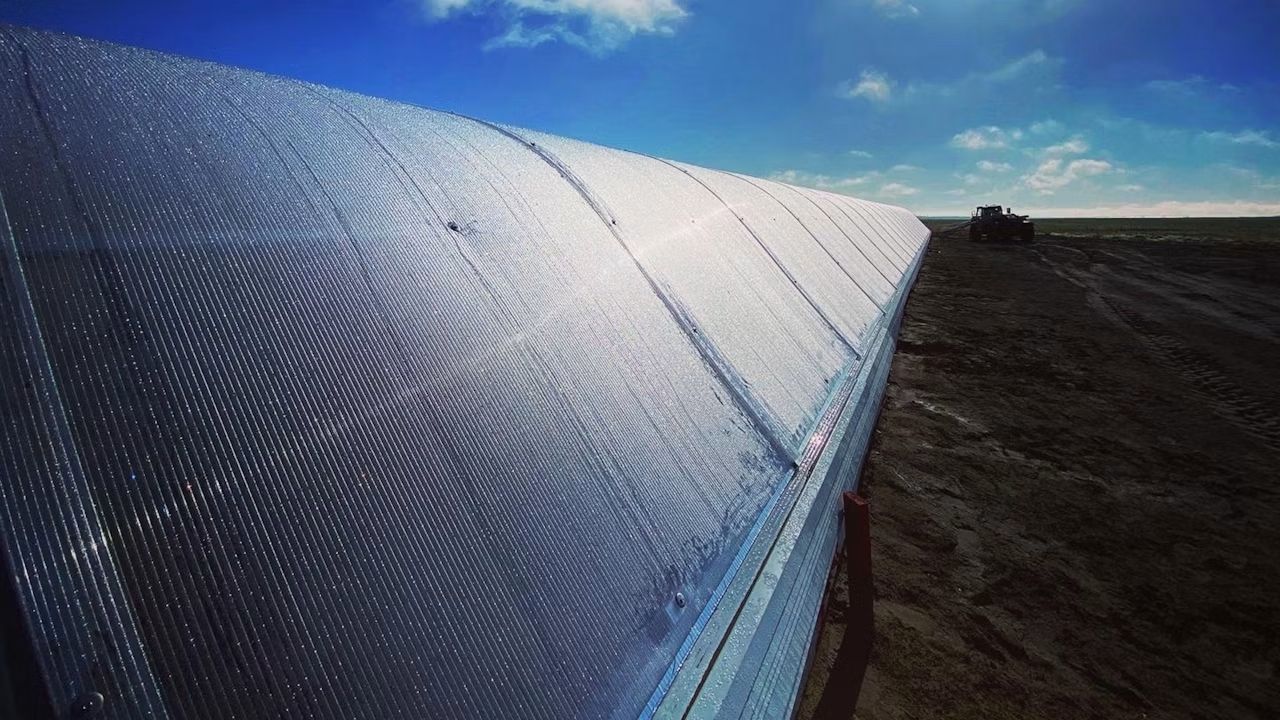
Many geothermal greenhouses use external inlets to capture ambient air and push it through the pipes. In the Lampes’ project, the system is closed, with recirculation of the internal air. This allows better control of the flow and adapts the structure to both cold and excessive heat.
The greenhouse also features separate distributions for hot and cold air, as well as small adjustable pipes and dampers that direct circulation. This choice was made to address a common problem in greenhouses: in winter, there is a lack of heat; in summer, there is an excess of heat. The project attempts to solve both extremes using the same underground principle.
Cold of -40°C did not prevent the plants from surviving
According to Lynn Lampe, even during days of extreme cold, when the outside temperature reached about -40°C, the greenhouse maintained internal conditions sufficient to sustain the vegetation. She reported that, at the lowest point, the environment was close to 39°F, a value that plants can tolerate for some time.
During the cold months, the lower part of the greenhouse usually stays around 45°F to 50°F. In spring and summer, the internal environment can remain close to 85°F. The daily operation, according to source reports, varies from about $0.50 to $1 per day, depending on conditions and system usage.
Oranges, lemons, and greens in the middle of snow
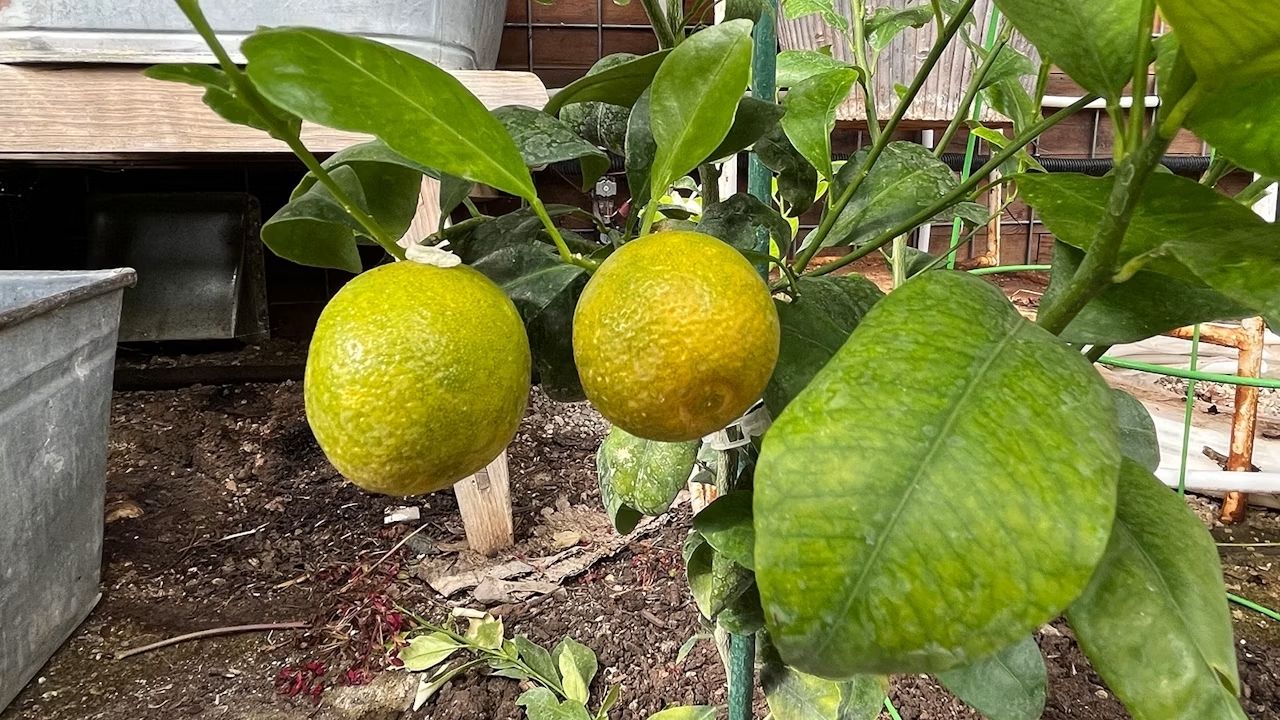
The most striking result is in cultivation. Lynn Lampe maintains citrus trees like oranges, lemons, limes, grapefruits, and pomegranates. There are also olive trees, fig trees, and peach trees, as well as vegetables and greens grown according to the family’s needs.
Among the foods mentioned are lettuce, spinach, chard, tomatoes, strawberries, and peas. Part of the cultivation is done directly in the beds, with replanting as the harvests end. The geothermal greenhouse allows for a rare routine for the local climate: planting, harvesting, soil correction, and restarting at any time of the year.
The idea came after a visit to Nebraska
Before building the project in Cody, the couple visited a greenhouse in Nebraska linked to the company Greenhouse in the Snow, known for working with geothermal structures. The visit served as inspiration, but the Lampes wanted to adapt the concept for another need: also improving the cooling of the greenhouse.
This point is important because many people associate greenhouses only with heating. However, on sunny days, the accumulated heat can become excessive and harm the plants. Therefore, the couple decided to develop a system capable of dealing with both cold and overheating, taking advantage of the cooler underground air.
Project had support from local specialist
To transform the idea into a project, the Lampes enlisted Mike Poulsen from Alpine Botanica, a local company specializing in geothermal greenhouses. Poulsen helped develop the air circulation and adapt the system to the specific conditions of the terrain and climate of Wyoming.
Alpine Botanica was established in 2022 and works on projects focused on gardening, food self-sufficiency, and cultivation structures. Although the installation of a geothermal greenhouse requires an initial investment, the proposal is to reduce operating costs over time, especially in regions where maintaining a heated greenhouse can be expensive.
Sustainability without relying solely on expensive technology
The Lampes’ case draws attention because it combines low apparent technology with intelligent engineering. It is not a solution based on panels, sophisticated electric batteries, or constant heating, but a system that uses the thermal stability of the earth as its main ally.
This does not mean that anyone can replicate the model without planning. The depth of the pipes, type of soil, drainage, ventilation, sunlight, humidity, and size of the structure influence the result. The strength of the geothermal greenhouse lies precisely in its adaptation to the place where it will be built.
A response to increasingly challenging growing seasons
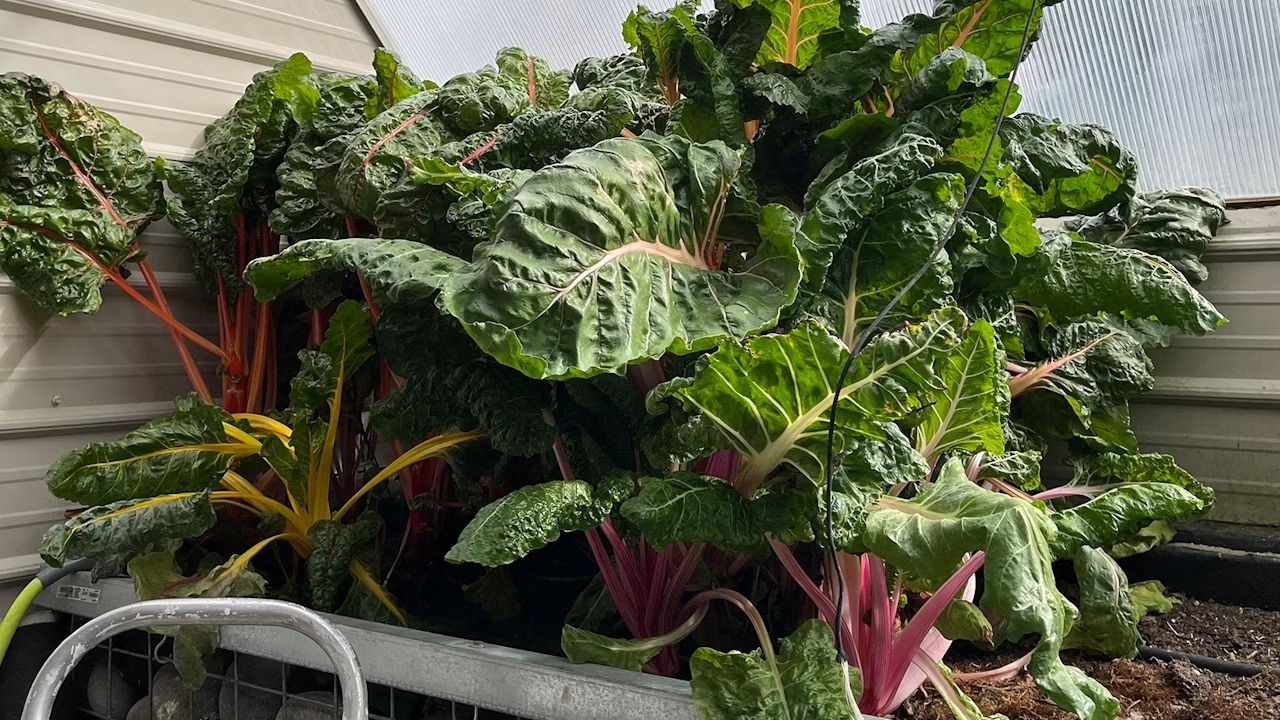
In cold regions, the limitation of the growing season affects both home gardeners and small producers. A solution like this expands the possibility of harvesting fresh food for more months, reducing dependence on products transported from afar.
At the same time, the experience shows that small-scale agriculture can benefit from hybrid solutions, mixing traditional knowledge, climate observation, and air circulation engineering. In Cody’s case, the structure created an environment where tropical plants coexist with the snow outside.
The greenhouse also became a well-being space
Besides food production, Lynn Lampe describes the greenhouse as a pleasant space to stay in while the external weather is harsh. The fact that the structure is partially protected and less exposed to the wind helps create a sense of shelter in the middle of a difficult landscape.
This point helps to explain why projects of this type spark curiosity. They not only solve a cultivation issue but create a habitable, productive, and visually stunning microclimate. Instead of waiting for the snow to pass, the couple built a controlled piece of summer under the cold of Wyoming.
Earth’s heat turned into tropical harvest
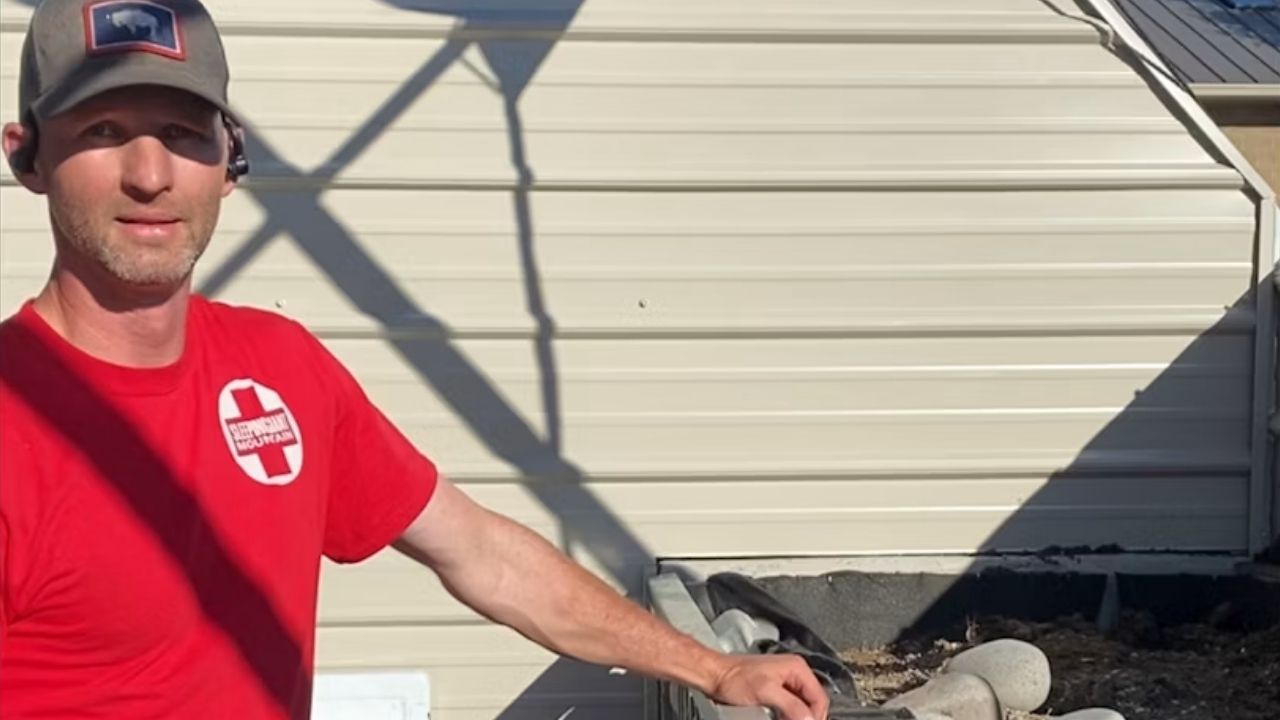
The story of Lynn and Karl Lampe’s geothermal greenhouse shows how a well-planned solution can turn climatic limitations into opportunity. With 20 buried pipes, air circulation, and strategic use of ground heat, the couple managed to grow tropical fruits and vegetables all year round in a region marked by extreme cold.
The project does not eliminate the challenges of cost, maintenance, and technical adaptation, but it proves that the earth’s heat can be a powerful tool for those seeking to produce food outside the conventional season. Do you think a geothermal greenhouse like this would make sense in cold regions of Brazil, or would it be too expensive for the local reality? Leave your opinion in the comments.