Portuguese
  Spanish



Flying Robots: The Revolution in Saving Lives
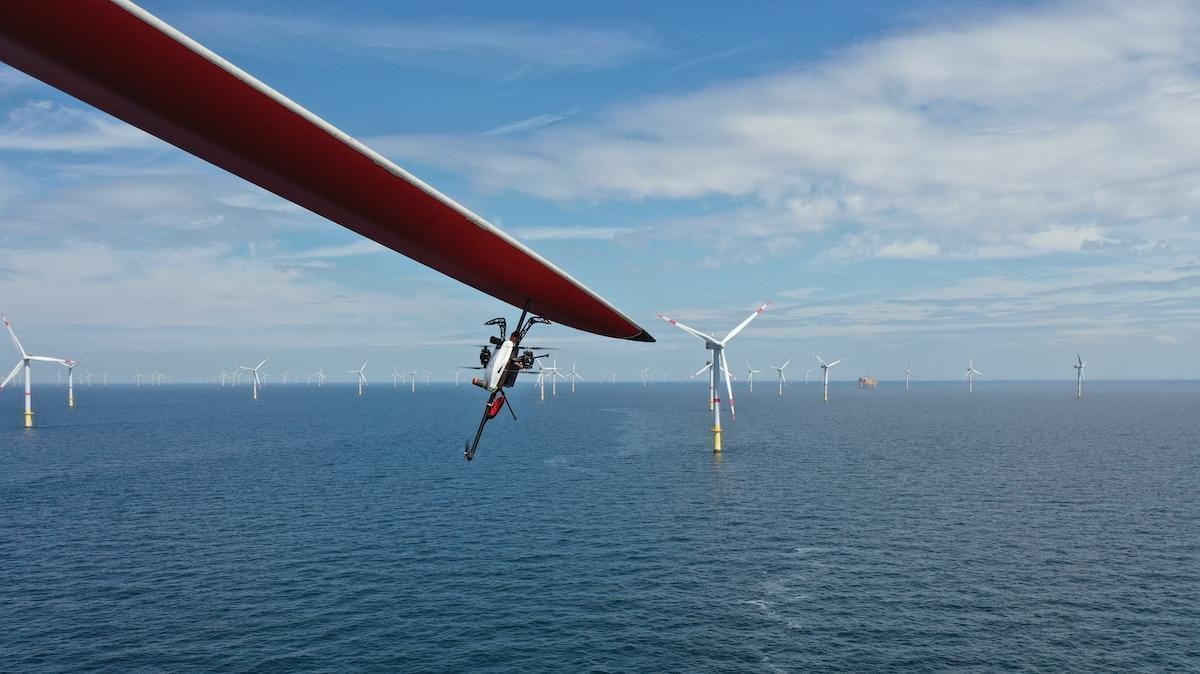
In a world where technology is advancing rapidly, flying robots emerge as unexpected heroes, transforming the rescue and salvage landscape. These devices, which seem to come straight out of a science fiction movie, are now at the forefront of emergency situations, proving their worth in critical operations.
How Do Flying Robots Work?
Flying robots, also known as drones, are equipped with cutting-edge technology that allows them to perform complex tasks. They are remotely controlled and can access hard-to-reach areas for humans. With high-resolution cameras and advanced sensors, these robots can map terrains, identify victims, and even deliver essential medical supplies.
Impact on Rescue Operations
The use of flying robots in rescue operations has proven to be revolutionary. In natural disasters, such as earthquakes and floods, they can quickly reach isolated locations, providing vital information to rescue teams. Moreover, their ability to operate in adverse conditions makes them indispensable in situations where time is crucial.
-
The Trap of Modern Technology: How Screen Overload and Digital Connections Can Impact Your Mental Health and Well-being

-
Wyoming Couple Grows Tropical Fruits Year-Round in -40°C Using Geothermal Greenhouse, Demonstrating Earth’s Heat Can Produce Oranges and Lemons in Snow Without Traditional Heating

-
Ship Returns from Brazilian Coast with Thirty Newly Discovered Life Forms
-
Nigerian Professor Invents Electricity-Free Refrigerator Using Clay Pots and Wet Sand, Extending Shelf Life of Vegetables to 27 Days; 7,000 Units Distributed in Energy-Deprived Villages



Surprising Industries
In addition to saving lives, flying robots are surprising various industries. In the construction sector, for example, they are used for safety inspections and progress monitoring. In agriculture, they assist in mapping crops and applying fertilizers precisely. The versatility of these devices is redefining standards and opening up new possibilities.
Challenges and Future of Flying Robots
Despite the advances, the use of flying robots still faces challenges. Regulatory and privacy issues are constant concerns. However, with the continuous development of technology and the adaptation of laws, it is expected that these obstacles will be overcome. The future promises even more efficient flying robots integrated into our daily lives.
Conclusion
Flying robots are not only saving lives but also revolutionizing entire industries. Their ability to operate in challenging environments and perform complex tasks makes them an indispensable tool in the modern world. As technology advances, we can expect these devices to become even more integrated into our lives, bringing immeasurable benefits.