






 Portuguese
  Spanish


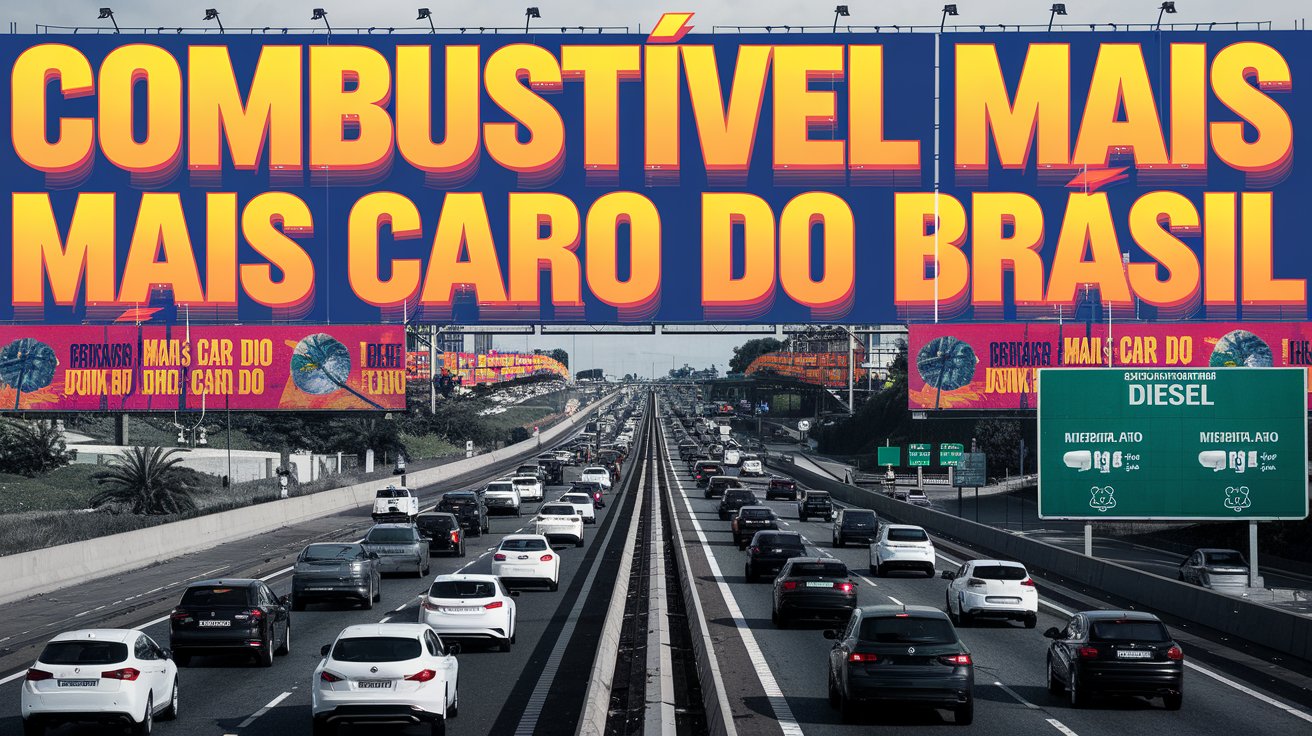

Highway That Crosses 12 Brazilian States Has The Most Expensive Diesel In The Country! Research Shows Significant Increases In Fuel Prices, With Gasoline And Ethanol Skyrocketing.
Few roads in Brazil possess as much history and importance as BR-101.
Connecting the extreme south to the extreme northeast of the country, this imposing highway of 4,765 kilometers crosses 12 states, linking economically diverse regions and facilitating the transport of goods and passengers.
However, amidst its grandeur, BR-101 also stands out negatively in an essential aspect for drivers and transportation companies: the high price of fuel.
-
Brazil’s 2026 Tax Refund: Record 9.58 Million Filers in Largest Payout Ever, But a Key Detail on Priority Recipients Draws Nationwide Attention

-
Itaú Alters Hybrid Work Model, Increasing Office Days from 2028, Prompting Employees to Adjust to New Routine
-
2027 Toyota Corolla Cross Unveiled: New Design, Enhanced Fuel Efficiency, Reduced Maintenance Costs, Advanced Technology, Connected Services, and Up to 10-Year Warranty

-
Facing Labor Shortage, Japan Plans to Invest $34 Million to Attract Foreign Workers in Construction, Healthcare, Industry, and Commerce




According to the latest survey by the Edenred Ticket Log Price Index (IPTL), conducted in February 2025, BR-101 recorded the highest average prices for diesel, gasoline, and ethanol among Brazil’s main highways.
The study compared prices charged on BR-101 with other notable routes in the country, such as Régis Bittencourt, Presidente Dutra, and Fernão Dias, revealing a concerning reality for those who depend on this road.
Most Expensive Fuels In Brazil Are On BR-101
According to the Canal Rural, the data released by IPTL shows that common diesel was sold at an average price of R$ 6.42 per liter, representing a rise of 1.90% compared to January.
The S-10 diesel, more suitable for modern engines, reached a price of R$ 6.55 per liter, an increase of 2.66%.
For vehicles powered by gasoline and ethanol, the situation is also unfavorable: the liter of gasoline was found at R$ 6.55, while ethanol reached R$ 4.91, with adjustments of 2.66% and 3.59%, respectively.
According to Douglas Pina, General Director of Mobility at Edenred Brazil, the high prices can be explained by several factors.
“BR-101 recorded the highest average fuel prices among the analyzed highways, with the largest increases for ethanol and gasoline.
One of the main reasons for this situation is the distance from large refining and distribution centers, directly impacting logistics costs,” he explains.
Where To Fill Up For Less?
Among the highways analyzed by the study, Fernão Dias had the lowest average price for common diesel, with the liter sold at R$ 6.25.
Despite this lower price compared to BR-101, this highway also recorded a significant increase of 4.87% compared to January.
For S-10 diesel, the lowest price was identified on Régis Bittencourt (R$ 6.42), although it had an increase of 2.07%.
For drivers who prefer gasoline, the most economical option was found on Presidente Dutra, where the liter cost R$ 6.22, with a slight increase of 0.68%.
The cheapest ethanol was identified on Régis Bittencourt, with an average price of R$ 4.35 per liter, even with an increase of 2.11%.
Check below the price comparison between the main highways in Brazil:
| Highway | Common Diesel | S-10 Diesel | Ethanol | Gasoline |
|---|---|---|---|---|
| Régis Bittencourt | R$ 6.29 | R$ 6.42 | R$ 4.35 | R$ 6.26 |
| Presidente Dutra | R$ 6.34 | R$ 6.46 | R$ 4.50 | R$ 6.22 |
| Fernão Dias | R$ 6.25 | R$ 6.37 | R$ 4.57 | R$ 6.31 |
| BR-101 | R$ 6.42 | R$ 6.55 | R$ 4.91 | R$ 6.55 |
Impact On Cargo And Passenger Transport
Continuous increases in fuel prices directly impact cargo and passenger transport.
BR-101 is one of Brazil’s main highways, being vital for the movement of agricultural and industrialized products and also for tourism.
With more expensive fuels, the operational costs of truck drivers and logistics companies rise, reflecting on the final prices of products and services.
Additionally, the price hike affects ride-hailing drivers, taxi drivers, and public transport drivers, making transportation more costly and reducing the buying power of the population.
The trend is that this increase will be passed on to freight and public transport fares, further impacting the budgets of Brazilian families.
Possible Solutions And Alternatives
In light of this scenario, drivers seek alternatives to save on fuel costs.
Some strategies include the use of price comparison apps, planning routes that allow refueling in cheaper locations, and the substitution of gasoline with ethanol when the price ratio is favorable.
Another measure that can alleviate costs is the investment in technologies that increase fuel consumption efficiency, such as preventive maintenance of vehicles, proper tire calibration, and the adoption of economical driving habits.
What To Expect In The Coming Months?
Experts indicate that fuel prices may continue to fluctuate in the coming months, influenced by factors such as oil prices in the international market, Petrobras’ pricing policy, and currency fluctuations.
Therefore, it is essential for drivers to keep up with market trends and seek strategies to mitigate the impact on their finances.
With fuel prices getting higher and higher, traveling on BR-101 may cost more than expected.
Staying alert to prices, planning refuels, and adopting sustainable practices are essential measures for those who need to face this long and important Brazilian road.








