






 Portuguese
  Spanish


Israel has put into combat operation the Iron Beam, a laser defense system capable of shooting down drones and rockets for about three and a half dollars per shot, compared to the thousands of dollars of a traditional interceptor missile.
For decades, the idea of laser weapons seemed like something out of a science fiction movie. But this frontier has just been truly crossed. Israel has put into combat operation the Iron Beam, a defense system that, instead of missiles, fires a laser beam to shoot down airborne threats. It is pointed out as one of the first truly operational defense lasers in the world.
The detail that makes eyes shine is the cost. Each shot of the Iron Beam costs about three and a half dollars, a ridiculous amount compared to the thousands of dollars a common interceptor missile costs. To shoot down cheap drones and rockets that come in large numbers, this price difference completely changes the logic of defense, and that’s why the system is so revolutionary.
A defense that fires light
The operation of the Iron Beam is as simple to explain as it is difficult to execute. Instead of launching a physical projectile, it concentrates a high-energy laser beam on the target, heating it until it breaks or explodes in the air. As light travels at the maximum possible speed, the target is hit practically the moment the system aims, without the flight time of a missile.
-
Australia, UK, and US Seal Combat Submarine Drone Pact to Accelerate Attack Fleet

-
Europe Orders Israel’s Light Cannon Capable of Downing Drones from Five Kilometers at Minimal Cost Per Shot
-
Turkey Delivers Self-Designed Submarines, Emerges as Naval Power Exporter in the Mediterranean
-
France doubled the firepower of the new frigates and increased the missiles from 16 to 32 tubes ready to fire.


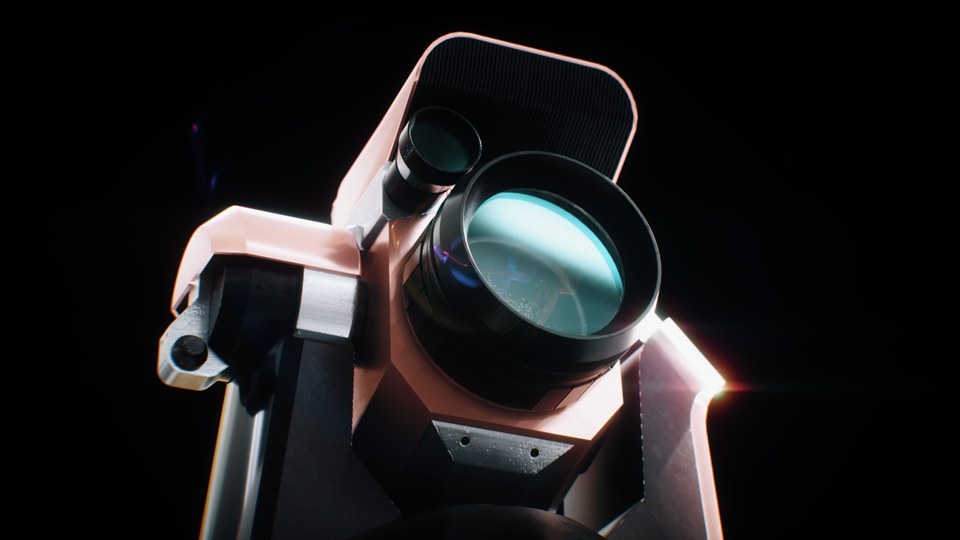
I confess there is something futuristic and almost magical about shooting down threats with an invisible beam of energy. But behind this, there is brutal engineering, capable of generating and focusing so much power at a distance. Making a laser powerful enough to shoot down rockets work reliably on the battlefield was an old dream of the military, and Israel has just shown that it is possible.
The calculation that changes the war
The great revolution of the Iron Beam is in the economy, not just in technology. Those who attack with cheap drones and rockets bet precisely on exhausting the expensive defenses of the adversary, which needs to spend a fortune on missiles to shoot down each cheap threat. It’s a perverse calculation, where the defending side always spends much more than the attacker, and which can bankrupt even powerful armies.
The laser reverses this logic at once. If each shot costs a few dollars and the energy source is practically inexhaustible, shooting down a swarm of cheap threats ceases to be a financial problem. Israel, which lives under the constant threat of rockets and drones, has every interest in such a defense, capable of neutralizing mass attacks without breaking the budget. It is defense finally taking the lead on the cost issue.
The limits of the laser
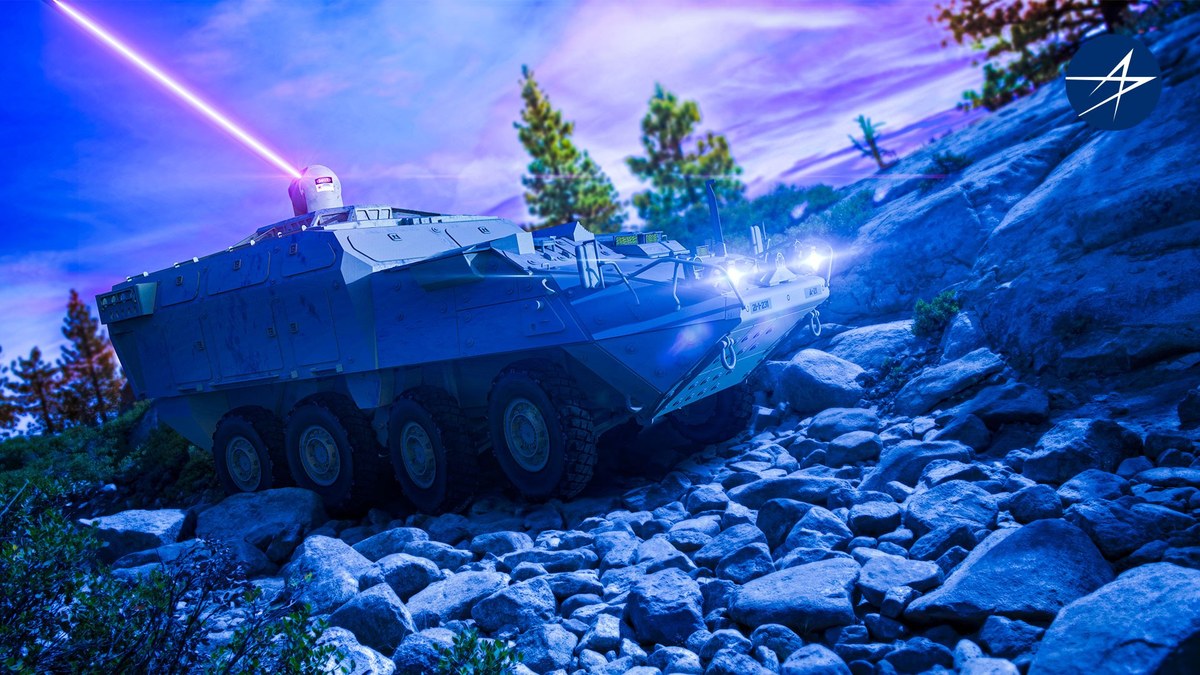
As impressive as it is, the laser is not a magic solution for everything. Systems like the Iron Beam have limitations, they work better against smaller and closer targets, and their performance can drop with bad weather, such as clouds, rain, and dust, which disrupt the beam. Therefore, it does not completely replace interceptor missiles but works alongside them, forming layers of defense.
The idea is precisely to combine the best of each weapon. The cheap laser takes care of the flood of small and nearby threats, while the more expensive missiles are reserved for larger and more distant targets. This intelligent combination is what makes Israel’s defense so efficient and points to a future where energy beams and missiles coexist side by side, protecting the sky.
It is worth remembering that Israel was already a world reference in anti-aircraft defense even before the laser, with systems famous for intercepting rockets in mid-flight. The problem is that each of these interceptions was expensive, and mass attacks threatened to deplete stocks and the budget. The Iron Beam was born precisely to fill this gap, adding to the existing defenses as a cheap and almost unlimited layer of ammunition. It is this logic of stacking multiple lines of protection, each good for a type of threat, that has turned the country into a living laboratory of future defense, closely watched by armies worldwide facing the same challenge of cheap attacks in large numbers.
The future has arrived on the battlefield
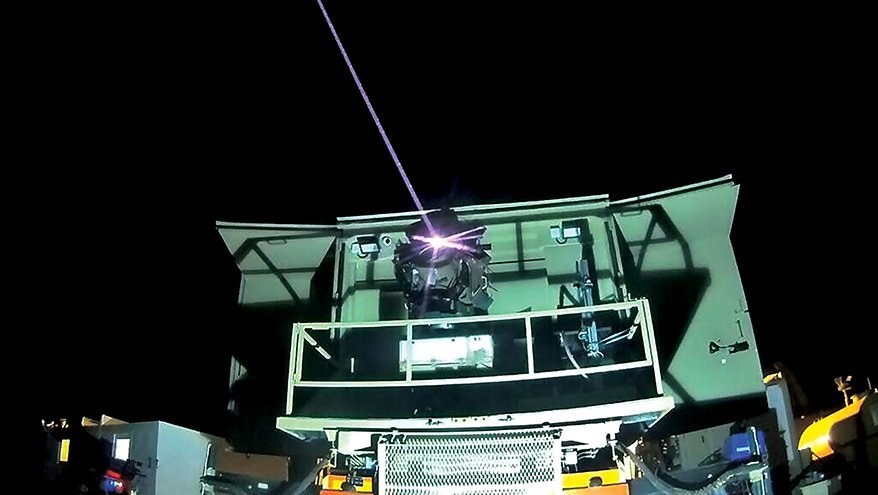
I imagine the psychological impact of a weapon that shoots down threats with a silent beam of light, without the roar of a launch, without the trail of a missile. It’s the kind of technology that seemed impossible a few years ago and is now, in fact, defending a real country. The future we saw in movies has arrived on the battlefield.
The Iron Beam marks the beginning of a new era in defense, where cost ceases to be the weak point of those who protect themselves. If the technology continues to evolve, increasingly powerful lasers may become the first line of defense for many countries against the flood of drones and rockets in the modern world. Israel has taken the first concrete step, showing that the era of laser weapons has finally left fiction and entered reality, and it is likely that many other countries will rush to have their own version in the coming years.
Did you imagine that a laser beam costing a few dollars was already defending a real country against rockets?


