





 Portuguese
  English
  Spanish
  4 min of reading
  10 comments





The RT-23 Molodets Turned 120,000 Km of Soviet Railways into Mobile Nuclear Platforms, Launching Missiles with Ranges Exceeding 10,000 Km from Camouflaged Trains.
During the Cold War, the greatest obsession of superpowers was not just to possess nuclear weapons but to ensure that they survived a first strike. If silos were destroyed and air bases neutralized, what would remain to retaliate? From this logic was born one of the most difficult-to-track weapons ever created: the RT-23 Molodets, an intercontinental ballistic missile launched from regular trains, hidden within the vast railway system of the Soviet Union.
More than just a missile, the Molodets transformed the very civil infrastructure into a mobile nuclear field, diluting offensive power across thousands of kilometers of tracks.
The Logic of Deterrence in Motion
In the 1970s and 1980s, the United States heavily invested in spy satellites capable of locating fixed silos and strategic bases. The Soviet response was simple and radical: if it’s not possible to hide a fixed target, turn it into something that never stops moving.
-
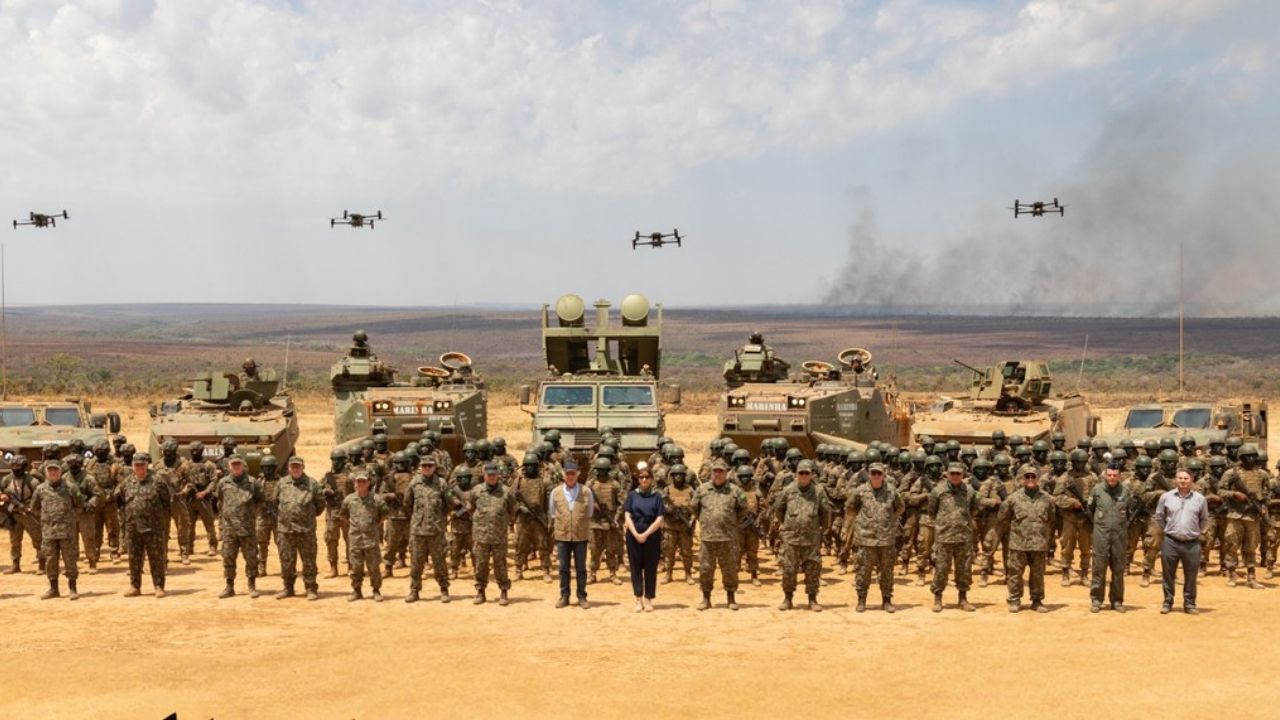
Operation Atlas gathered 2,500 marines, armored vehicles, helicopters, fighter jets, anti-tank missiles, and kamikaze drones in a demonstration of firepower in the Cerrado, while the Navy, Army, and Air Force tested coordinated actions in a tactical scenario presented to the Minister of Defense.

-
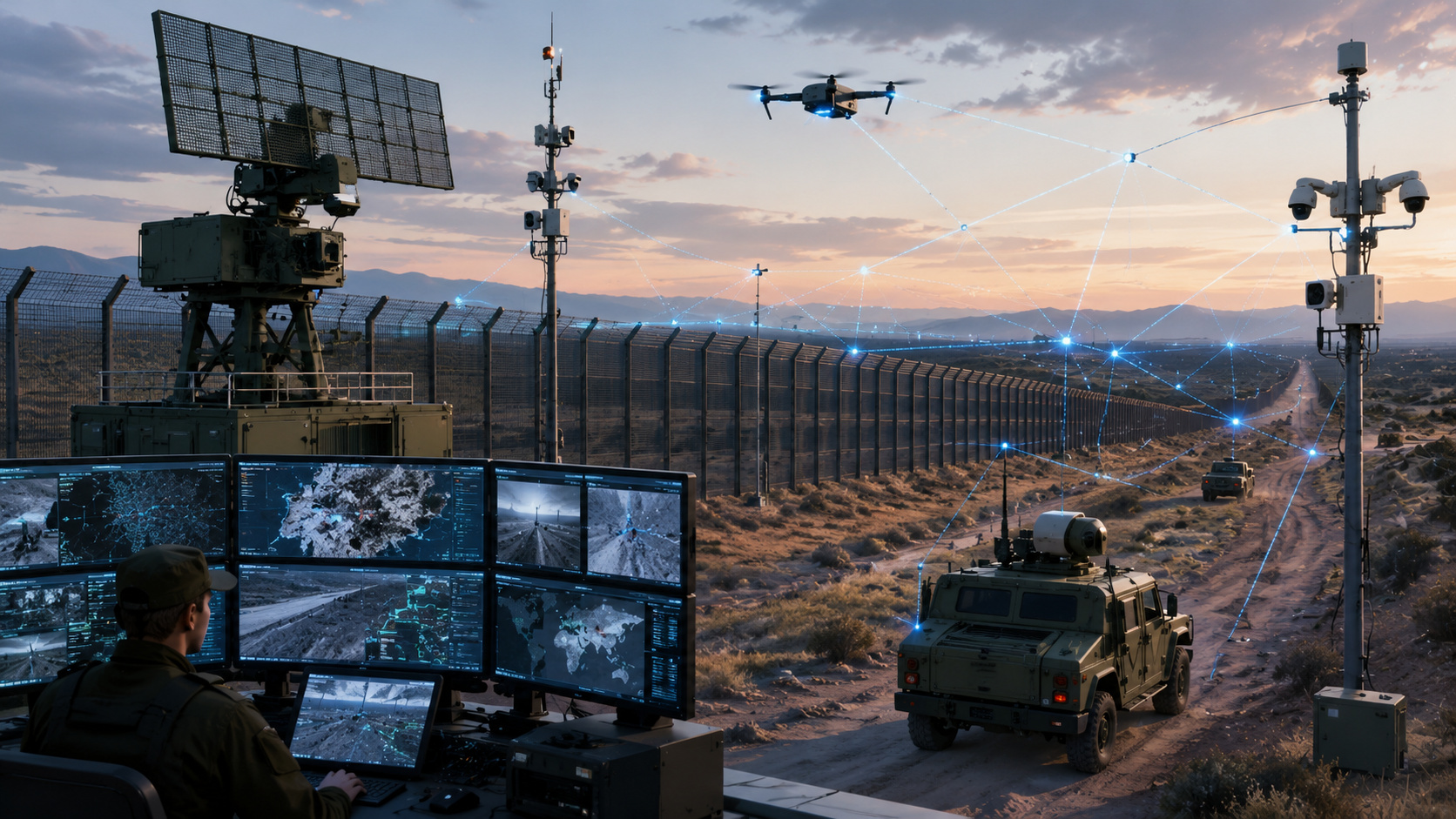
Brazil erects a digital wall along 16,886 km of borders with 10 countries, using sensors, radars, military communications, and the Army’s decision-making system to protect one of the largest land stretches on the planet and showcase the technological strength of national defense.

-
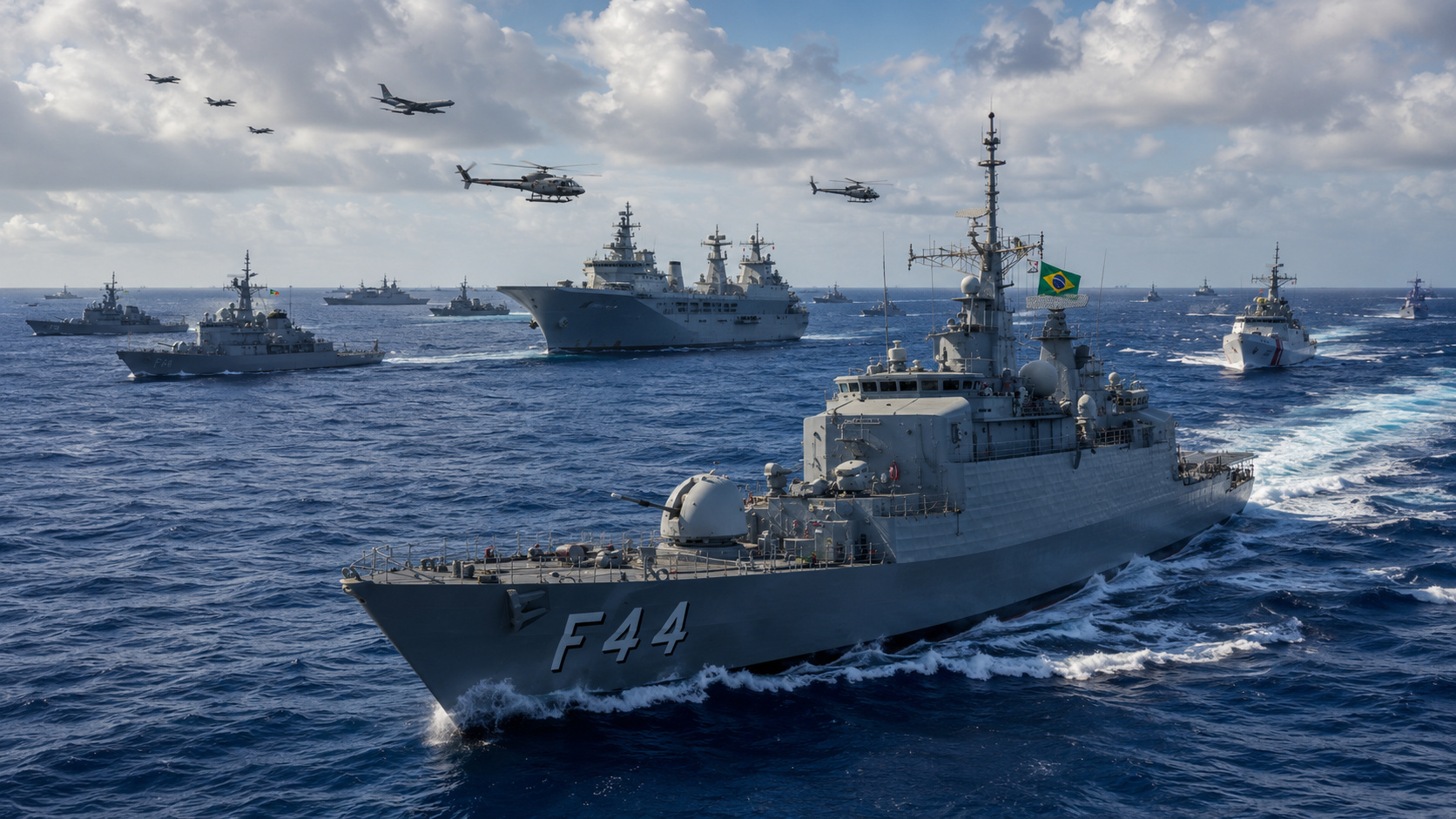
Brazilian warship crosses the North Atlantic on a historic 85-day mission, sailing alongside more than 60 warships, aircraft, and amphibious troops, heading to the largest naval review in U.S. history with over 100 military vessels, and carries the Brazilian Navy flag to the celebrations of the 250th anniversary of American Independence.
-
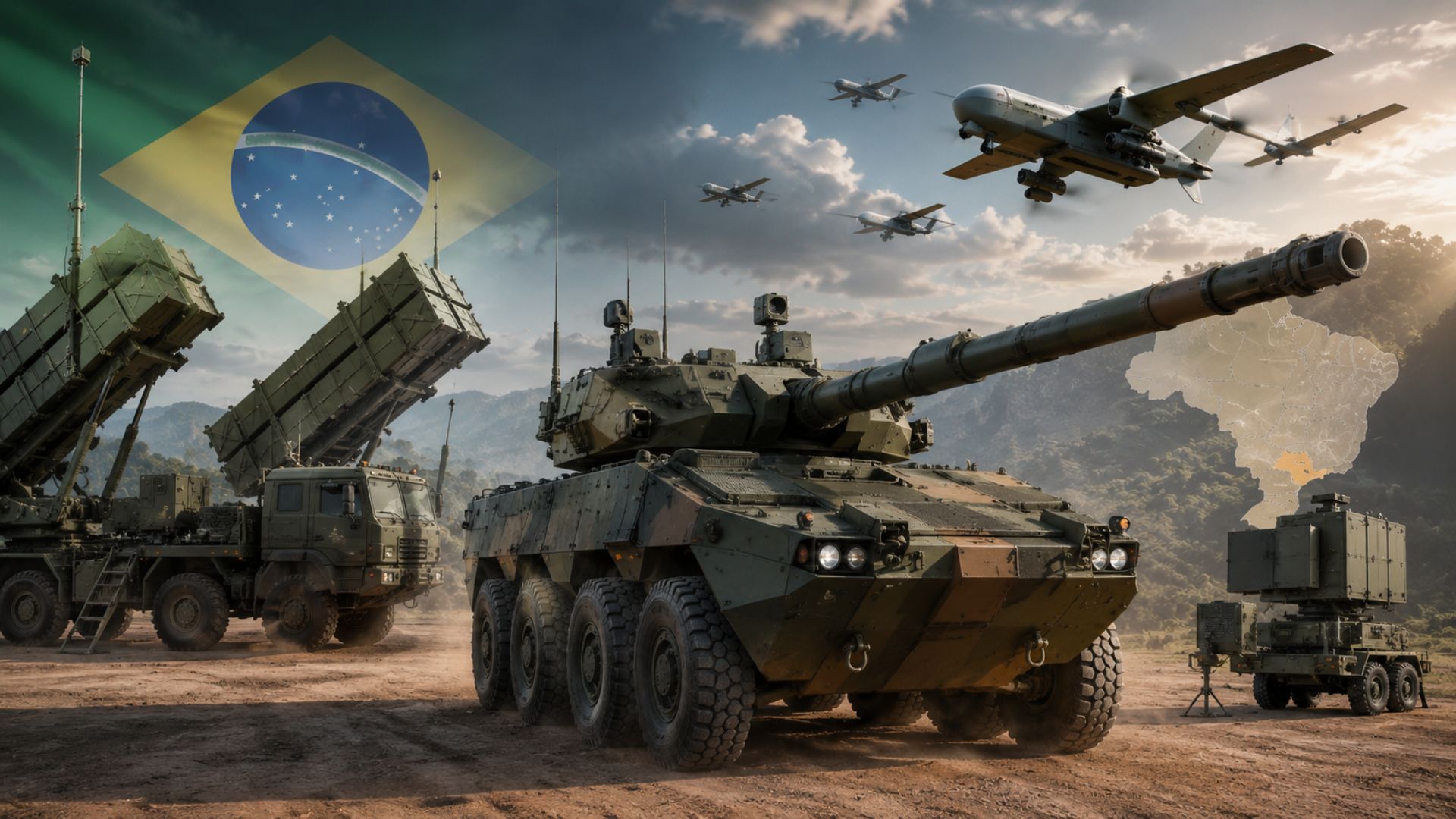
The Brazilian Army is about to finalize one of the largest military purchases in recent years with Italy, consisting of 96 Centauro 2 armored vehicles with 120 mm cannons and three anti-aircraft batteries unprecedented in the country, including armed drones under negotiation.

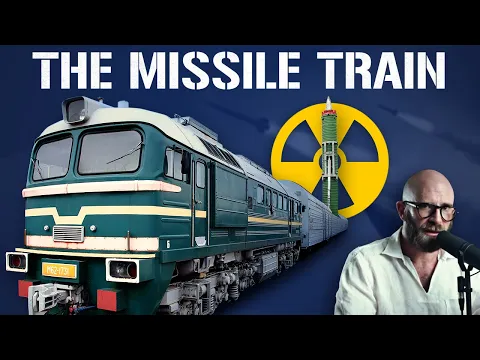

The Soviet Union had one of the largest railway networks on the planet, with about 120,000 kilometers of tracks. Integrating nuclear weapons into this system meant creating thousands of potential launch points, making any attempt at preventive neutralization practically impossible.
An Intercontinental Missile Disguised as a Regular Car
The RT-23 Molodets, known in the West as SS-24 Scalpel, was a solid-fueled intercontinental ballistic missile designed to be launched directly from reinforced railway cars.
Technically, the missile was impressive:
• Estimated range exceeding 10,000 km
• Approximate weight of 104 tons
• Capacity to carry up to 10 MIRV nuclear warheads, each capable of being directed at a different target
• Enough accuracy to hit strategic targets thousands of kilometers away
Each train carried several special cars but externally resembled a standard freight train, indistinguishable from thousands of others crossing Soviet territory daily.
Nuclear Launch from the Tracks
The launch system was an extreme engineering feat. Upon receiving the order, the train could stop at practically any suitable section of the railway. The car would stabilize, the roof would open, and the missile was raised to a vertical position before firing.

All of this could be done without the need for fixed infrastructure, no permanent bases, and without leaving obvious signs for enemy satellites until the last moment.
In practice, this meant that any point on the Soviet railway network could become a nuclear launch site.
Mobility as a Strategic Weapon
The greatest asset of the RT-23 Molodets was not just its range but its unpredictability. The trains remained in constant motion, following varied routes, blending in with the regular railway traffic and stopping only in previously studied areas for launch.
Even if a satellite identified a suspicious train, confirmation would be difficult. Attacking the wrong civilian convoy could mean escalating a nuclear conflict by mistake, making the system even more effective as a deterrent tool.
Crew, Autonomy, and Survival
Each nuclear train was operated by a highly trained military crew, living in a nearly self-sufficient regime within the train itself. There were command cars, communications, power, and life support.
The concept anticipated that the trains could operate for long periods without returning to bases, maintaining the capacity for attack even after an enemy nuclear first strike.
The Peak and the Beginning of the End
The RT-23 Molodets entered service in the late 1980s, just as the Cold War was nearing its end. At its peak, the Soviet Union maintained several armed railway regiments, each with multiple missiles ready for launch.
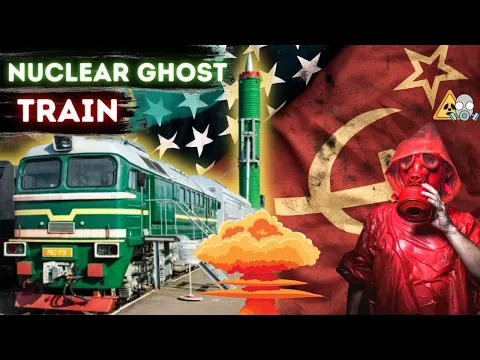
With the collapse of the USSR and the signing of strategic arms reduction treaties, such as START II, railway missiles came to be seen as excessively provocative and costly to maintain.
Throughout the 2000s, the last Molodets systems were decommissioned and dismantled, officially ending the era of Soviet nuclear trains.
A Concept That Still Haunts Strategists
Despite being retired, the concept never died. The idea of mobile strategic weapons, hidden within civil infrastructure, continues to be studied and periodically reappears in modern military debates, including in Russia and China.
The RT-23 Molodets remains one of the most extreme examples of how Cold War military engineering pushed the logic of deterrence to its maximum limit: if hiding a weapon is not sufficient, hide it within the very country in constant motion.







Basta levar a familicia para serem candidatos nestes países, eles levam as igrejas deles e seus pastores ****, levam seus discípulos políticos e acabam com a força destas nações.
A Ucrânia provou que esta estratégia não funciona, uma arma nuclear e a última opção, neste caso já não existe malha ferroviária.
Quer acabar com um país ? Lança os políticos corruptos brasileiros de para Quedas neste país em poucos anos o país está destruído.
Aprendam a votar que não teremos mais políticos corruptos
Perfeito!
Vc tah até certo, mas quem garante que elegemos alguém?