Portuguese
  Spanish




New Russian Technology Could Revolutionize the Closed Cycle of Nuclear Fuel and Boost Safety and Efficiency in the Global Industry
In July 2025, Rosatom completed the first stage of an ambitious project that promises to redefine modern nuclear energy. Since then, the initiative has attracted international attention.
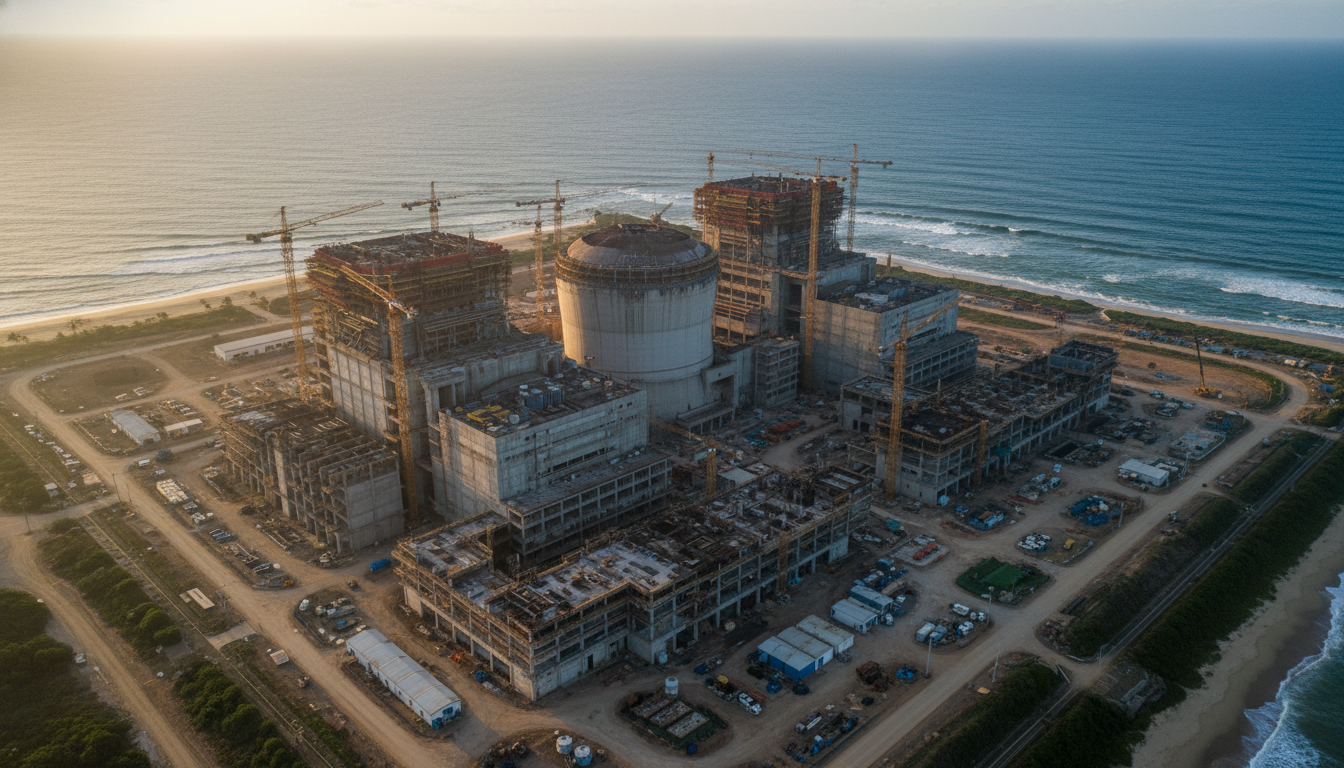
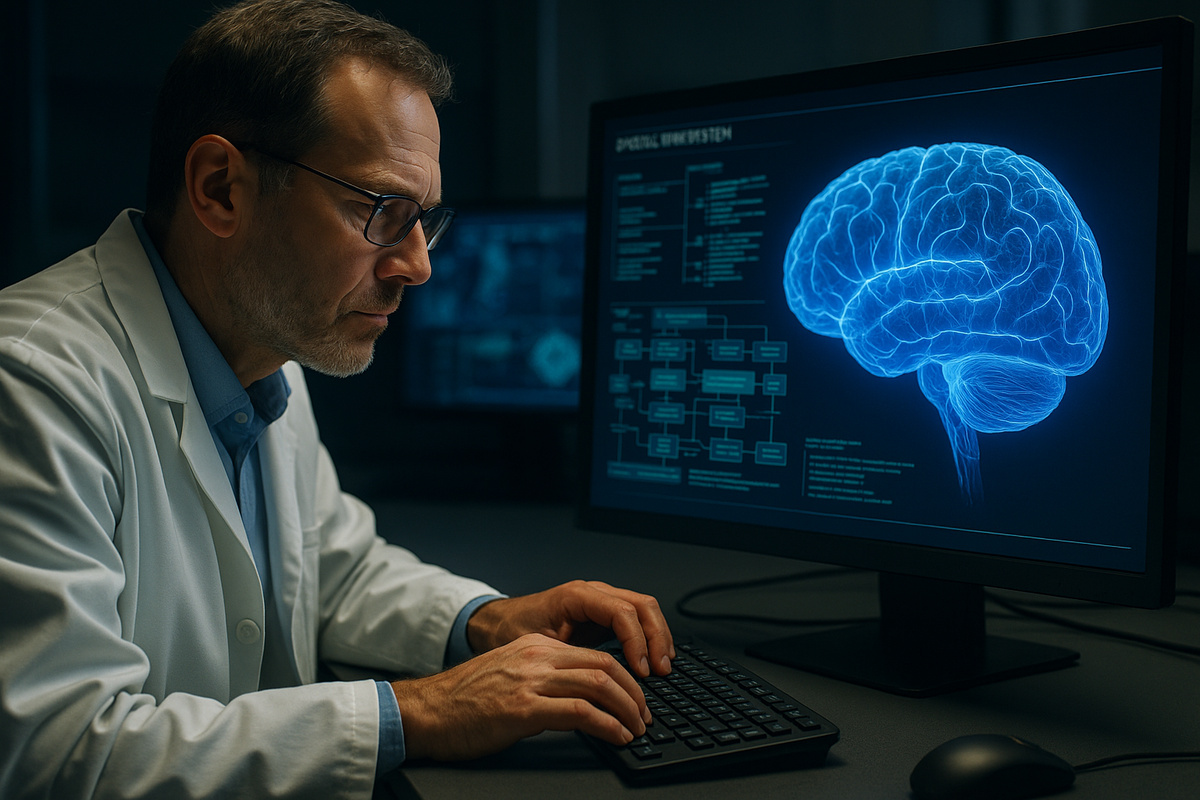
The Russian state-owned company finalized the initial stage of the VIZART-RDM digital twin, a tool developed to simulate, with high precision, the reprocessing of used nuclear fuel. In addition, the system manages radioactive waste, one of the main challenges in the sector.
Focusing on efficiency, safety, and innovation, the project aims to usher in a new technological era in atomic energy.
-
American company drills a 1,830-meter hole in Kansas using oil well technology, places a nuclear reactor inside, and claims it will generate electricity without any cooling tower.

-
Canada invests more than 2 billion dollars to upgrade an old nuclear laboratory and try to rival the world’s major atomic energy powers.
-
Nuclear company backed by Bill Gates partners with Hyundai for next-generation 345 MW nuclear reactor

-
Russia is sailing all 8 nuclear icebreakers of its fleet simultaneously for the first time in history, as the Arctic freezes two weeks earlier than expected.




Initial Stage of the Virtual System Successfully Completed
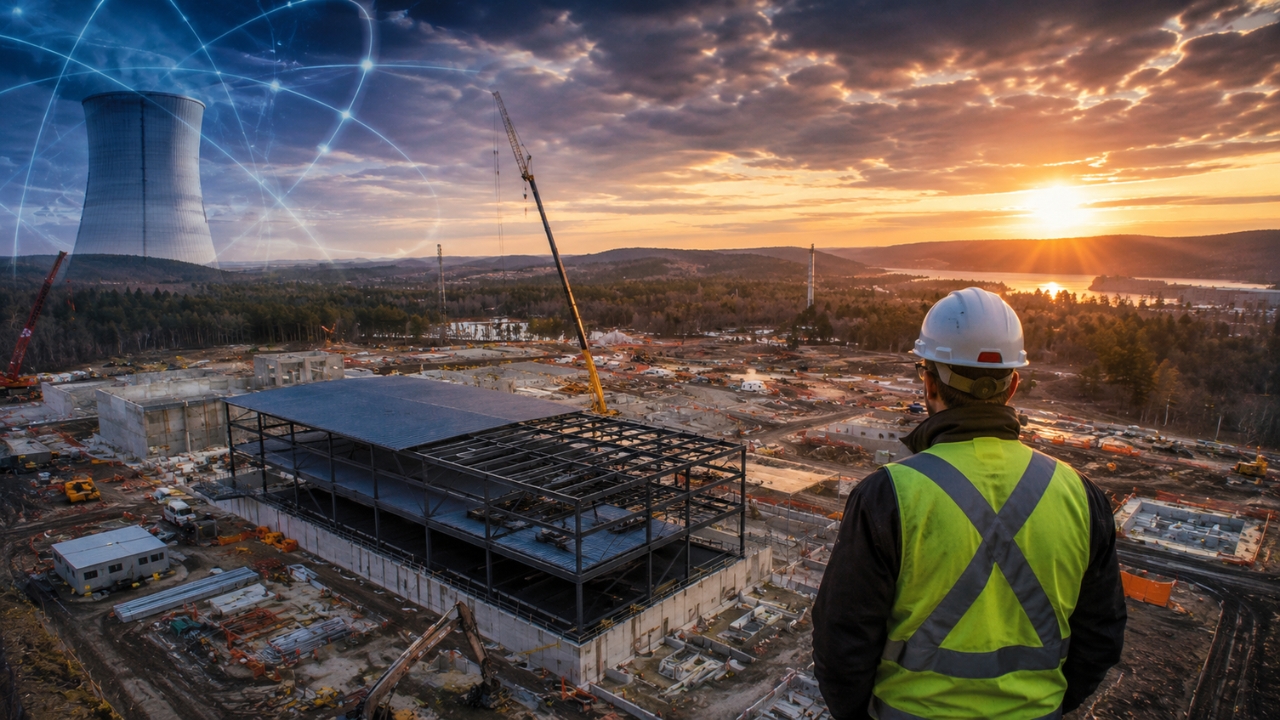
To achieve this milestone, Rosatom joined forces with various Russian scientific institutions. Among them are the Private Institute of Science and Innovation, the A.A. Bochvar Institute, and the V.G. Khlopin Institute. All are recognized for their technical excellence.
According to TVEL, Rosatom’s fuel division, the central concept of the system was completed in June 2025. From there, the developers moved on to creating the final software.
According to Pavel Nechaev, the project coordinator, the digital system allows for the analysis of all stages of radiochemical processes with accuracy. This reduces operational risks and accelerates strategic decisions.
Tool Could Change the Future of Nuclear Energy
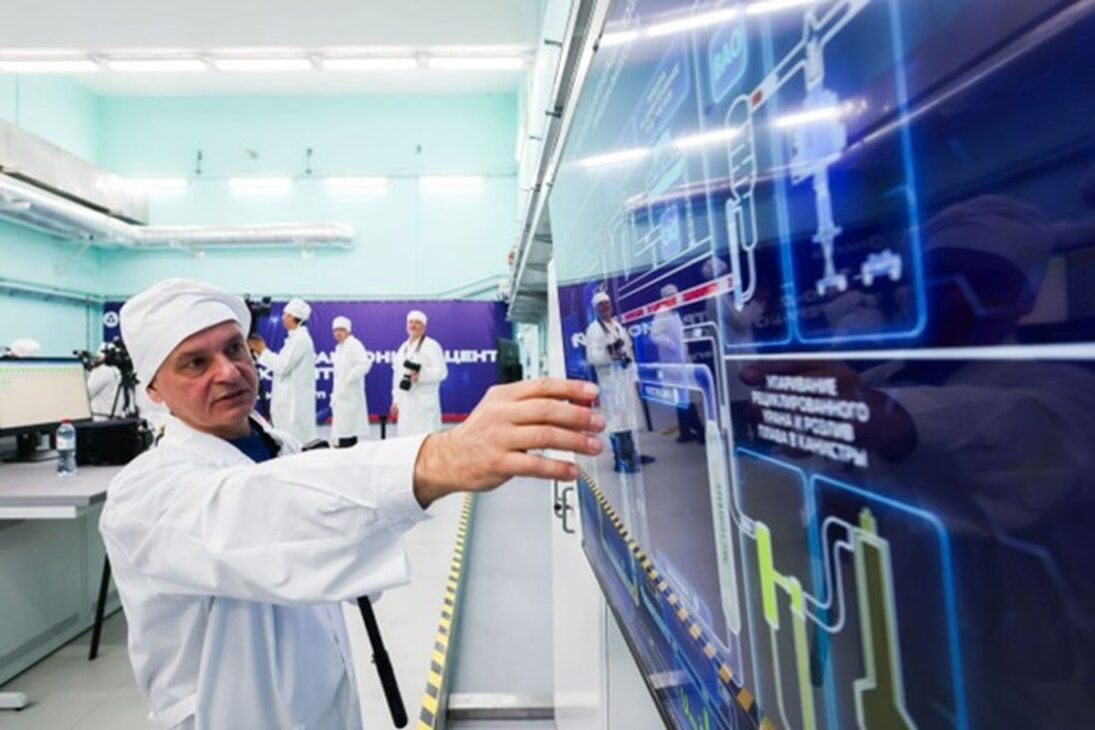
With the VIZART-RDM, Rosatom aims to completely transform the way power plants handle irradiated fuel. As a result, a safer and more efficient operation is expected.
Among its features, the system allows:
- To replace manual calculations with automated models, minimizing human errors;
- To simulate complex radiochemical processes, speeding up technical and regulatory decisions;
- To analyze reagents, waste, and production cycles with high reliability;
- To increase the productivity of nuclear units sustainably.
In addition, the project is tied to the Proryv program, responsible for the development of fast reactors with closed cycles, one of Russia’s bets for the future of atomic energy.
Evgeny Pidoprigora from TVEL emphasized that digitalization is one of Rosatom’s strategic pillars. Therefore, the VIZART-RDM represents a decisive step in consolidating this guideline.
Direct Impacts on Science and the Nuclear Industry
With the conceptual basis defined, the next steps involve programming the main software. For this, technicians adopt agile practices and constant updates.
The goal is to ensure high performance in data processing, in addition to making the interface simple and intuitive for operators. As a result, the aim is to expand the adoption of technology in reprocessing units.
According to statements from Rosatom, the VIZART-RDM has already become a reference in the Russian nuclear sector. This is because it combines technical rigor with digital flexibility.
Safe and Sustainable Reprocessing
Although the focus is on innovation, the environmental benefits of the system are also significant. The proposal aims to resolve the historical dilemma of accumulating radioactive waste.
Through the digital twin, it will be possible to:
- Reuse used fuel, decreasing the amount of waste;
- Reduce the risks of accidents involving irradiated material;
- Avoid open-air deposits and severe environmental impacts;
- Increase the sustainability of the energy generation cycle.
In addition, the technology supports the closed cycle model, in which the same fuel is recycled multiple times, maximizing the use of natural resources.
Institute of Science and Innovation Leads the Advancement
The Institute of Science and Innovation, the main technical responsible for the project, acts as the operator of the Single Sectoral Thematic Plan (ETTP). More than 100 scientific projects are managed by it each year.
In addition, the institute:
- Supports nuclear companies in protecting intellectual property;
- Invests in training new researchers in the field of radiochemistry;
- Coordinates Rosatom’s participation in the Decade of Science and Technology (2022–2032).
For all these reasons, the role of the entity is considered essential for the success of the VIZART-RDM and for the advancement of the sector as a whole.
Digitalization Strengthens Technological Sovereignty
Digitalization has been a central axis in Russia’s strategy since 2023. In this context, Rosatom has begun to invest heavily in the development of national technologies.
Reports from the state-owned company itself point out that the use of digital twins strengthens the country’s scientific sovereignty. This is because it reduces external dependencies and raises the quality of internal processes.
With automation and the use of artificial intelligence, it will be possible to:
- Drastically reduce operational errors;
- Increase agility in responses to technical incidents;
- Standardize the operation of nuclear plants with maximum efficiency.
By the end of 2026, the VIZART-RDM should be fully operational in Rosatom’s units, serving as a reference for other nations with advanced nuclear programs.
In July 2025, Rosatom completed the first stage of an ambitious project that promises to redefine modern nuclear energy. Since then, the initiative has attracted international attention.
The Russian state-owned company finalized the initial stage of the VIZART-RDM digital twin, a tool developed to simulate, with high precision, the reprocessing of used nuclear fuel. In addition, the system manages radioactive waste, one of the main challenges in the sector.
Focusing on efficiency, safety, and innovation, the project aims to usher in a new technological era in atomic energy.
Initial Stage of the Virtual System Successfully Completed
To achieve this milestone, Rosatom joined forces with various Russian scientific institutions. Among them are the Private Institute of Science and Innovation, the A.A. Bochvar Institute, and the V.G. Khlopin Institute. All are recognized for their technical excellence.
According to TVEL, Rosatom’s fuel division, the central concept of the system was completed in June 2025. From there, the developers moved on to creating the final software.
According to Pavel Nechaev, the project coordinator, the digital system allows for the analysis of all stages of radiochemical processes with accuracy. This reduces operational risks and accelerates strategic decisions.
Tool Could Change the Future of Nuclear Energy
With the VIZART-RDM, Rosatom aims to completely transform the way power plants handle irradiated fuel. As a result, a safer and more efficient operation is expected.
Among its features, the system allows:
- To replace manual calculations with automated models, minimizing human errors;
- To simulate complex radiochemical processes, speeding up technical and regulatory decisions;
- To analyze reagents, waste, and production cycles with high reliability;
- To increase the productivity of nuclear units sustainably.
In addition, the project is tied to the Proryv program, responsible for the development of fast reactors with closed cycles, one of Russia’s bets for the future of atomic energy.
Evgeny Pidoprigora from TVEL emphasized that digitalization is one of Rosatom’s strategic pillars. Therefore, the VIZART-RDM represents a decisive step in consolidating this guideline.
Direct Impacts on Science and the Nuclear Industry
With the conceptual basis defined, the next steps involve programming the main software. For this, technicians adopt agile practices and constant updates.
The goal is to ensure high performance in data processing, in addition to making the interface simple and intuitive for operators. As a result, the aim is to expand the adoption of technology in reprocessing units.
According to statements from Rosatom, the VIZART-RDM has already become a reference in the Russian nuclear sector. This is because it combines technical rigor with digital flexibility.
Safe and Sustainable Reprocessing
Although the focus is on innovation, the environmental benefits of the system are also significant. The proposal aims to resolve the historical dilemma of accumulating radioactive waste.
Through the digital twin, it will be possible to:
- Reuse used fuel, decreasing the amount of waste;
- Reduce the risks of accidents involving irradiated material;
- Avoid open-air deposits and severe environmental impacts;
- Increase the sustainability of the energy generation cycle.
In addition, the technology supports the closed cycle model, in which the same fuel is recycled multiple times, maximizing the use of natural resources.
Institute of Science and Innovation Leads the Advancement
The Institute of Science and Innovation, the main technical responsible for the project, acts as the operator of the Single Sectoral Thematic Plan (ETTP). More than 100 scientific projects are managed by it each year.
In addition, the institute:
- Supports nuclear companies in protecting intellectual property;
- Invests in training new researchers in the field of radiochemistry;
- Coordinates Rosatom’s participation in the Decade of Science and Technology (2022–2032).
For all these reasons, the role of the entity is considered essential for the success of the VIZART-RDM and for the advancement of the sector as a whole.
Digitalization Strengthens Technological Sovereignty
Digitalization has been a central axis in Russia’s strategy since 2023. In this context, Rosatom has begun to invest heavily in the development of national technologies.
Reports from the state-owned company itself point out that the use of digital twins strengthens the country’s scientific sovereignty. This is because it reduces external dependencies and raises the quality of internal processes.
With automation and the use of artificial intelligence, it will be possible to:
- Drastically reduce operational errors;
- Increase agility in responses to technical incidents;
- Standardize the operation of nuclear plants with maximum efficiency.
Do you believe that other countries should follow this path and invest in digital twins to modernize their nuclear plants?