






 Portuguese
  Spanish


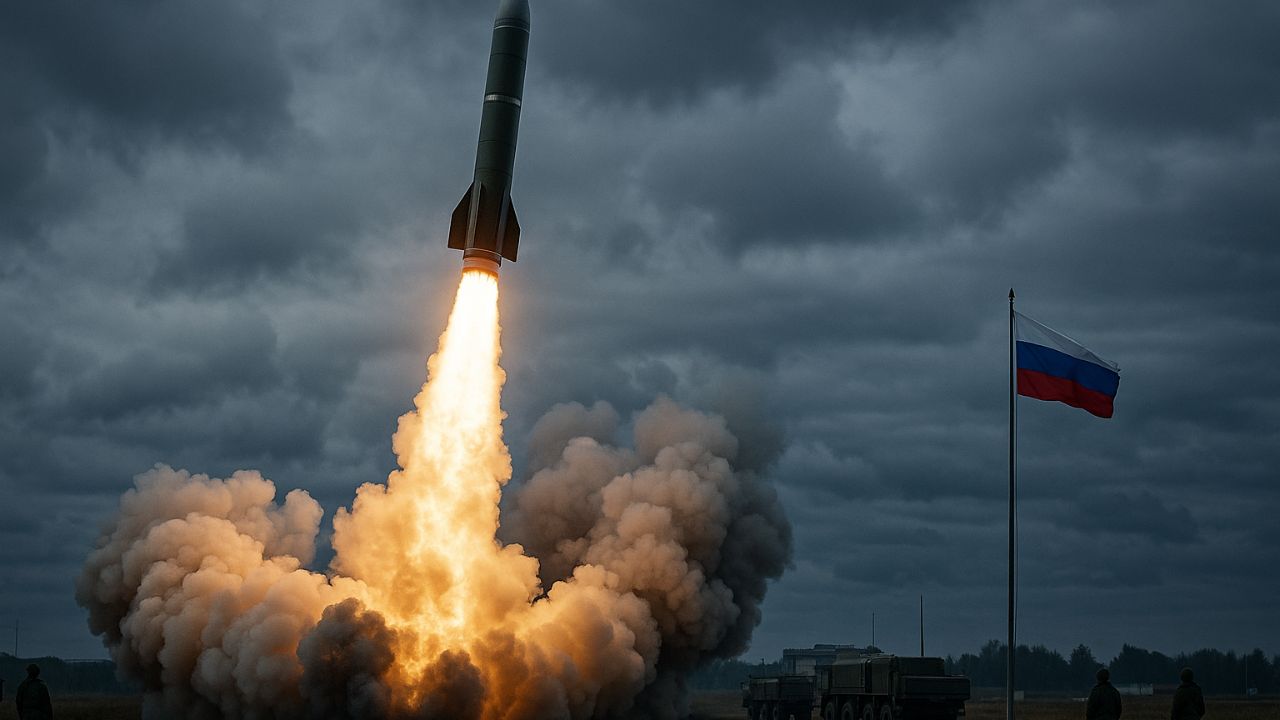

Russia Tests Nuclear Missile Burevestnik, Described by Putin as an “Invincible Weapon” Capable of Evading Any Defense System.
On October 21, Russia conducted the test of the nuclear missile Burevestnik, also known by NATO as SSC-X-9 Skyfall. The launch, which covered 14,000 kilometers and stayed in the air for 15 hours, was described by President Vladimir Putin as a military and technological milestone.
According to him, it is an “invincible weapon,” capable of overcoming any existing defense system.
Putin stated that the Burevestnik represents an unprecedented advancement in Russia’s deterrent capability.
-
U.S. Air Force Launches Air-to-Air Missile Project with Range of Up to 1,850 km for Indo-Pacific Operations

-
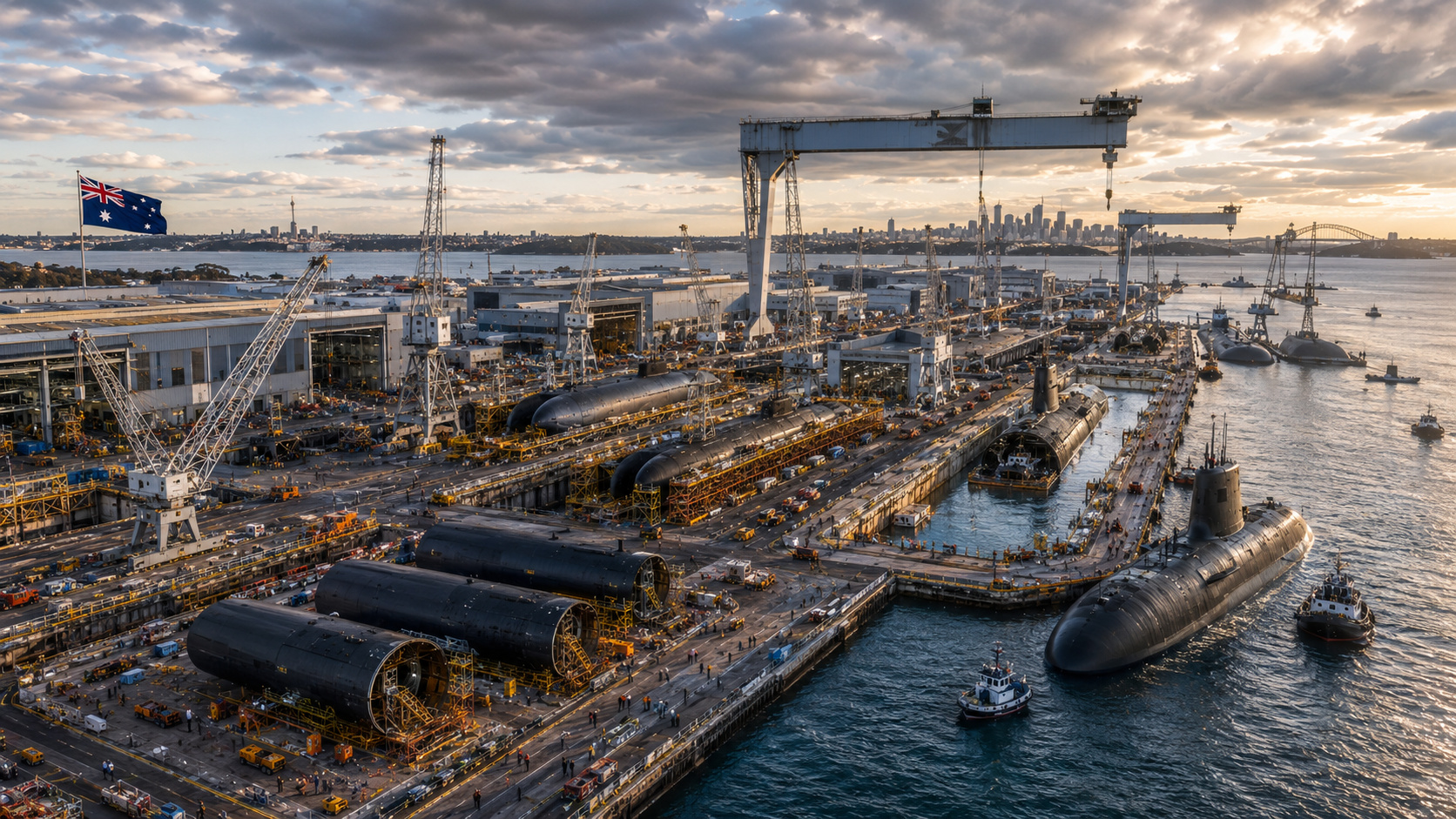
Australia to Deploy Up to 8 Nuclear-Powered Submarines in Indo-Pacific, Establishes Billion-Dollar Naval Chain Through AUKUS, Joining Elite Group Capable of Extended Underwater Missions

-
Indonesia Begins Construction of 2,000-Ton Scorpène Stealth Submarines with Advanced Weaponry and French Steel

-
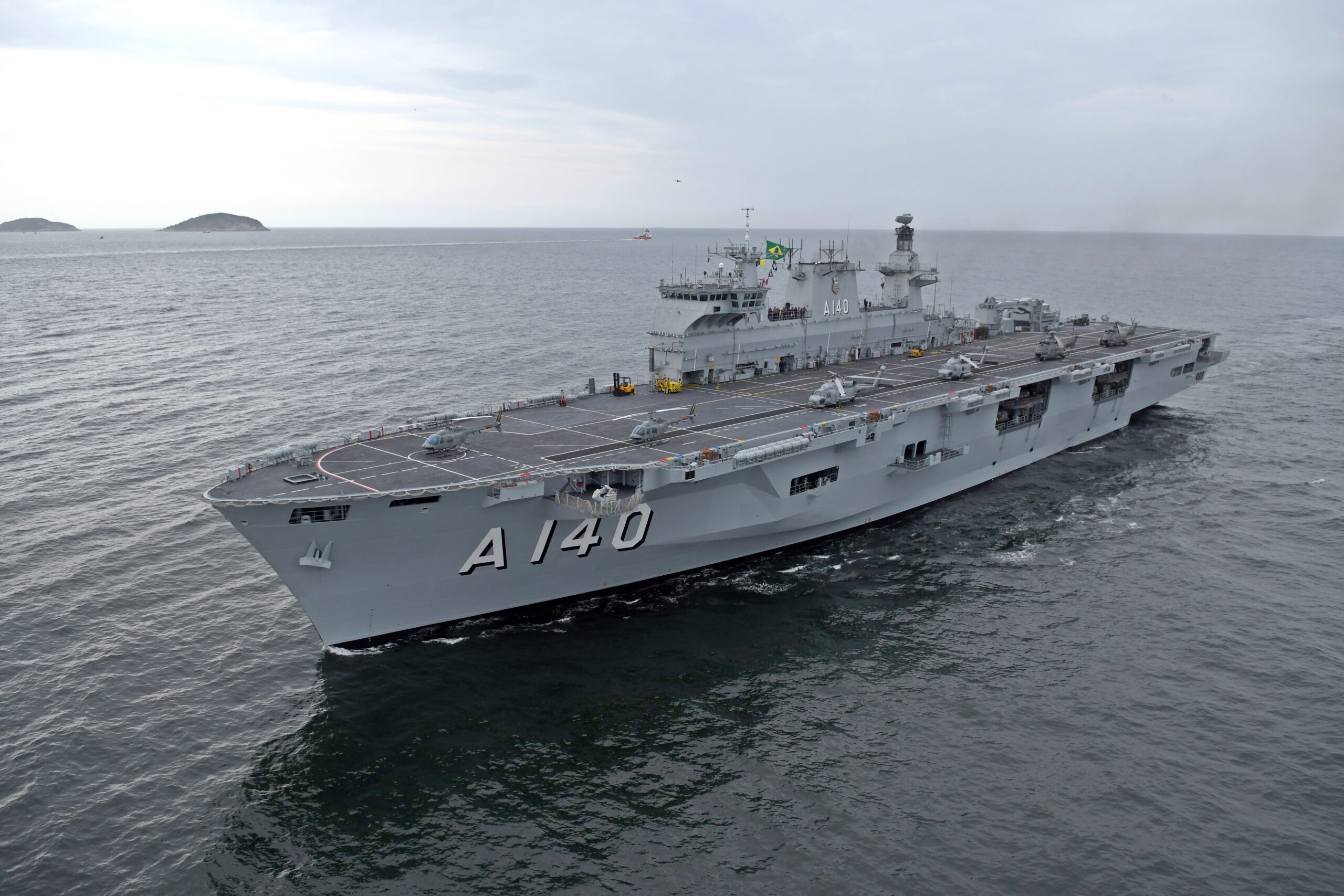
Brazil’s Largest Navy Ship, NAM Atlântico, Transforms into Field Hospital During National Crises



He declared that “it is a unique product that no one else in the world has,” highlighting the innovative nature of the project.
Burevestnik: Russia’s New Bet in the Arms Race
The missile 9M730 Burevestnik, whose name means “seabird petrel,” uses nuclear propulsion, which gives it practically unlimited range.
This feature makes it particularly difficult to detect and intercept, since it can change course during its flight and circumvent missile defense zones.
According to the Russian government, crucial tests were successfully completed, reinforcing the weapon’s viability.
The Russian president acknowledged that part of the scientific community doubted the project’s completion, but assured that development is now in the consolidation phase.
Putin Calls for Progress in Russian Military Infrastructure
During the presentation of results, Vladimir Putin met with the Chief of the General Staff of the Armed Forces, Valery Gerasimov, and determined that the government evaluate the infrastructure necessary for the implementation of the nuclear missile.
According to the president, the classification of the Burevestnik within the Russian strategic arsenal will be discussed in the next stages of the program.
“The strategic forces can ensure the national security of the Russian Federation and the Union State as a whole,” Putin declared, reaffirming the central role of nuclear weapons in the country’s defense policy.
Global Nuclear Balance: Russia and the U.S. Account for 87% of Warheads
Currently, Russia and the United States hold about 87% of the world’s nuclear weapons, equivalent to thousands of warheads capable of destroying the world multiple times.
Data from the Federation of American Scientists (FAS) indicate that Russia has 5,459 nuclear warheads, while the U.S. maintains around 5,177.
This fragile balance of power reinforces the symbolic and strategic nature of the new Russian missile.
The introduction of the SSC-X-9 Skyfall raises international concerns about a new arms race and the impacts of nuclear propulsion weapons.
Burevestnik and Russia’s Deterrent Power
With the Burevestnik, Moscow seeks to reaffirm its role as a global military power.
The nuclear missile combines prolonged autonomy, trajectory unpredictability, and massive destructive payload, characteristics that, according to experts, may redefine the concept of strategic security.
Although the Kremlin keeps details secret, the success of the test marks a significant advancement in the modernization of the Russian arsenal.
For Vladimir Putin, the message is clear: Russia is prepared to guarantee its sovereignty and reinforce its leadership role in an increasingly tense international scenario.







