Portuguese
  Spanish



Sindipetro-RN Demands Action from Public Authorities to Tackle Crisis in the Oil Sector After Layoffs, Labor Complaints, and Economic Contraction Caused by Petrobras’ Exit from the State
On the morning of last Monday, May 12, the Union of Oil Workers of Rio Grande do Norte (Sindipetro-RN) held a meeting with state deputies Isolda Dantas and Divaneide Basílio. The objective was to discuss the worsening crisis in the oil sector in the state and present proposals to reverse the impacts of Petrobras’ exit and the fragility of private operators.
Increase in Layoffs and Operational Difficulties
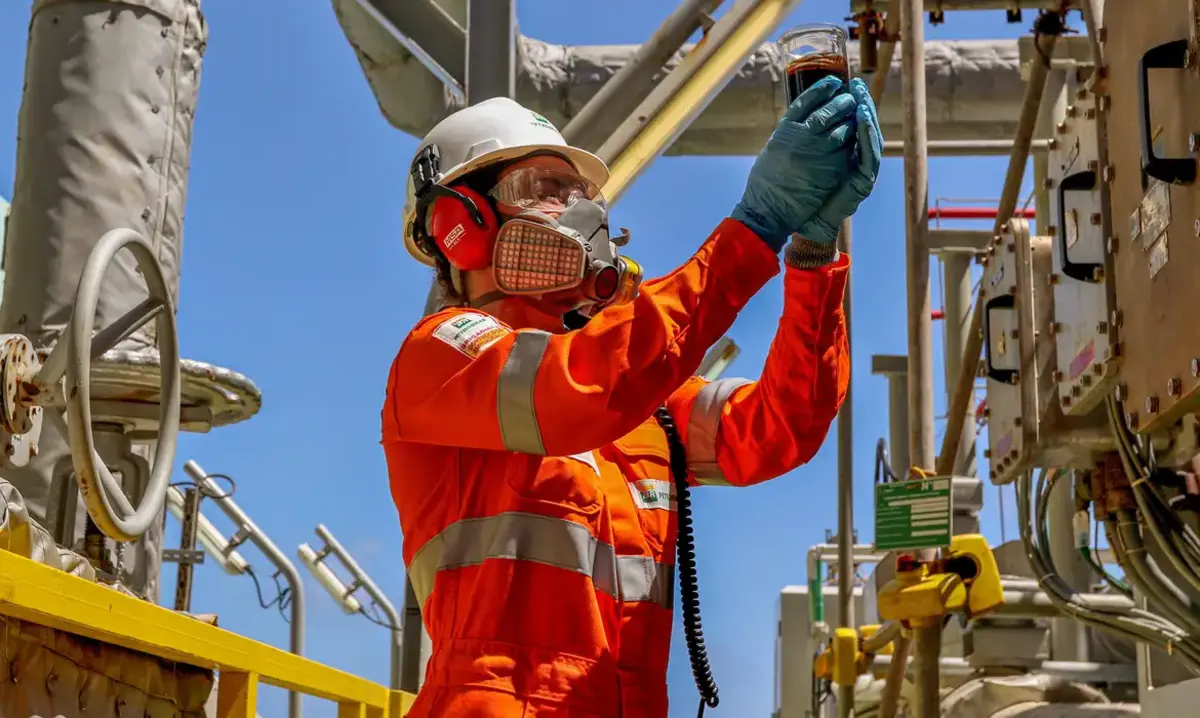
According to the union, more than 200 workers were laid off in recent weeks. The layoffs occurred mainly in operational areas of Guamaré, Alto do Rodrigues, and offshore platforms.
Sindipetro-RN warns that the trend is worsening due to the delicate financial situation of private companies. According to the entity, these operators are facing delays in payments to suppliers and difficulties in maintaining regular production.
-
Oil production grows in Rio, but reserve replacement raises a warning sign

-
Petrobras is expected to complete the drilling of the Morpho well in the Foz do Amazonas in August 2026, the first well in the Equatorial Margin, an oil frontier that the ANP estimates at more than 30 billion barrels and could redraw the map of Brazil.

-
Oil returns to the center of concerns with tension between the US and Iran

-
IEA reduces forecast for global oil demand in 2026 after impacts of the Middle East crisis



Report of Labor Irregularities
During the meeting, the union also reported labor irregularities. One of the main complaints was the non-payment of hazard pay to employees working in high-risk areas, such as at the Guamaré refinery and other units in the interior of the state.
The union believes that these practices violate legislation and compromise the safety and dignity of the workers.
Proposals to Reverse the Crisis
The company Brava Energy, currently responsible for part of the operations in the state, was indicated as one of the biggest concerns. In light of this, Sindipetro-RN presented a set of proposals to the mandates of the deputies.
Among the suggestions is the articulation of a partnership between Brava and Petrobras. The idea is to leverage the state-owned company’s structure to expand production with social and environmental responsibility.
Another proposal presented is the repurchase of concessions by Petrobras, aimed at recovering part of the state’s productive capacity.
The union also advocates for a meeting with the State Government to discuss technical and financial support for Brava, including a possible line of credit through BNDES. The estimate is that this measure could generate up to 15,000 direct and indirect jobs.
Additionally, the union suggested the formation of consortiums with private companies willing to invest between R$ 3 billion and R$ 5 billion in a five-year expansion plan.
It was also argued that studies should be deepened for the expansion of the Clara Camarão refinery and the creation of a green hydrogen hub.
Prospects for the Potiguar Energy Sector
Among the highlighted future opportunities is the Pitu-Oeste block, in the Equatorial Margin, which already has licenses released. According to the union, each well drilled there can produce up to 12,000 barrels per day. With four wells, Rio Grande do Norte could double its current oil production.
Finally, Sindipetro-RN mentioned Petrobras’ strategic plan for the period from 2025 to 2029. The plan foresees R$ 24 billion in investments in renewable energies.
The union proposed that the mandates advocate with the state-owned company for the installation of a solar or wind energy project of 1 gigawatt in the state. This investment could attract up to R$ 5 billion and generate thousands of jobs during construction, in addition to 500 permanent positions after completion.
According to Sindipetro-RN, Petrobras’ exit brought unemployment and uncertainty. However, with political articulation and public investment, the union believes it is still possible to change this scenario.
With information from Saiba Mais.