Portuguese
  Spanish


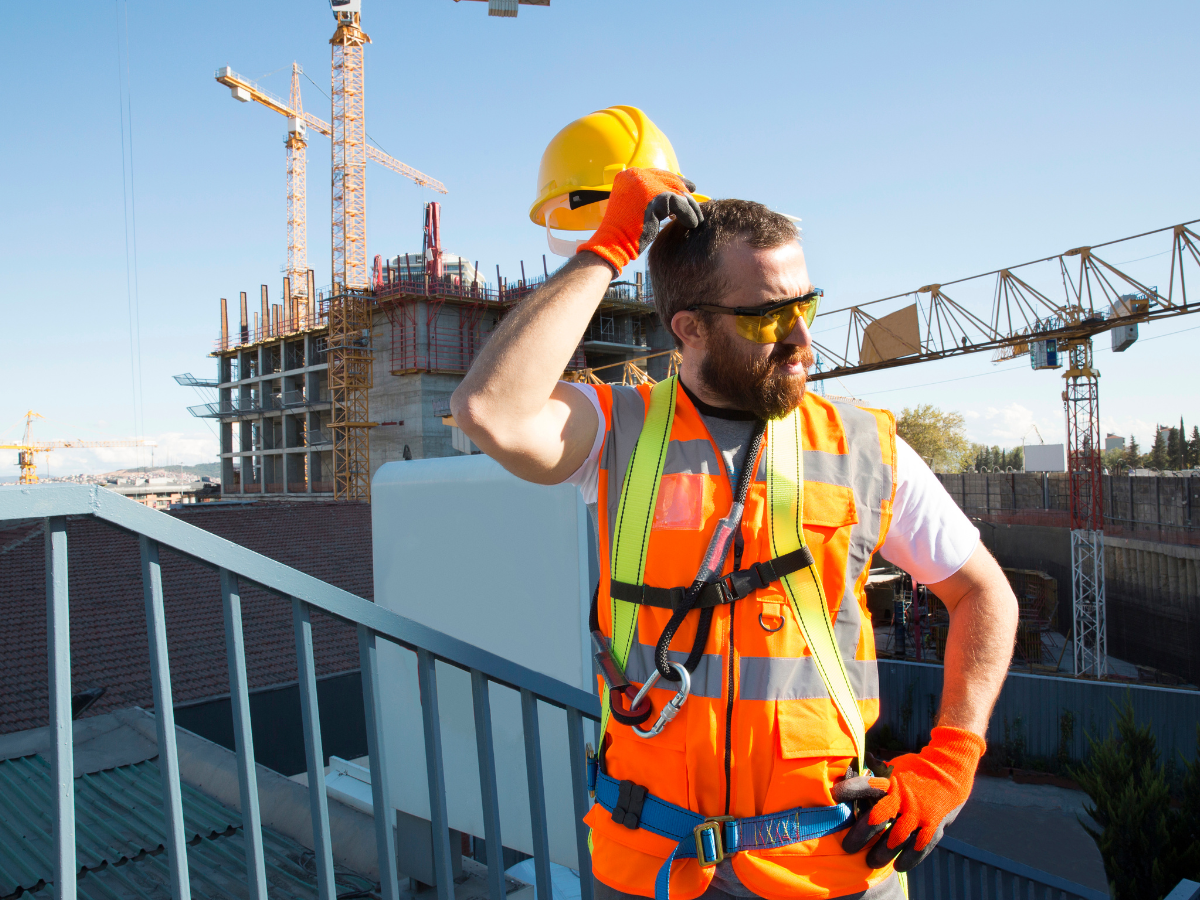

Average Salary in Construction Fell from 2.7 to 2.1 Minimum Wages in Ten Years According to IBGE, Even with Recovery in the Number of Jobs in the Sector.
The average income of those working in construction in Brazil has experienced a significant decline in the last decade. According to the Annual Survey of the Construction Industry (Paic), released by IBGE, the average salary in the sector dropped from 2.7 to 2.1 minimum wages between 2014 and 2023 — a reduction of 22%. The survey highlights that, even with the recovery of job numbers after the pandemic, salaries are still below previously recorded levels.
Which Segment of the Construction Industry Has the Highest Salary?
Despite the widespread decline, infrastructure projects continue to offer the best salaries in the sector.
This category, which includes the construction of highways, railways, sewage systems, and power supply, had an average of 2.6 minimum wages in 2023.
-
U.S. City Builds Tiny Home Village on Water Company Land to House 136 Homeless People: Inside the Social Housing Units

-
Woman Turns Shipping Container into Home, Embraces Rural Life to Cut Monthly Expenses to Just Over $330
-
France Revamps 530 Social Housing Units with Large Balconies and Glass Facades Without Demolishing Existing Buildings

-
Facing high rent, couple transforms parents’ garage into a fully functional apartment, creating a complete home at a fraction of the market cost.




However, this figure represents a decline of 29% compared to the 3.7 minimum wages recorded in 2014.
Salaries in Other Segments
In building construction, the average salary also decreased: it fell from 2.3 to 1.9 minimum wages, a loss of 17%.
Meanwhile, professionals working in specialized services of the construction industry, such as electrical installations, demolitions, and finishes, saw their earnings shrink from 2.2 to 2 minimum wages — a retraction of 9%.
Has the Number of Jobs Decreased as Well?
Yes. The total number of jobs in construction fell by 15% between 2014 and 2023, reaching 2.5 million positions.
Despite the loss over the decade, there was progress compared to 2020, a year affected by the COVID-19 pandemic, with a 25% increase in the number of workers employed in the sector.
Has Any Area of Construction Grown?
Only the specialized services segment recorded growth during the analyzed period, with a 4% increase in job positions.
On the other hand, building construction experienced a 29% decline, and infrastructure projects lost 20% of the jobs they maintained in 2014.
Even with the decline in salaries and jobs, the sector continues to have high financial movement. The 165,800 construction companies recorded a total revenue of R$ 484.2 billion in 2023.
Residential projects accounted for 22% of this total. Specialized services and infrastructure projects each represented about 20%.
Which Regions Lead the Construction Market?
The Southeast and Northeast regions continue to lead, together representing 67.9% of the value generated by construction in the country. However, both saw a slight decrease in participation compared to 2014.
The South region, on the other hand, significantly increased its presence in the market, rising from 12.8% to 16.2%. The Midwest also grew, albeit more subtly, from 9.3% to 9.4%.
Source: CNN.