Portuguese
  Spanish


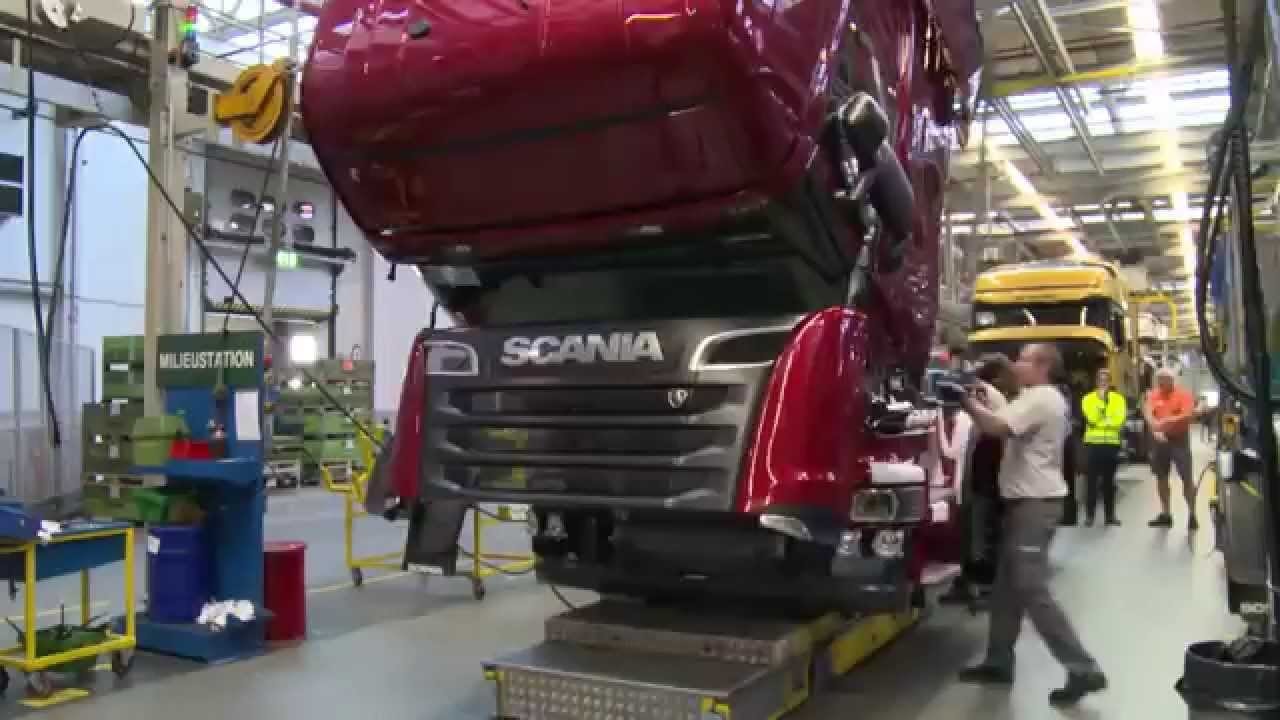

Scania, Which Has a Truck Factory in ABC Paulista, Partners with Congás to Increase the Number of Fueling Stations with Natural Gas and Biomethane in SP
Caipira Pre-Salt: Scania, one of the world’s leading manufacturers of heavy trucks, buses, and industrial and marine engines, has just announced a partnership with Comgás, Brazil’s largest distributor of natural gas, to develop joint actions and accelerate the development of the natural vehicle gas (NGV) and biomethane market for heavy commercial vehicles.
Also Read
- Multinationals Scania, Volvo, and Mercedes-Benz Halt Vehicle Production in Brazil
- After Ford Withdraws from the Country, Volkswagen Announces New Cycle of Investments and Vehicle Production in SP Factory
- After Volkswagen, Ford, Chevrolet, and Fiat, Multinational Yamaha Suspends Motorcycle Production in Its Factories and Puts Employees on Collective Vacation
- Raízen Opens 141 Job Vacancies to Work at the Ethanol Plants in São Paulo and Other Brazilian States on May 17
- Raízen, Brazil’s Giant Ethanol Producer, Invests R$ 345 Million in Agricultural Fleet to Increase Production and Reduce Costs
First, the giants will map corridors and logistics routes in the state of São Paulo to develop a plan to increase strategic fueling points, as well as assess the installation of stations in the transporter’s operation.
“This initiative is essential to boost the development of distribution infrastructure and expand fueling options,” summarizes Christopher Podgorski, CEO of Scania Latin America, in a statement. “The partnership will reduce barriers to enabling sustainable transportation solutions.”
-
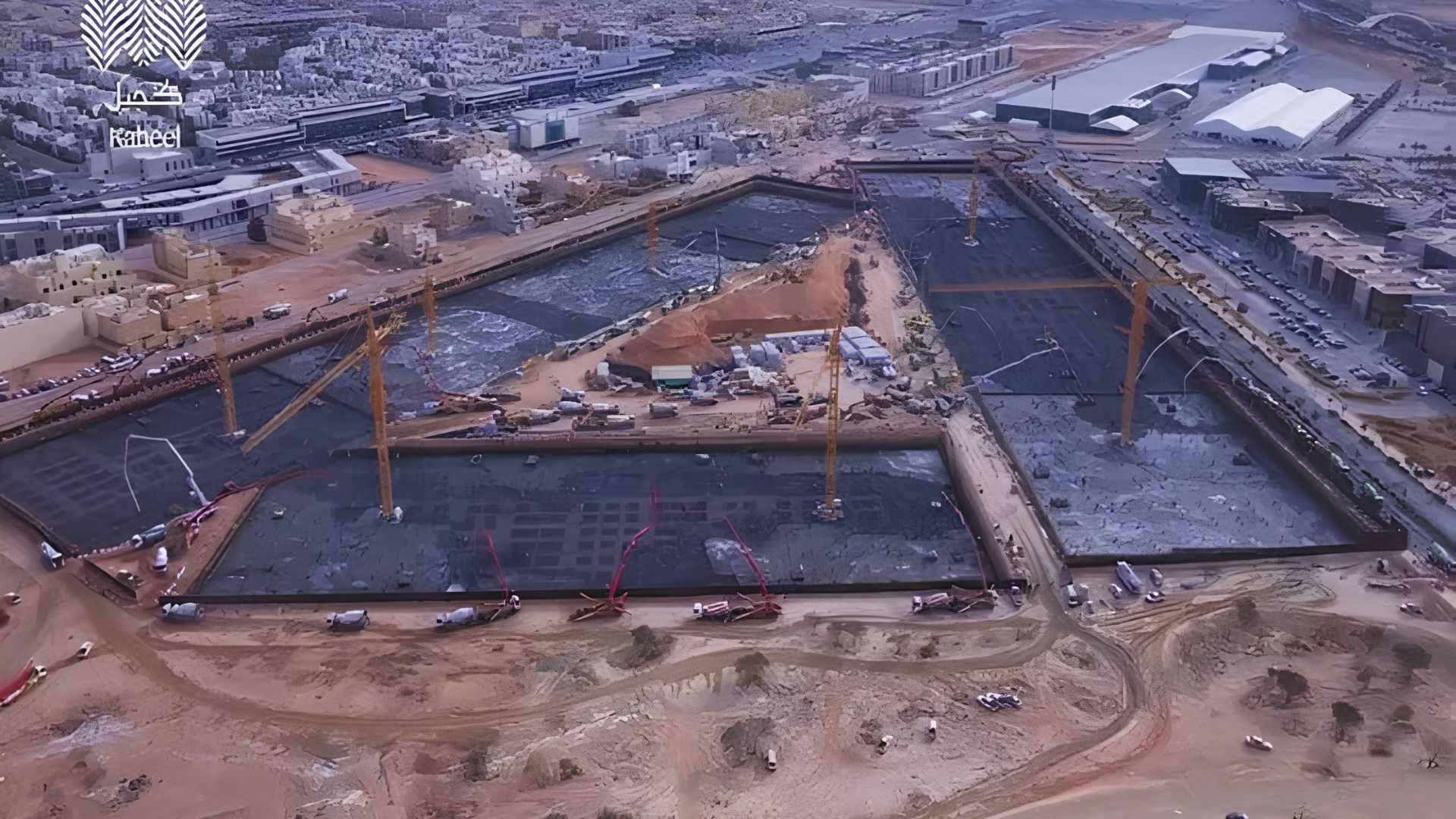
More than 6,000 trucks poured nearly 70,000 cubic meters of concrete without interruption for 72 hours to create the largest continuous concrete pour in history and erect a megaproject in Saudi Arabia.

-
28-meter, 156-ton titans traveled 20,000 km from China to the port of Santa Catarina: Portonave received 7 fully electric megacranes, part of a R$ 210 million package, to double container handling.
-
They exchanged the idea of a large house for a 35 m² warehouse, spent US$ 12,000 on the structure, and created a tiny house in Colorado with space to live and work.

-
A newly opened terminal in the middle of the Amazon has begun transporting soy and corn through Amapá, eyeing the queue of ships that is congesting the ports in the South.



The heavy truck manufacturer Scania aims for caipira pre-salt in the company’s global strategy to lead the transformation of transportation into a more sustainable business and embrace natural gas as an alternative to diesel.
Since March of last year, the manufacturer has been producing gas-powered trucks at its factory located in São Bernardo do Campo (SP). The decision followed the launch of the new generation of heavy-duty vehicles.
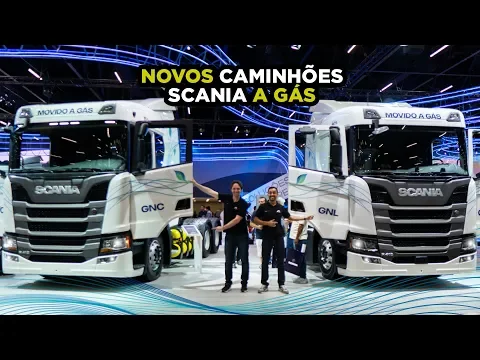

Scania Aims for Zero Carbon Emissions. Though a Fossil Fuel, Natural Gas Is Less Polluting Compared to Petroleum Diesel
To enhance the natural gas market, Comgás is expanding its pipeline network in strategic locations, which would enable the use of an energy source with almost zero CO2 emissions, similar to what already occurs in Europe.
“Natural gas is an energy solution utilized by various developed and developing countries because it has low pollution levels and abundant supply in the global market,” says Antonio Simões, CEO of Comgás.
According to the companies, the heavy fleet powered by NGV emits up to 90% less local action pollutants – such as NOx and particulate matter, compared to a similar diesel product.
“Within cities, where natural gas can be applied in public transportation, with the technology of our gas-powered buses we can reduce particulate matter emissions to almost zero, a local action pollutant that is carcinogenic and responsible for increased deaths caused by respiratory diseases,” explains Podgorski.
“Caipira Pre-Salt”: Raízen’s Biomethane Plant in SP Can Produce Energy to Supply a City of 150,000 Inhabitants for One Year
The largest biogas plant from agricultural raw materials in the world was inaugurated last Friday (16) by Raízen, Brazil’s giant ethanol producer. The facility was named ‘caipira pre-salt’ by the Minister of Mines and Energy, Bento Albuquerque, who attended the ceremony.
Located in Guariba (SP), 340 kilometers from São Paulo, Raízen’s biogas plant based on sugarcane byproducts can produce electrical energy to supply a city of 150,000 inhabitants for one year. The plant estimates a production of 138,000 megawatt-hours (MWh) starting from the 2021/22 harvest, with a start planned for April.
In the production process, bacteria will transform the byproducts into biogas. Then, the produced gas is transported via pipelines to generators, where it will be burned and converted into electric energy.
Caipira Pre-Salt
The hidden treasure in the interior of Brazil, called ‘caipira pre-salt’ by the minister, concerns biogas, a renewable and abundant energy source produced from agricultural waste, which has the advantage of being located near productive hubs scattered throughout the country, but is still underexplored.
The minister of Mines and Energy, Bento Albuquerque, named the operation ‘caipira pre-salt’, in reference to the oil and natural gas reserves found by Petrobras more than seven thousand meters below the Brazilian sea level in 2006.
“Biogas and biomethane, in addition to being used in electric energy generation, can also replace the diesel oil used in buses, trucks, and agricultural machinery. Or even, in the case of biomethane, be generated in the gas pipeline network (…) It is the caipira pre-salt,” he stated.
In Brazil, 521 biogas plants were operational in 2019, according to a survey by the Brazilian Biogas Association. Of these, the majority generate energy from pig farming, followed by landfill waste and sewage, and also from sugarcane derivatives, such as straw.