Portuguese
  Spanish


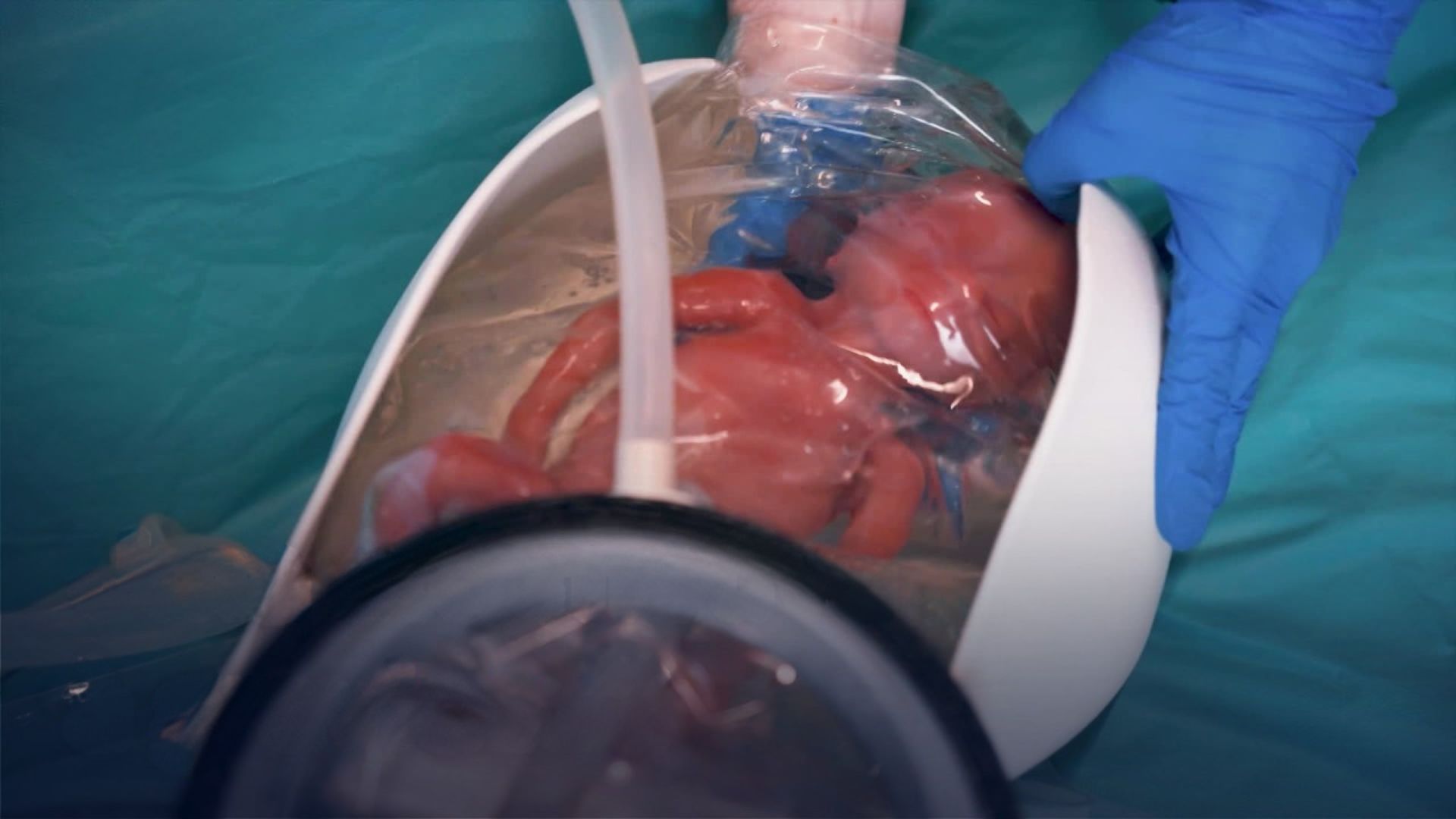

At the Eindhoven University of Technology in the Netherlands, researchers are developing the AquaWomb, an artificial womb designed for extreme preemies born before the 28th week. The technology keeps the baby submerged in artificial amniotic fluid connected to an artificial placenta. Clinical trials are expected to take another 5 to 6 years, but the research already raises questions that go far beyond medicine.
A baby born weighing 506 grams weighs just a little more than a pack of pasta. At this stage, the lungs and brain are still far from fully developed, and the newborn cannot breathe on its own. The ventilators used today in hospitals can sustain these premature babies, but at the cost of severely damaging the delicate airways that are still forming. It is to precisely resolve this impasse that researchers at the Eindhoven University of Technology in the Netherlands are developing the AquaWomb: an artificial womb that keeps extreme preemies submerged in artificial amniotic fluid while the organs complete the development that nature did not finish.
The AquaWomb artificial womb does not intend to replace pregnancy. The Eindhoven researchers themselves are explicit about this: “The maternal womb is the best place for a baby. This is really an alternative treatment for babies born prematurely,” states the development team, as documented in the source. But the existence of the artificial womb sets in motion a chain of questions that begins in medicine and ends in politics: if technology already allows extreme preemies to survive outside the body, what is the next step? And when full-term pregnancy can happen in a lab, who will decide on access, costs, and the use of this artificial womb?
The problem the artificial womb wants to solve
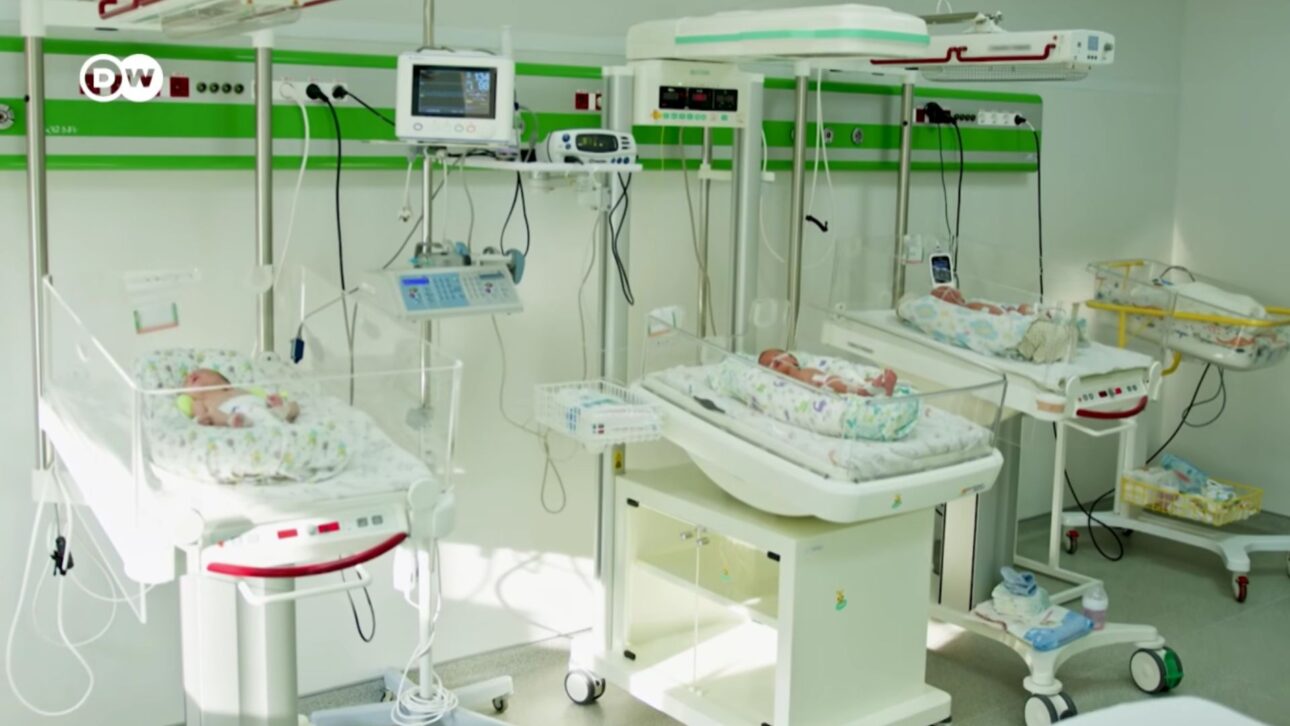
The most critical cases are those born before the 28th week, classified as extremely premature. For these newborns, the first days are decisive: even those who survive often face long-term health challenges, from developmental delays to vision, hearing, and breathing problems. The artificial uterus exists to gain the weeks that were missing.
-
Brazil Approves Non-Hormonal Drug to Alleviate Menopausal Hot Flashes, Potentially Transforming Treatment

-
Giant Phantom Halo Appears Around Remote Pacific Islands, NASA Reveals It’s Created by Tiny Marine Organisms

-
Scientists Develop Method to Store Wind and Solar Energy by Liquefying Air for On-Demand Power Generation

-
Brazilian Engineer Who Grew Up Without Electricity Develops Software, Expands AltoQi to 67,000 Clients, Aiming for $21 Million by Digitizing Brazil’s Construction Industry





The central problem that the AquaWomb artificial uterus tries to solve is mechanical and irreversible: the moment a baby is born, the lungs fill with air for the first time. After that, there is no going back. Conventional ventilators can sustain the baby, but they force immature lungs to function in a way they are not ready for, causing permanent damage. The artificial uterus keeps the lungs filled with fluid, as in the uterine environment, allowing them to mature without the violence of compressed air. The idea is simple in logic, extremely complex in execution.
How the AquaWomb artificial uterus works in practice
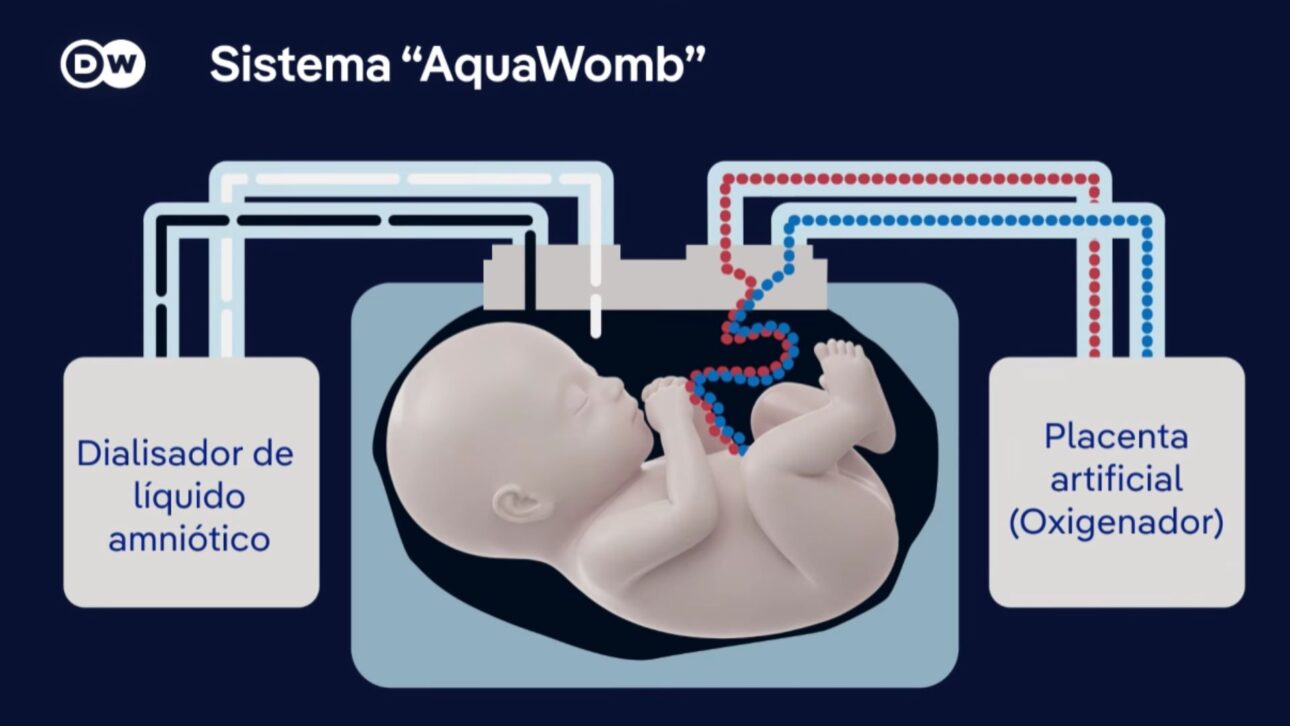
The premature baby is submerged in artificial amniotic fluid, keeping the lungs in the state they were in inside the mother’s uterus. The umbilical cord is connected to an artificial placenta, a system similar to a medical oxygenator, but which provides both oxygen and nutrients continuously. The baby’s own heart pumps the blood through this external system, just as it did inside the mother’s uterus.
For the transfer of the baby to the artificial uterus to be possible without the lungs being exposed to air, the researchers from Eindhoven developed a specific transfer procedure that keeps the baby submerged throughout the delivery. An additional device continuously filters the fluid, removing waste and maintaining a stable environment. Once the lungs mature, around the 28th week, the baby can “be born” a second time and be transferred to a conventional incubator. The artificial uterus, in this model, is not the final destination: it is the bridge between a premature birth and a birth under conditions that the organism can support.
What has been proven before AquaWomb: lambs and mouse embryos
The artificial uterus from Eindhoven does not appear out of nowhere. In 2017, a team from the United States kept a premature lamb alive and developing for several weeks in an artificial fluid-filled uterus, proving the fundamental concept that immature lungs can continue to develop outside the body in a liquid environment. The experiment with lambs does not directly transfer to humans, but it demonstrated that the basic biology of the process is viable.
In 2021, scientists in Israel went further: they grew mouse embryos in rotating incubators long enough to observe the beginning of organ and limb formation, proving that early development can occur entirely outside the uterus in controlled conditions. Mice are also not humans, and researchers are careful to highlight this difference. But the sequence of advances, from premature lambs to early-stage mouse embryos, shows that different research groups are tackling different stages of gestation with the artificial uterus as a central concept. Each experiment pushes the boundaries of what medicine considers technically possible a little further.
The clinical trials and limitations that the artificial uterus still faces
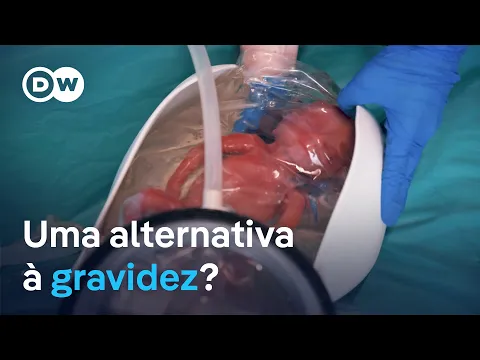

The AquaWomb is still in its early stages. Clinical trials for the system developed in Eindhoven are expected to take at least 5 to 6 years before any application in humans, according to the researchers themselves. It is a long timeline, and during this period much can change, both in technology and regulation. The artificial uterus needs to undergo rigorous safety tests before being used on real babies, and the regulatory process for this type of medical device is slow by definition.
There is also an access problem that researchers openly acknowledge: the technology is likely to be expensive, and most premature births do not occur in countries with healthcare systems capable of adopting expensive, high-complexity equipment. The highest burden of extreme prematurity is in South Asia and Sub-Saharan Africa, exactly where the artificial uterus would have the most epidemiological impact and the least structural conditions to reach. A technology that solves the problem for those who already have access to the best neonatal ICUs in the world may not reach the places where premature babies die due to a lack of basic resources.
From medicine to ectogenesis: when the artificial uterus raises other questions
The artificial uterus for extreme preemies is an emergency medical application with a clear and limited objective. But the same technological logic that supports the AquaWomb, maintaining a developing embryo or fetus outside the human body, is also the conceptual foundation of ectogenesis: complete gestation outside the uterus, from embryo to birth, without pregnancy in the mother’s body. This is not what the AquaWomb proposes, but it is where the technical logic points if advancements continue.
The line separating life generated inside the body from life sustained outside it has already begun to blur, as the source observes. In vitro fertilization, which is already routine, and neonatal intensive care units, which sustain increasingly premature infants, are steps in this direction. The artificial uterus is the next in this sequence. When each new technological advancement pushes the limits of what is viable a little earlier in fetal development, the question ceases to be whether complete ectogenesis is biologically possible and becomes when and under what conditions.
Who controls the artificial uterus: the question the researcher raises
Giulia Cavaliere, a researcher studying how new reproductive technologies affect women’s social position and autonomy, appears in the source to question a narrative often associated with the artificial uterus: that it could liberate women. The idea is seductive, more autonomy, less pressure on the body and career, but Cavaliere is cautious. “Much could be resolved through political and legal changes, rather than technological solutions. And my concern is that if we promise too much in this regard, we won’t focus on the things we could already solve now, without artificial wombs,” states the researcher.
Cavaliere argues that even if complete ectogenesis became possible, it might not resolve gender inequality, and could even reinforce it, especially if access to the artificial uterus remains limited by income, location, or healthcare system. Pregnancy is already a political experience: regulated, debated, contested. If gestation migrates from the body to the laboratory, the question that remains is whether women will gain freedom or lose control over a process that is currently still theirs.
The dialogue society has not yet had about the artificial uterus
The Eindhoven team itself, when presenting the AquaWomb as an emergency medical tool, acknowledges that larger questions inevitably arise around the technology. The researchers call for a broad social dialogue about whether and how to develop these technologies, and who should decide on access to them. Parents? Clinics? Companies? Governments? The question is not rhetorical: each of these actors has different interests, and the artificial uterus as a commercial product would create dynamics that medicine alone would not be able to regulate.
The debate about the artificial uterus comes at a time when discussions about reproductive rights are at the center of politics in several countries. Adding a technology capable of sustaining a pregnancy outside the human body to this debate does not simplify anything. On the contrary, it adds layers of ethical, legal, and economic complexity that political systems have not yet been called upon to resolve. The artificial uterus could save extremely premature babies in the coming years. The question of what comes after that belongs to a conversation that has not yet truly begun.
An artificial uterus that saves extremely premature babies is an undeniable medical achievement. But if the same technology evolves to allow a full pregnancy outside the human body, does it represent liberation or a new field of control over reproduction? Who should have access to the artificial uterus, at what cost, and under what rules? Leave your opinion in the comments.