Portuguese
  Spanish


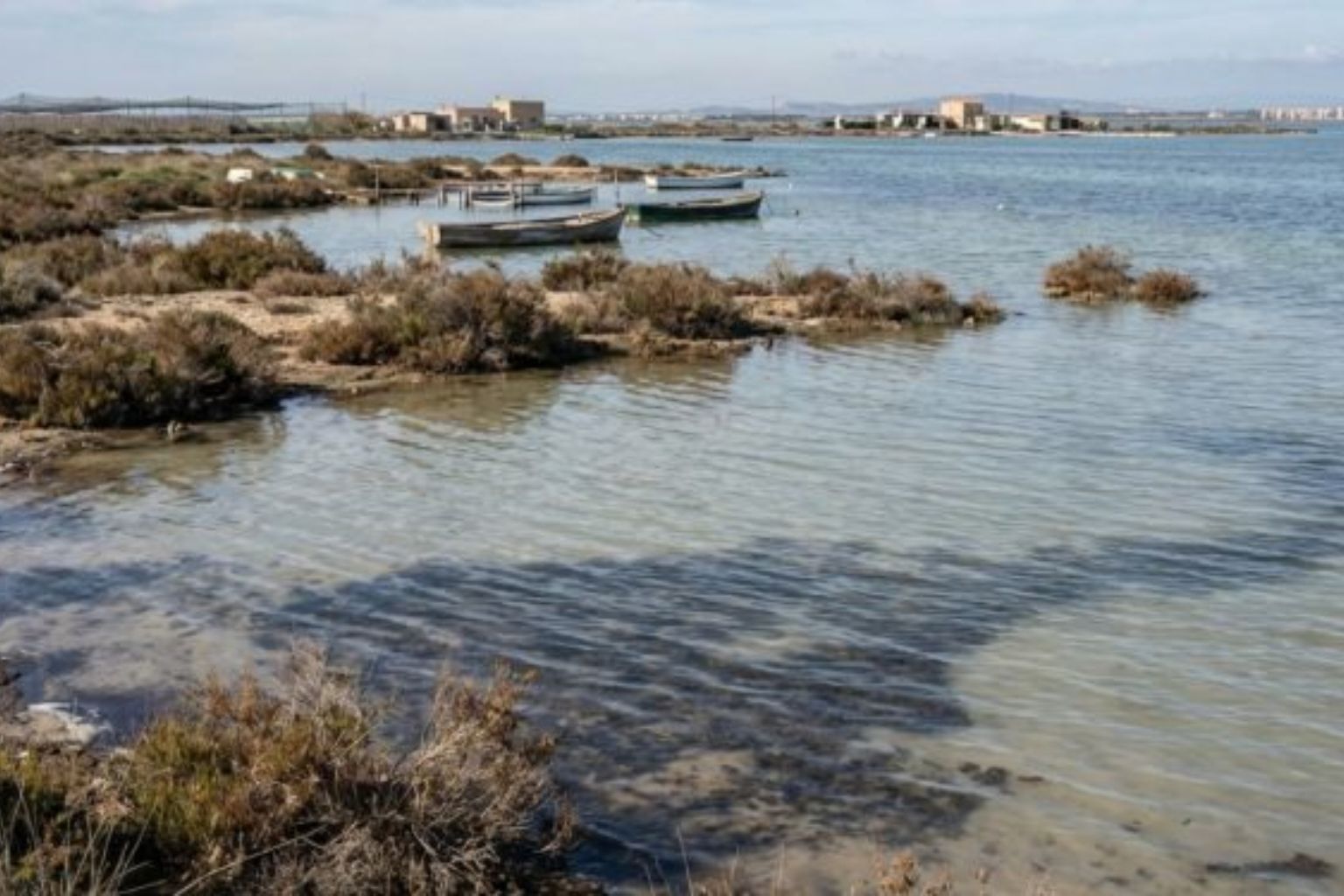

A contaminated underground river with mercury discharges about 1 kg of the toxic metal annually into the Mar Menor lagoon in southeastern Spain. The hidden flow creates conditions for the formation of methylmercury, a substance that accumulates in fish and seafood and can cause irreversible neurological damage in humans.
Researchers have identified a toxic underground river that transports mercury-contaminated water from underground aquifers to the Mar Menor lagoon, one of the most popular regions in the country for beach tourism and local fishing. The underground river, invisible on the surface, discharges about 1 kilogram of mercury into the lagoon annually, a volume that seems small in absolute terms but is significant for such a sensitive coastal ecosystem. The concentrations of mercury in the water arriving through the underground river are comparable to those recorded in the atmosphere and higher than those in some surface rivers in the region, indicating that the underground pollution source may be causing damage that has gone undetected for years.
The problem is not just the mercury that the underground river discharges. When the contaminated water mixes with the shallow salty water of the lagoon, zones with low oxygen and high organic matter are formed, ideal conditions for microorganisms to convert inorganic mercury into methylmercury, a highly toxic organic form that efficiently accumulates in fish, shellfish, and other aquatic organisms. For tourists and residents who consume seafood from the region, the discovery of the underground river raises a question that goes beyond environmental science: what have we already eaten unknowingly?
What is the toxic underground river discovered beneath the Mar Menor lagoon
According to the portal of Revista Oeste, the central element of the study is the identification of an underground flow of contaminated water that connects the region’s aquifers to the Mar Menor lagoon. This underground river is not visible on the surface and does not appear on conventional hydrographic maps, which explains why the pollution source remained hidden for years, even as the environmental problems of the lagoon have been widely documented. The water that the underground river carries contains dissolved mercury originating from industrial and agricultural activities that have contaminated the aquifers over decades.
-
She spent 73 years breathing inside an iron lung, survived the aftereffects of polio, and became the last woman in the United States dependent on the equipment before dying at 78 years old.

-
Brazilian students created a $1 filter using pine bark, cotton, and 3D-printed parts to clean cassava wastewater, reduce the toxicity of a hazardous waste, and transform contaminated water into biofertilizer.

-
Astronaut from Artemis II steps down after mission to the Moon and decision surprises after a record of 406,771 km, a historic 10-day journey, and an unprecedented achievement for Canada.

-
A fossil kept for years in a small museum in Montreal concealed 450-million-year-old soft tissue, a discovery that has only happened once before in history.


The Mar Menor is the largest coastal lagoon of saltwater in Europe, with an area of about 135 km² and an average depth of only 3.6 meters. Its shallow depth and the high water temperature create an environment particularly vulnerable to contamination, where pollutants such as mercury concentrate more quickly than in deeper and colder bodies of water. The discovery of the underground river as a source of pollution adds a layer of complexity to an already critical environmental situation.
How the underground river transforms mercury into methylmercury

The mercury that the underground river discharges into the lagoon is not, by itself, the greatest threat. The real danger arises when microorganisms present in the sediments at the bottom convert inorganic mercury into methylmercury, an organic form of the metal that is much more toxic and biologically active. This process, called methylation, occurs primarily in oxygen-poor zones, where sulfate-reducing and iron-reducing anaerobic bacteria utilize mercury-containing compounds during their metabolism.
The mixing of the underground river water with the saltwater of the lagoon creates exactly the conditions that favor this reaction. The bacteria add methyl groups to the mercury, making it more soluble in organic compounds and able to easily cross the cell membranes of aquatic organisms. Once inside the tissues of fish and mollusks, methylmercury accumulates and is not naturally eliminated, a process known as bioaccumulation. As larger fish consume smaller fish, the concentration of the contaminant increases at each level of the food chain, a phenomenon called biomagnification.
The risks the underground river represents for human health
The main concern of researchers is the consumption of contaminated fish and seafood. According to the World Health Organization, methylmercury can affect the brain and central nervous system, especially in fetuses and young children, causing damage that can be irreversible. For adults, prolonged exposure to the contaminant is associated with neurological, motor, and cognitive changes that manifest gradually and may not be identified until the damage is already established.
In the Mar Menor lagoon, where fishing is an important economic activity and gastronomic tourism attracts thousands of visitors, the presence of an underground river discharging mercury puts both the health of residents and the trust of consumers in local products at risk. Top predator fish, such as bass and gilt-head bream, tend to concentrate the highest amounts of methylmercury, exactly the species most valued in the region’s restaurants. The most common route of exposure is simple and everyday: eating a grilled fish for lunch.
Why the underground river went years without being detected
The underground nature of the flow is the main reason why contamination has remained invisible. Traditional environmental monitoring measures water quality at the surface and analyzes the discharge of visible rivers and channels, but rarely assesses what enters the ecosystem underground. The underground river that contaminates the Mar Menor operates off the radar of these systems, continuously dumping mercury without anyone seeing the water entering the lagoon.
This type of pollution source, known as submarine groundwater discharge, has been recognized by science for decades but continues to be underestimated in environmental management. Experts argue that aquifers and coastal waters should be integrated into the same monitoring strategy, rather than being treated as independent systems. The situation of the Mar Menor demonstrates that ignoring what happens underground can compromise years of efforts to restore an ecosystem that was already under pressure from other sources of pollution, such as agricultural runoff and sewage discharge.
What can be done to reduce the impact of the underground river
The discovery of the underground river does not solve the problem, but it allows it to be addressed with information that did not exist before. Among the measures advocated by researchers and environmental agencies are the reduction of agricultural inputs that contaminate aquifers, the rigorous improvement of urban sewage and industrial waste treatment, regular monitoring of mercury and methylmercury in water, sediments, and fish, and the continuous adaptation of coastal management plans to climate change.
Marine heatwaves, which are becoming more frequent in the Mediterranean, can worsen the situation by further reducing oxygen levels in the lagoon and accelerating the methylation process of mercury. For residents and tourists visiting the Mar Menor, the recommendation is to follow the water quality and fishing bulletins issued by local authorities and limit the consumption of top predator species until monitoring confirms that contamination levels are within safe limits. The underground river that no one saw now has a name, and the first step to solving a problem is knowing it exists.
Scientists have discovered an invisible underground river dumping mercury in one of Spain’s most famous beaches. The poison may be in the fish that thousands of people consume. Would you trust eating seafood from a contaminated lagoon? Leave your opinion in the comments.