Portuguese
  Spanish


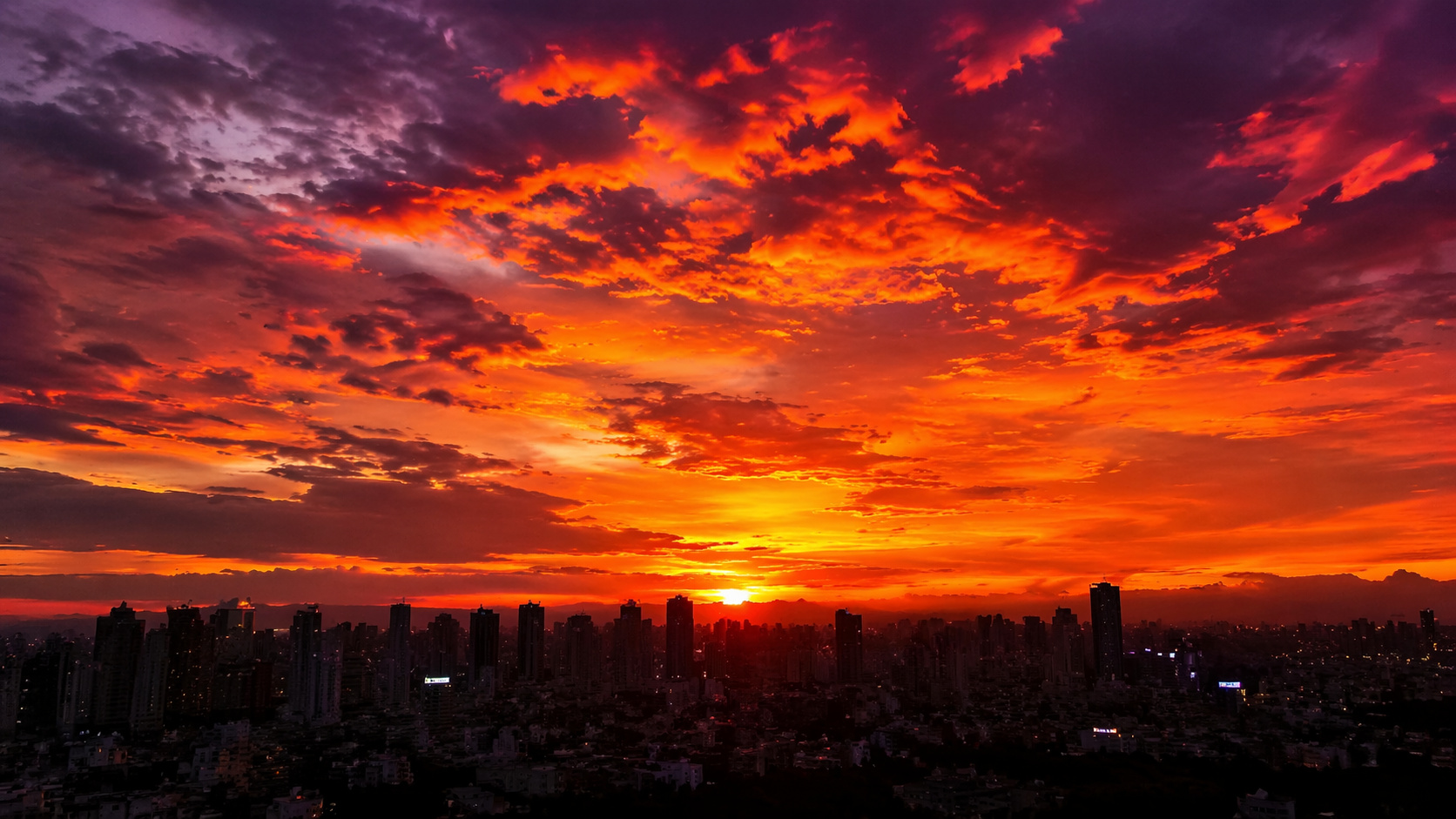


The redder sunset and sky with intense colors are linked to the increase in pollution and aerosols, a growing phenomenon that reveals changes in the atmosphere, impacts on the climate, and possible risks to human health
The sky is changing color in various regions of the planet, with increasingly intense and striking sunsets. Shades of red, orange, and even purple have begun to stand out, arousing curiosity and concern at the same time.
This scenario is directly related to the increase in air pollution and aerosols, particles that alter the way sunlight behaves in the atmosphere. The visual effect is impressive, but it also indicates real changes in the climate and possible health risks.
Pollution and aerosols explain the redder sunset
The phenomenon is linked to the presence of suspended particles in the air, such as dust, smoke, and soot. These elements interfere with the scattering of sunlight and cause warmer tones to stand out.
-
She heard for decades that space was not a place for women, became a pioneer in aviation, was part of the Mercury 13, and at 82, finally traveled with Jeff Bezos before dying at 87.

-
Scientists investigate microplastics in the airways of patients with sleep apnea and reveal a new focus for research on environmental pollution, human exposure, and possible impacts on breathing quality.
-
For the first time, scientists have seen the ocean floor open up in real-time—plates moving apart by two meters in a few days and 160 million cubic meters of lava emerging on the seafloor.
-
Iraq floats and sinks under an arm of the Euphrates 10 giant concrete boxes of 46,000 tons and 125 meters each to assemble a 2.4 km submerged tunnel and open a new land route between Asia and Europe.





The information was released by EcoResponse, a Brazilian website specialized in the environment and sustainability. The content shows that pollution intensifies the red sunset, as it filters part of the blue light and favors stronger colors.
This effect tends to be more visible in urban areas or places with a higher concentration of pollutants.
Understand why the sky changes color throughout the day
The color of the sky varies naturally due to the interaction of sunlight with the atmosphere. During the day, blue predominates because it scatters more easily in the air.
In the late afternoon, the light travels a greater distance to reach the observer. In this process, the cool colors lose strength, and the warm tones become more evident.
With the increase in pollution, this effect becomes more intense, making the sky more colorful and striking, especially at sunset.

Fires and heat intensify the phenomenon in various regions
Periods of drought and fires contribute to the increase of particles in the air. This makes the change in the color of the sky more frequent and noticeable.
EcoResponse, a Brazilian website specialized in the environment and sustainability, highlighted that the accumulation of pollutants in the lower layers of the atmosphere favors this visual effect.
Cities with high pollutant emissions also register more intense colors at sunset, especially on days with low air circulation.
Changes in the atmosphere also impact the climate
The presence of aerosols not only affects the appearance of the sky. These particles also interfere with how solar energy reaches the Earth’s surface.
This process can influence cloud formation and even the amount of light available, altering the planet’s thermal balance.
The phenomenon reinforces that the atmosphere is undergoing significant changes, with impacts that go beyond the visual.
Beauty in the sky can hide health risks
Despite the impressive visuals, the increase in air pollution is linked to respiratory problems and the worsening of climate change.
A more colorful sky may indicate the presence of harmful particles, which represents an invisible risk to the population.
This scenario shows that the phenomenon should not be seen merely as something beautiful, but also as a signal of environmental alert.
What the sky reveals about the planet’s future
Changes in the color of the sky show that the natural balance of the atmosphere is being affected by human action. The phenomenon has become more common and draws the attention of specialists.
Observing the sky has also become a way to perceive the impacts of pollution in daily life. The more intense colors serve as an indicator that the environment is in transformation.
Have you noticed a redder sunset in your area? Share your experience in the comments and send this content to more people to understand what is happening with the sky.