





 Portuguese
  English
  Spanish
  5 min of reading
  0 comments


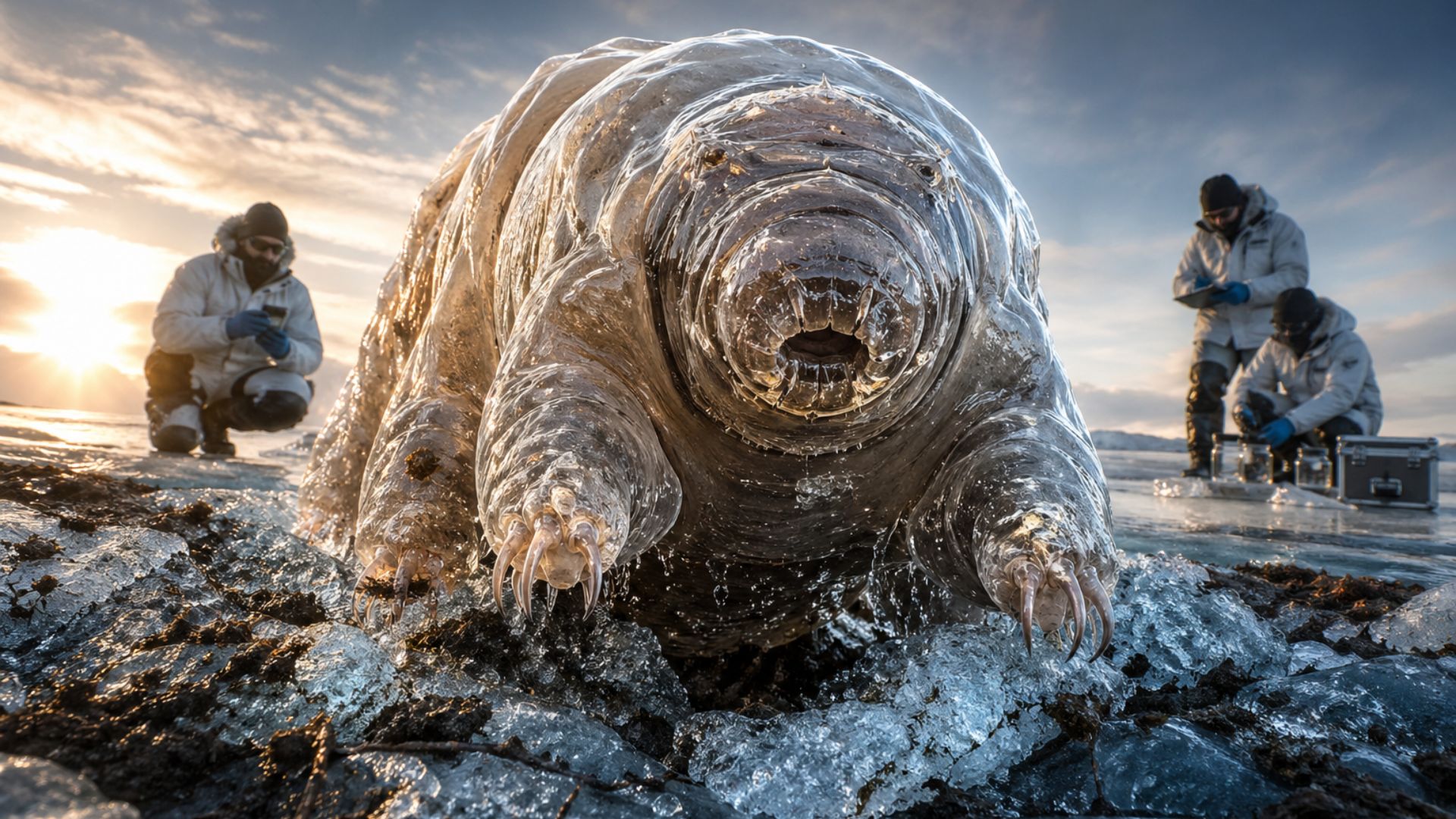
Extreme survival recorded in laboratory reveals unprecedented ability of multicellular organism to resist for thousands of years frozen and resume vital activity, expanding known limits of life in extreme environments and raising new scientific questions about biological preservation.
After remaining frozen for about 24 thousand years, a microscopic bdelloid rotifer returned to activity in the Siberian permafrost and even managed to reproduce in the laboratory, according to a study published in the scientific journal Current Biology.
According to an article published by the newspaper O Globo this Sunday (26), the research indicates that the organism remained preserved since the Late Pleistocene, a period marked by the last ice age, which broadens scientific interest in the resistance of multicellular life forms.
Unlike simple microorganisms, the case draws attention because it involves an animal with more complex biological structures, which makes its survival to prolonged freezing a phenomenon considered rare and difficult to explain within known standards.
-
Air bubbles from 3 million years ago extracted from Antarctic ice reveal that the current level of CO₂ has already surpassed that of the ancient, warm world, when the sea was up to 20 meters higher and there were no factories or cars burning fuel.

-
Brazil went to China to seek money and technology to reinvent TV and bring the internet to places where fiber does not reach. The mission negotiated with the BRICS Bank led by Dilma and paved the way for a Chinese rival of Starlink to connect the Amazon.
-
Iceland is going to lower a drill five kilometers to reach rock at 400 degrees and try to extract clean energy on a scale that a common well cannot achieve.

-
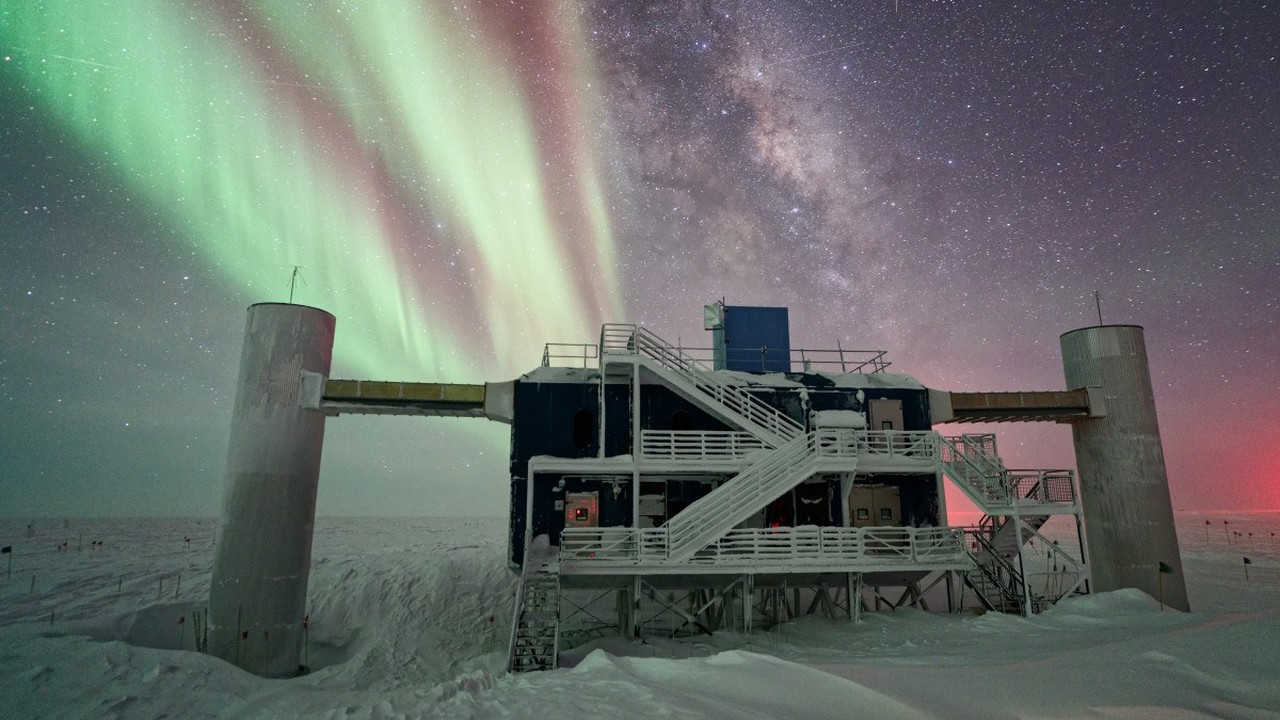
At the bottom of the South Pole ice, the IceCube observatory drilled more than a kilometer and a half of ice to hunt ghost particles and test whether gravity obeys the rules of quantum physics.



What is the rotifer and why did it surprise scientists
Identified as a bdelloid rotifer, the organism belongs to a group known for its ability to resist extreme environmental conditions, especially in aquatic or humid environments where it usually lives in an active state.
When exposed to adverse situations, such as intense cold, water scarcity, or lack of oxygen, these microscopic animals can enter a state of dormancy, drastically reducing their vital functions to ensure survival.

In the experiment, the specimen was recovered from deep layers of the Siberian permafrost, whose age was estimated by radiocarbon dating, reinforcing the evidence that the organism remained frozen for tens of thousands of years.
In a controlled environment, after gradual thawing, the rotifer not only resumed its biological functions but also originated a clonal culture through parthenogenesis, a common form of asexual reproduction in this group.
Cryptobiosis explains survival for thousands of years
Directly associated with the organism’s survival, cryptobiosis is a biological state in which metabolic activity drops to almost undetectable levels, allowing the animal to endure prolonged periods of extreme environmental conditions.
During this process, essential functions are practically interrupted, which reduces cellular damage over time and allows the organism to remain viable even after long periods without regular metabolic activity.
According to researcher Stas Malavin, one of the study’s authors, the work represents one of the most robust pieces of evidence that multicellular animals can withstand tens of thousands of years in this state of almost completely interrupted metabolism.
Furthermore, the permafrost environment, characterized by constantly low temperatures and low biological activity, acts as a natural preservation system, keeping organisms and organic matter isolated from degradation for long periods.
In this context, the combination of intense cold, absence of light, and environmental stability contributed to reducing decomposition processes, an essential factor for the rotifer to remain preserved for so long.
Laboratory tests reveal freezing resistance
Once reactivated, the organism underwent morphological and genetic analyses that allowed it to be classified within the genus Adineta, known for including modern species with high resistance to adverse environmental conditions.
In parallel, researchers conducted specific tests to evaluate freezing tolerance, using descendants of the original rotifer to observe how these biological structures respond to controlled temperature variations.
The results indicated that these organisms can withstand slow freezing for at least seven days, providing important clues about the cellular mechanisms responsible for protecting tissues and internal structures against ice damage.
This type of resistance is particularly relevant because freezing can cause cell ruptures, membrane alterations, and damage to genetic material, effects that generally prevent survival in more complex organisms.

For this reason, scientists emphasize that there is no evidence that higher animals, such as mammals, can survive or be reanimated after such long periods of freezing under similar natural conditions.
The structural complexity of these organisms makes their biological systems more vulnerable to irreversible damage during prolonged freezing and thawing processes, which limits the application of this phenomenon to simpler life forms.
Scientific impacts and risks linked to permafrost thaw
By expanding knowledge about the limits of life in extreme conditions, the discovery reinforces interest in areas such as cryobiology, biotechnology, and astrobiology, which investigate the survival of organisms in hostile environments.
In this sense, understanding the mechanisms that allow cellular preservation can contribute to advances in biological conservation techniques, in addition to offering clues about the possibility of life in regions outside of Earth.
Despite this, researchers emphasize that the observed phenomenon is specific to certain organisms, such as bdelloid rotifers, and cannot be generalized to other life forms without similar adaptations.
Another point of concern involves the accelerated thawing of permafrost in Arctic regions, a process that can expose ancient microorganisms that have remained isolated for thousands of years under layers of ice.
As these layers become unstable, viruses, bacteria, and other organisms may come back into contact with current ecosystems, raising concerns about environmental impacts that are still poorly understood.
Experts emphasize that it is not possible to accurately predict how these organisms would behave after long periods of isolation, which reinforces the need for rigorous protocols in scientific studies involving this type of material.
Although the studied rotifer does not pose a direct risk to human health, the episode shows that permafrost acts as a reservoir of ancient biological material, whose release could have still unknown consequences.
Thus, the reactivation of this organism expands the known limits of biological survival and reinforces the importance of investigating how life forms can persist in extreme conditions over such extensive timescales.






Be the first to react!