Portuguese
  Spanish



Decadal Energy Plan (PDE) 2030 Foresees That the Oil and Gas Sector in the Next Decade Will Bring Various Investments and New Exploration Platforms
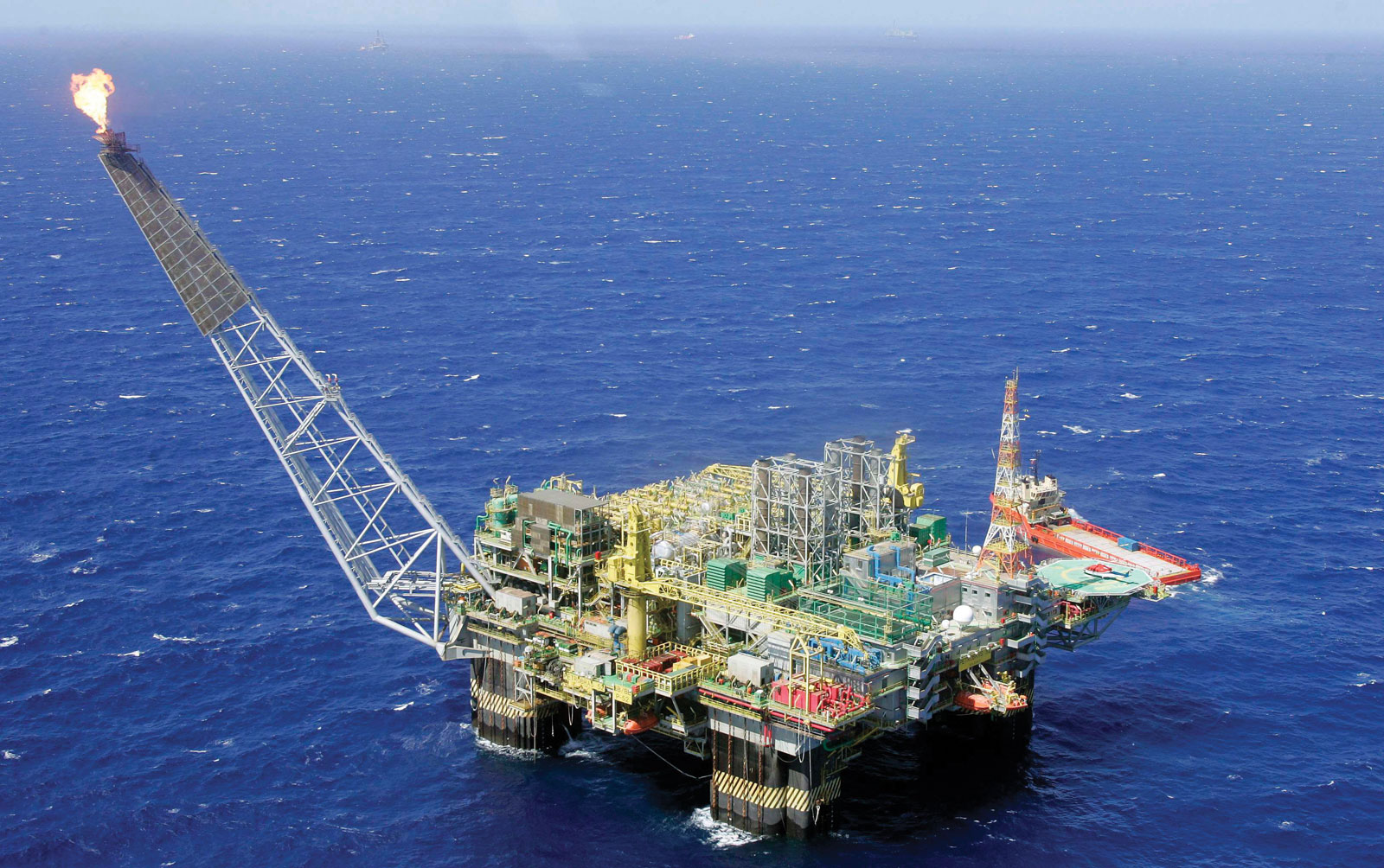
The Decadal Energy Plan (PDE) is an informative document prepared annually by EPE under the guidance and support of the teams from the Energy Planning and Development Secretariat (SPE/MME) and the Secretariat of Oil, Natural Gas, and Biofuels. The plan projects that investment in the oil and gas sector may reach up to R$ 454 billion in the next decade, and that Brazil could have 39 new platforms.
Check Out Other News:
- Heftos Starts Curriculum Registration in Many Roles for IMMEDIATE Offshore Positions This Afternoon, December 16
- Nuclear Plants Angra 1 and 2 and Hydroelectric Itaipu Will Have Reduced Tariffs and Brazilians’ Electricity Bills Will Be Cheaper in 2021
- Sustainable Economy Can Create Millions of Jobs, So-Called ‘Green Jobs’
- Giant Amazon Announces 26 New Renewable Projects, Surpassing Google
The PDE 2030 indicates that today’s challenging economic environment, the drop in oil prices, the impact of the pandemic, and even possible new revisions in the planning of oil companies may affect these investment projections in the next cycle.
The projection shows that Brazil’s oil production will reach 5.3 million barrels per day by 2030, about double the amount recorded in 2019. To support this growth, the plan believes that the country will install up to 39 new platforms in the next 10 years.
-
Abandoned Building in Brazil to Become Biotechnology Unit with $10 Million Investment, Bridging Science, Industry, and Public Health

-
Company Offering “Stones to Diamonds” Scheme Sells Ruined Italian Homes to Brazilians for 1 Euro, Disappears with Promised Renovations, Leaving Buyers in Debt to Italian Tax Authorities Until 2028 Without Property

-
Plastic Packaging Drives Santa Catarina Industry to 230% Growth, Aiming for R$ 500 Million by 2030 Amid Sector Crisis, with New Gearless Line Expanding in Southern Brazil to Compete in South America

-
Flamengo Star Invests in Brazilian Coastal Luxury Real Estate as Itapema Surpasses Balneário Camboriú in High-End Market Growth


“It is acknowledged that part of this demand may be met through the current trend of standardizing FPSO-type UEP projects and converting existing ships, thus allowing for the optimization of construction times and costs. It is also acknowledged the possibility of chartering in cases of delays in the delivery of UEP – Production Unit,” emphasizes the Decadal Energy Plan.
EPE – Energy Research Company, has reported that natural gas production sustained only by resources from the reservoir category will peak in 2028, reaching 183 million cubic meters per day, then slightly decreasing by the end of the ten-year period.
The PDE document reinforces the view that the pre-salt layer will continue to drive the growth trajectory of the country’s total oil production. By the end of 2030, this layer will account for a significant portion (approximately 79%) of national oil production. In this case, the Santos Basin will have a strong influence on production.