Portuguese
  Spanish



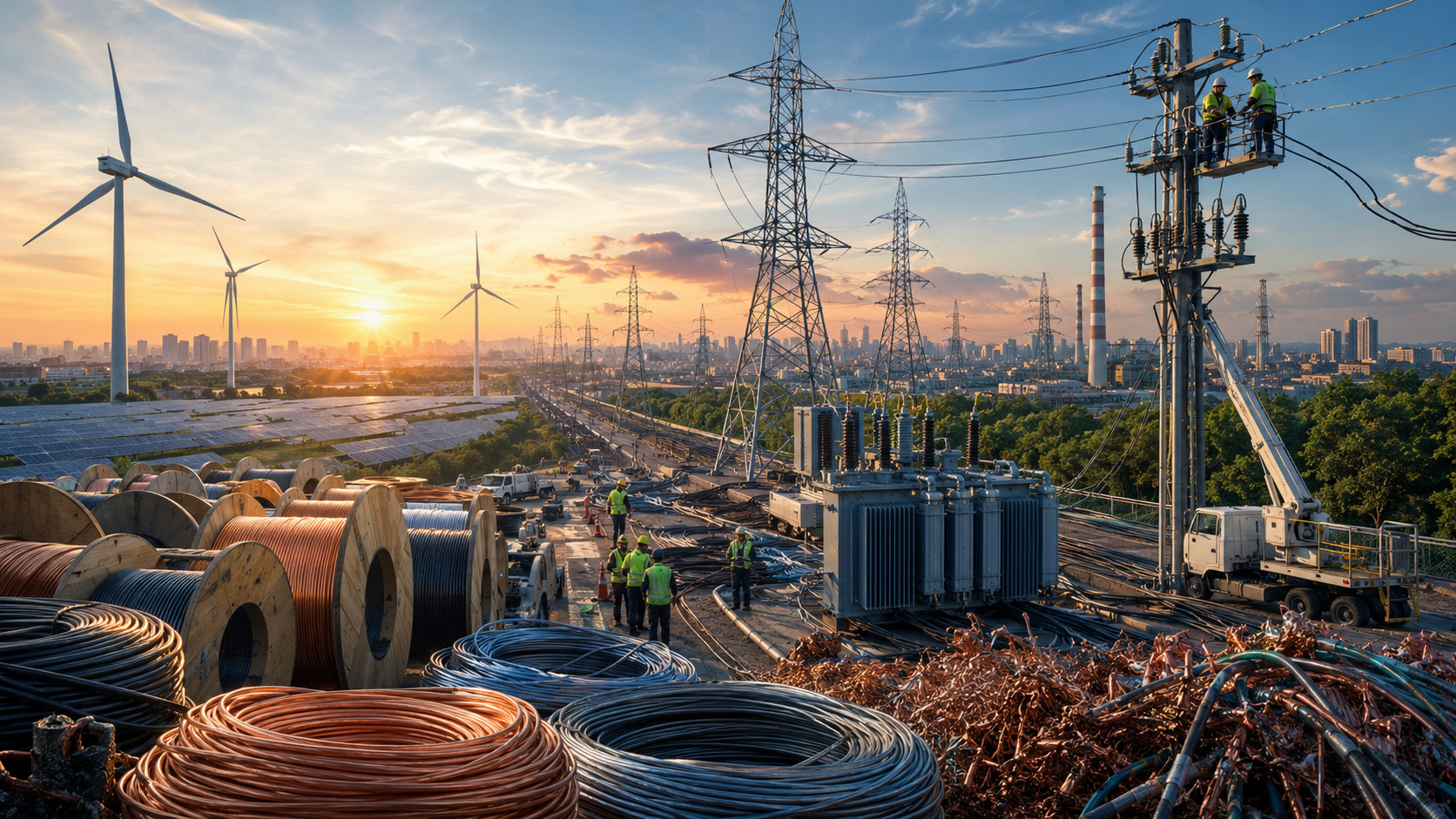
Focusing on Transmission Auction 4/2025, the Government Strengthens Energy Security in Brazil and Promotes Sustainable Expansion of the Power System, Attracting Billions in Investments and Technological Innovation
Energy security in Brazil has gained new momentum with the success of the Transmission Auction No. 4/2025, held by the National Electric Energy Agency (ANEEL) at the B3 headquarters in São Paulo, according to a report published.
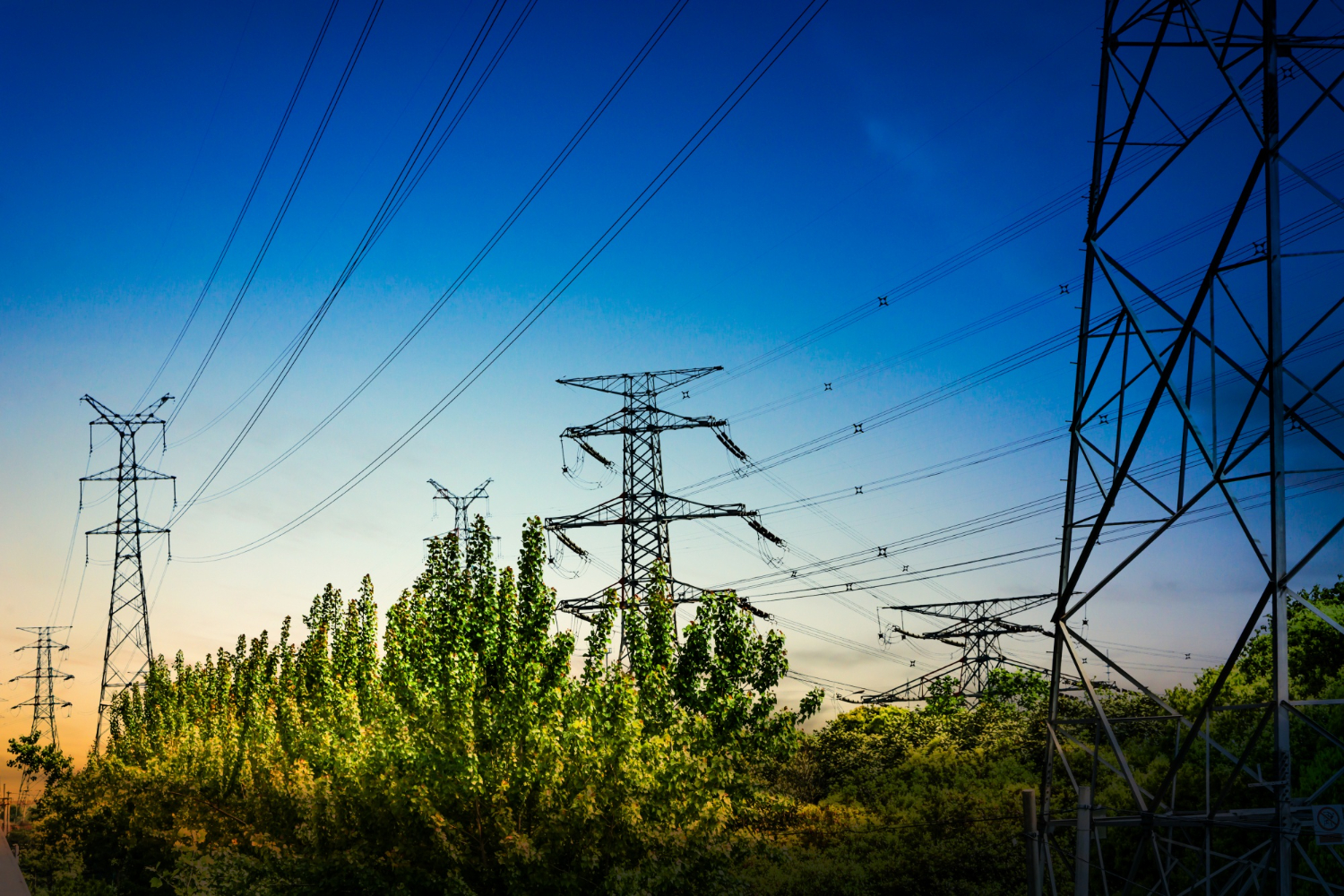
The auction traded R$ 5.53 billion in investments and marked a significant advancement in the modernization of the national electric infrastructure. A total of seven lots were offered across 12 states, totaling 1,081 kilometers of new transmission lines and substations with a capacity of 2,000 MVA.
The Minister of Mines and Energy, Alexandre Silveira, emphasized that the auction results reflect investor confidence and solidify the country’s commitment to a sustainable and efficient expansion model, integrating new renewable sources into the power grid and increasing access to clean energy in all regions.
-
Itaipu Dam Stuns Visitors with First Spillway Opening in 2026, Showcasing the Power of Water Once Again

-
USP researcher creates thesis to attract international funds for the country’s electric energy sector
-
Trafigura receives authorization from ANEEL to trade electricity in Brazil and expands its operations in the largest energy market in Latin America.
-
Mobile solar panels promised to share space with corn crops, but the 20% to 25% shade reduced production by an average of 7.7% and opened a new dispute between energy and food.


Strengthening the National Interconnected System and Renewable Energy in Brazil
The strengthening of the National Interconnected System (SIN) is one of the pillars of the current energy policy.
This network connects nearly the entire Brazilian territory, ensuring stability and efficiency in the flow of energy between regions.
The Auction 4/2025 will significantly enhance this integration, favoring the connection of solar and wind parks, particularly in the Northeast and Central-West states.
With 13,000 direct and indirect jobs anticipated, the projects range from the installation of synchronous compensators in Minas Gerais and Rio Grande do Norte, essential for the dynamic balance of the system, to the construction of a 345 kV underground transmission line in the Metropolitan Region of São Paulo, designed to cater to the growth of data centers.
These actions strengthen energy security in Brazil and consolidate the country as a reference in sustainable infrastructure in the electric sector.
Technological Innovation and Competitiveness in the Electric Transmission Sector
The auction results also highlighted the growing competitiveness of the sector.
The auction recorded an average discount of 47.98% on the Maximum Allowed Annual Revenue (RAP), representing an estimated savings of R$ 11 billion over the 30 years of concession, values that will be passed on to consumers.
Among the highlights, Shalom FIP Multistrategy achieved the highest discount of 57.51%, securing Lot 1 in the Metropolitan Region of São Paulo.
CPFL Transmission won Lot 3 with a reduction of 53.93%, while Rialma secured Lot 2 with 36.73%.
FIP Warehouse and Axia Energy also stood out with highly competitive proposals, totaling over R$ 1.6 billion in investments.
This intense competition reinforces the favorable environment for new investments and technological innovations that enhance energy security in Brazil, promoting efficiency, sustainability, and cost reduction.
Sustainable Expansion and Energy Transition with Social Inclusion
The Ministry of Mines and Energy, through the Investment Partnerships Program (PPI), has prioritized a sustainable expansion that combines economic development, social inclusion, and environmental responsibility.
The auctioned projects foresee execution times between 42 and 60 months and represent a strategic step towards consolidating a cleaner and more resilient energy matrix.
In addition to ensuring the flow of production from renewable sources, the expansion of transmission lines will enable service to historically less integrated regions to the national system, such as the Acre-Rondônia subsystem.
According to Alexandre Silveira, this is a collective achievement that unites government, companies, and society around a common purpose: to ensure energy security in Brazil and consolidate the transition to a green energy model accessible to all.