Portuguese
  Spanish


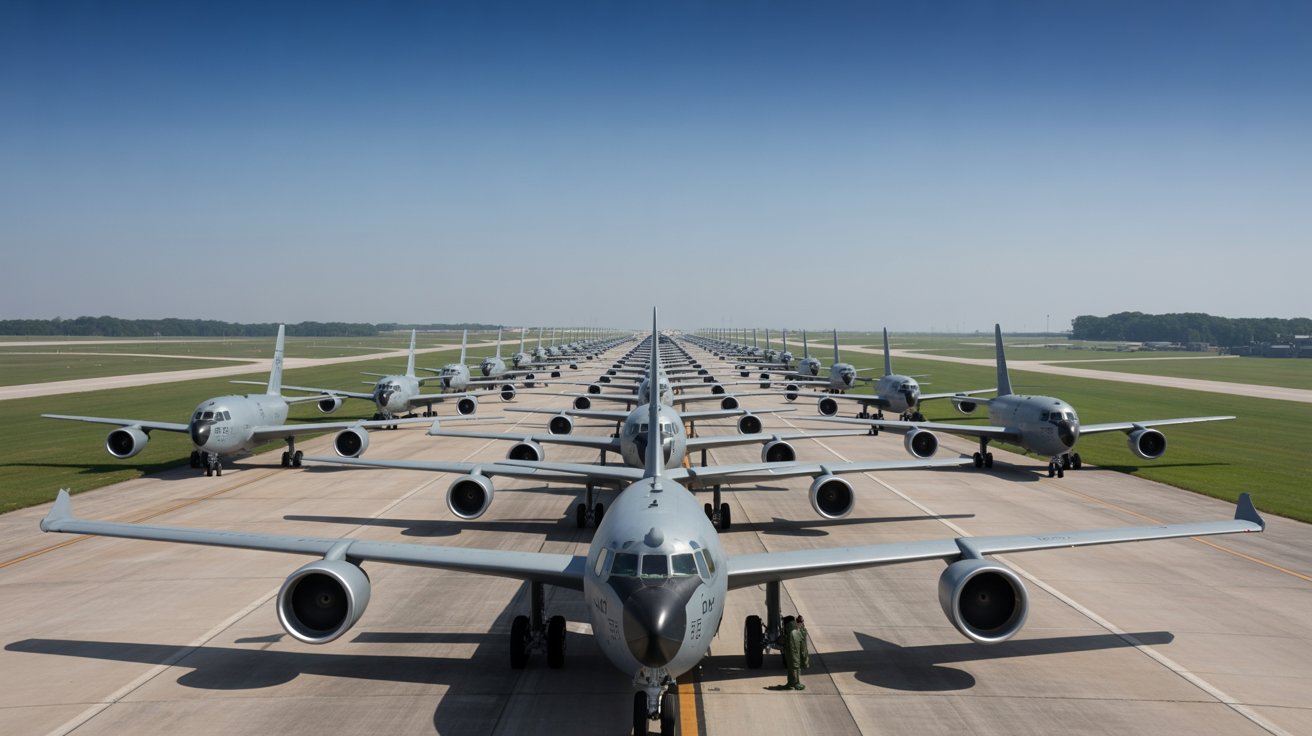


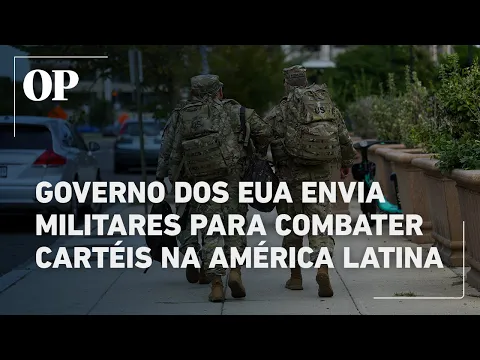
The United States mobilized air and naval forces for the Southern Caribbean Sea on last Thursday (14) with the aim of combating Latin American cartels classified as narcoterrorist organizations, according to information released by the Reuters agency.
The measure, according to sources cited by the agency, was taken to “deal with threats to U.S. national security” stemming from criminal groups operating in the region. The deployment of military personnel is part of a strategy by the U.S. government to strengthen border security and combat international drug trafficking.
The authorities interviewed did not provide operational details, but noted that the Pentagon had already been instructed to prepare military actions against internationally-reaching criminal organizations. This initiative aligns with a tougher foreign policy that seeks to disrupt drug trafficking routes and reduce the influence of transnational armed groups.
-
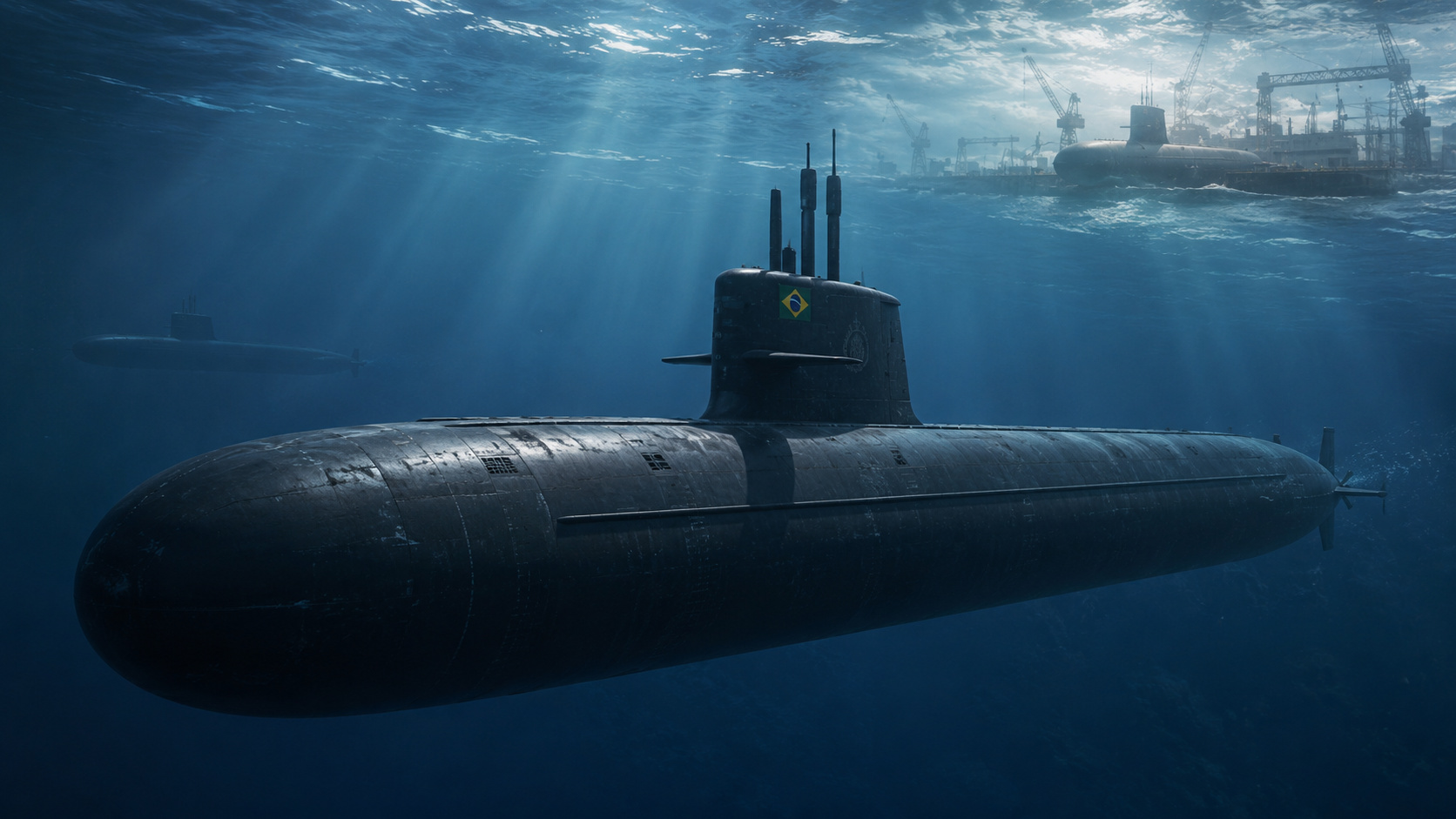
Brazil’s 72-meter submarines patrol 4.5 million km² of the South Atlantic, as the country builds its first nuclear-powered submarine capable of staying submerged for months.

-
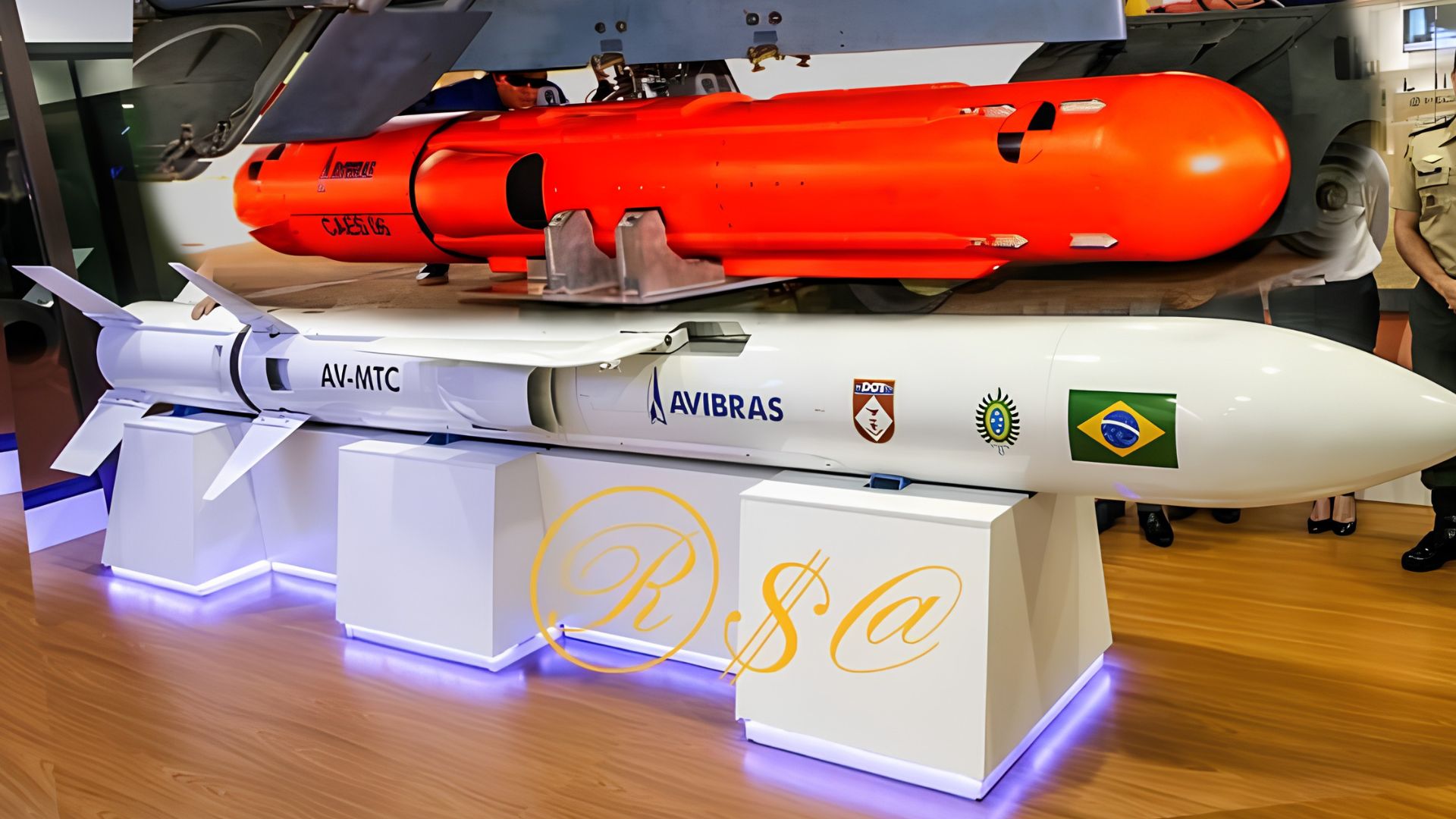
Brazil’s AV-TM 300 Tactical Cruise Missile, Known as “Matador,” Offers a Cost-Effective Alternative to the American Tomahawk with a 200 kg Warhead and 300 km Range.

-
New Brazilian Frigate Equipped with Advanced Missiles and Radars to Safeguard Strategic Maritime Areas
-
New Brazilian Frigate Equipped with Advanced Missiles and Radars to Protect Strategic Maritime Areas, Including the Blue Amazon and Pre-Salt Reserves


According to Reuters, President Donald Trump had already expressed interest in deploying the Armed Forces to act directly against Latin American cartels, especially those classified as global terrorist organizations.
Groups and Classification
In February of this year, the U.S. formally designated the Sinaloa Cartel in Mexico and the Venezuelan criminal group Tren de Aragua as global terrorist organizations. This classification allows for more aggressive military and intelligence actions against their members and operations.
In recent months, the U.S. government had already deployed warships to support maritime and aerial patrols in the region, in addition to intensifying surveillance missions over areas controlled by Mexican cartels.
The focus of the operation, according to experts cited by the American press, is to dismantle logistical networks and maritime routes used for transporting drugs towards the United States, often passing through the Caribbean and Central America.

Context and Regional Impacts
The military actions are also part of a broader effort to curb illegal immigration, especially at the U.S.-Mexico border, often associated with human trafficking and smuggling activities.
President Trump had previously offered to send U.S. troops to Mexico to support the fight against drug trafficking, a proposal that was rejected by the Mexican government.
Despite the lack of official confirmation regarding the exact number of military personnel involved in the new operation, sources indicate that the movement could include special forces, maritime patrol aircraft, and large vessels for logistical and offensive support.
Source: According to reports by CNN and Reuters on August 14, 2025.