






 Portuguese
  Spanish
  5 min of reading
  0 comments


South Africa Preferred to Delay Joining the BRICS Currency and Focus on Blockchain and Regional Trade with Local Currencies to Avoid New Monetary Dependency.
When the BRICS countries announced studies for the creation of a single currency that could compete with the dollar, the debate was met with enthusiasm by many sectors of geopolitics and emerging economies. However, South Africa — one of the bloc’s most strategic members — has adopted a cautious and pragmatic stance. Instead of accelerating integration into a joint currency, the country is focusing on strengthening intra-African trade with settlement in local currencies and investing in blockchain solutions for cross-border payments.
This strategy reveals a quiet yet significant movement: South Africa does not want to replace dollar dependency with a new dependency on the yuan or any other hegemony within BRICS itself.
BRICS Currency Continues to be Discussed, but Without Consensus
Since the rise of the debate surrounding the so-called “BRICS common currency” — sometimes speculated to be called “Unit” — the proposal has been marked more by geopolitical symbolism than by technical advances. The idea of creating a shared currency among economies with such distinct fiscal, exchange rate, and institutional realities faces serious structural obstacles.
-
Israel finds Hezbollah militarized tunnel over 200 meters long under village, with 4 missile launch shafts, 12 chambers, anti-tank missiles, drones, and weapons depots at a depth of 25 meters.

-
Ukraine launches largest drone attack on Moscow since 2022, Russia claims to have intercepted nearly 200 aircraft near the capital, Kapotnya refinery targeted again, and offensive reignites alert about war reaching the Russian energy heart just a few kilometers from the Kremlin.

-
Truck drivers, freight, and fines from 2022 take center stage in politics: Chamber approves MP with amnesty, mandatory tracking by CIOT, million-dollar penalties, and new minimum wage for those who spend more than 24 hours on the road.

-
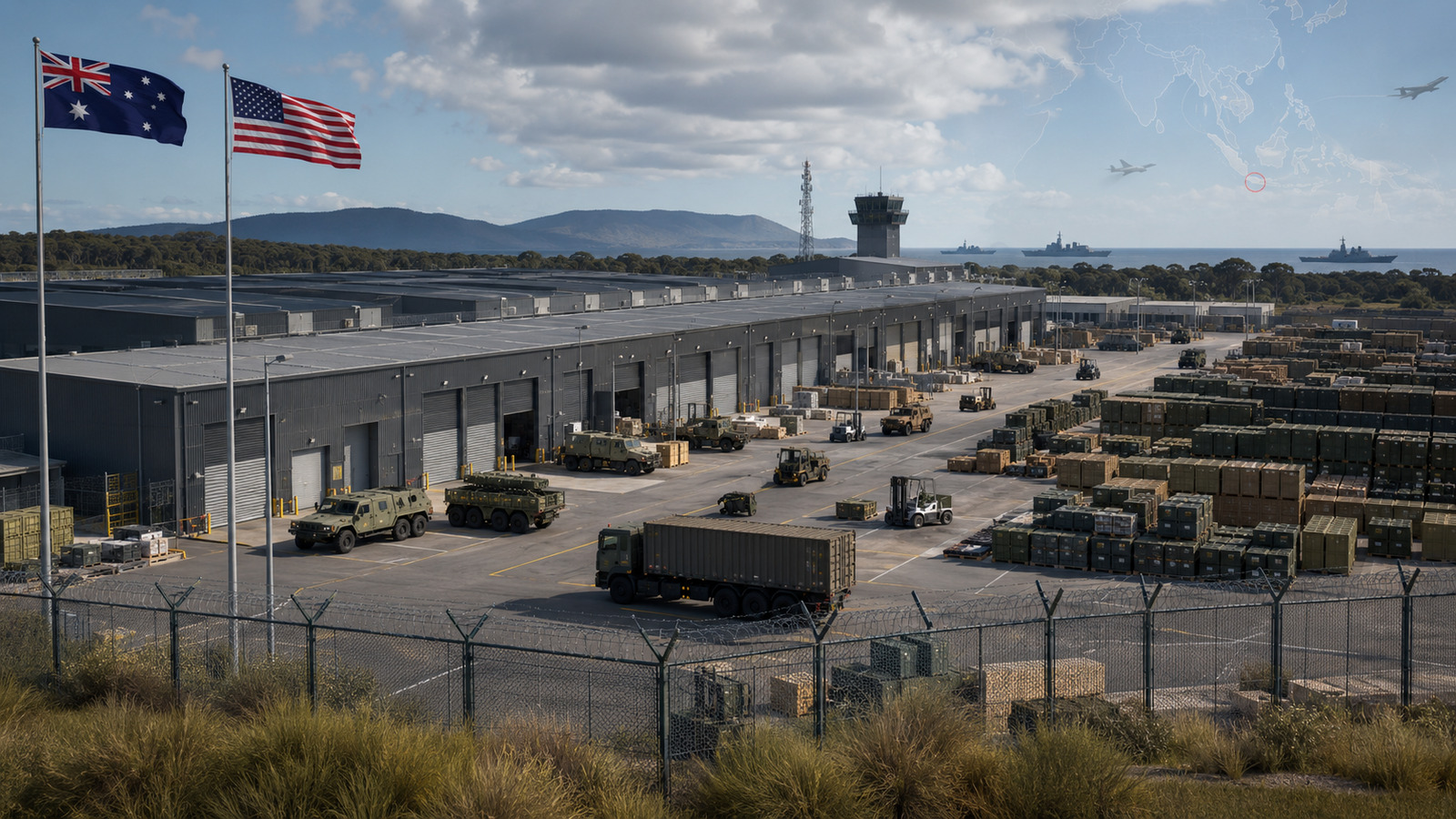
China off the radar: US plans mega $30 million weapons depot in Australia, out of reach of most Chinese missiles, with full capacity expected by 2028



During the BRICS summit held in Rio de Janeiro in July 2025, leaders acknowledged mutual interest in strengthening de-dollarization and improving payment systems. However, no concrete decision was made regarding the creation of a common currency, and South Africa made it clear, behind the scenes, that it does not consider this alternative viable in the short term.
According to reports from Coingeek and other regional sources, South African authorities publicly denied that the country is in the process of replacing the dollar or that it has committed to a multilateral currency. The emphasis, according to these representatives, is on long-term regional and technological solutions — that ensure monetary sovereignty and more balanced economic integration.
Focus on Local Currencies and Regional African Trade
South Africa is an active signatory of the African Continental Free Trade Area (AfCFTA), one of the largest economic integration initiatives on the planet.
The country’s current priority is to facilitate trade with neighboring countries using local currencies, reducing the need for conversions to dollars or euros in transactions that occur within the continent.
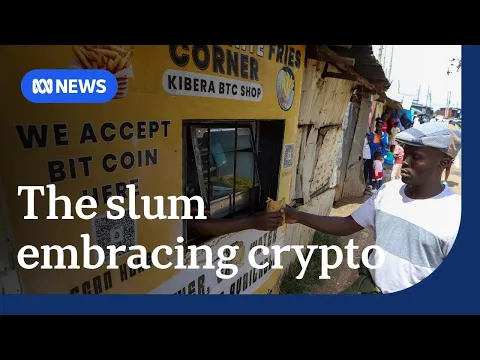

This movement has practical foundations. The use of foreign currencies in African trade incurs high costs, exchange exposure, and access limitations for small and medium enterprises. Partial replacement with local currencies improves trade flow, strengthens national currencies, and reduces volatility associated with the global financial system.
In early 2025, the Development Bank of South Africa (DBSA) launched pilot initiatives to foster regional financing in rands, the South African local currency, in sectors such as energy, transportation, and technology. The proposal aims to stimulate internal production chains and reduce external vulnerability without sacrificing monetary autonomy.
Blockchain as an Alternative to Forced Monetary Integration
Meanwhile, South Africa is investing in digital infrastructure for cross-border payments, focusing on platforms based on blockchain technology and smart contracts.
The SARB (South African Reserve Bank) has already conducted tests with other monetary authorities on the continent in a payment network called Project Khokha, which utilizes DLT (Distributed Ledger Technology) to simulate real-time payments and settlements among central banks.
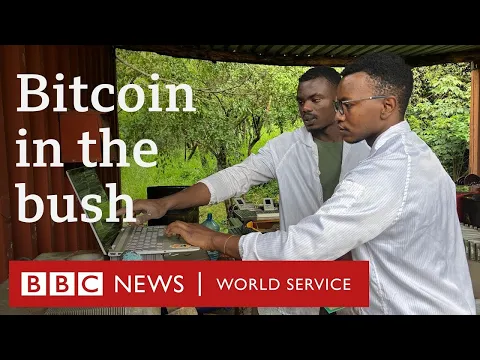
Additionally, the country actively participates in the Project Dunbar, a joint effort among South Africa, Australia, Singapore, and Malaysia to create a blockchain-based multi-currency system, with direct settlement between central banks. The initiative is coordinated by the BIS Innovation Hub and is seen as a modern, secure, and decentralized alternative to traditional systems dominated by the dollar and SWIFT.
This investment in digital solutions shows that South Africa is betting on infrastructure as a means of regional integration, rather than adhering to centralized solutions that could replicate inequalities already seen in the current financial system.
A Strategic Choice: Avoid New Hegemonies
Although the idea of a BRICS common currency has political appeal, South Africa fears that in practice this currency would be dominated by China, the largest economic power in the bloc.
With the yuan gaining increasing prominence in trade with Russia, Iran, Argentina, and other countries, there is a risk that a “BRICS currency” would merely be a broadened version of the yuan, with disproportionate influence from Beijing on the bloc’s economic decisions.
In this context, South African authorities prefer to maintain monetary sovereignty and operate in bilateral and multilateral agreements with true decision-making parity, strengthening technical instruments such as settlements in local currencies, digital networks, and regional macroeconomic adjustments.
What Does This Decision Change for BRICS?
South Africa’s withdrawal from the common currency proposal does not represent a rupture with BRICS — but indicates that there is no internal consensus or technical maturity to launch a single currency.
The bloc is still seeking alternatives such as BRICS Pay and the use of local currencies in internal transactions, but the absence of full adherence from its most strategic members undermines any short-term ambition.
The South African decision also serves as a signal to other member countries and international observers, showing that the de-dollarization movement needs to be deeper and more decentralized — and that technological and regional solutions can be more effective than overly centralized symbolic and geopolitical projects.
South Africa is making it clear that, for emerging economies, autonomy and infrastructure are more important than geopolitical symbols. The refusal to accelerate adherence to a common BRICS currency is not a retreat, but rather a strategic repositioning in favor of a more robust, digital, and balanced regional integration.
While other countries continue to bet on large blocs and alternative currencies, Pretoria is moving in a different direction: building modern payment systems, promoting local trade in rands, and testing technologies like blockchain to avoid new forms of external dependence — whether it be on the dollar, the yuan, or any other monetary power center.





Be the first to react!