






 Portuguese
  Spanish
  5 min of reading
  0 comments


In Light of the Increase in the Use of Agricultural Chemicals in Brazil, Indian Agricultural Practices Stand Out for Using a Natural Clay Trap to Combat Pests in Crops — A Sustainable Alternative That Gains Scientific Support
In the fight against pests in crops, a traditional technique from Indian agriculture has been gaining worldwide attention for its effectiveness and sustainability. Farmers in India use natural traps made of clay, filled with attractants such as honey and fermented fruits, to capture harmful insects without the use of electricity or chemical products. Meanwhile, Brazil is recording record numbers in the consumption of agricultural chemicals, with over 2 billion hectares treated in 2024, raising environmental and public health concerns.
Natural Trap in Indian Agriculture: How It Works?
The natural trap used in Indian agriculture consists of perforated clay pots, in which farmers place attractive substances, generally honey, fermented fruits, and sweetened water. The aroma of these attractants draws harmful insects, such as moths and beetles, that enter the containers and become trapped, preventing them from damaging the crops.
This technique has been widely used in states such as Uttarakhand and other rural areas of India, where access to chemical pesticides and electricity is limited.
-
Low-Demand Brazilian Beef Offal Gains Popularity Abroad: Indonesia Purchases $19.5 Million, Boosting Revenue and Reducing Waste

-
Soy Expansion in Former Brazilian Savanna Sparks Water and Land Conflicts in Major Agricultural Frontier
-
Mexican Pest Threatens U.S. Cattle Herds at Historic Lows, Potentially Boosting Brazilian Beef Exports as Burger Prices Soar

-
Avocado Boom for European and U.S. Markets Fuels Water Crisis in Drought-Stricken Chilean Region





Besides being cost-effective, the clay trap does not harm the environment or affect pollinators, promoting an ecological balance crucial for agricultural sustainability.
Pheromone Trap
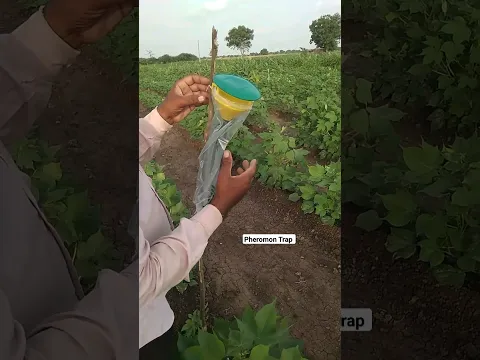

- How It Works: Attracts male insects using the sexual pheromone of the target female species. They enter the trap and cannot escape, interrupting the reproductive cycle.
- Target Pests: Helicoverpa armigera (earworm), Spodoptera (fall armyworm), moths.
- Common Crops: Cotton, corn, chickpeas, tomatoes.
- Cost: Low, with pheromone refills changed every 30–40 days.
Light Trap
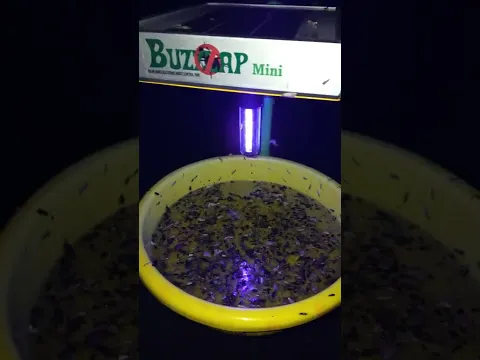
- How It Works: Uses a light source at night to attract nocturnal insects. They fall into a container with soapy water or oil.
- Target Pests: Moths, beetles, leafhoppers.
- Common Crops: Grains, vegetables, fruits.
- Note: Widely used during peaks of infestation in rainy periods.
Oil Trap
- How It Works: A container with water and vegetable oil attracts crawling or flying insects that fall and drown.
- Target Pests: Fruit flies, beetles.
- Common Crops: Mango, guava, banana.
Fruit Fly Trap or Banana Trap
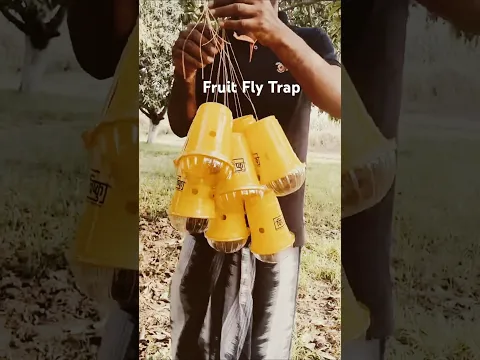
- How It Works: Uses fermented mashed banana (or other fruits) with molasses or vinegar to attract fruit flies.
- Target Pests: Fruit flies (Bactrocera spp.).
- Common Crops: Mango, guava, papaya, citrus fruits.
Neem Trap
- How It Works: A mixture of neem leaves (Azadirachta indica), pepper, and garlic blended with water. Can be sprayed or used in open traps.
- Target Pests: Caterpillars, aphids, stink bugs.
- Common Crops: Beans, chickpeas, vegetables.
Benefits of Natural Traps in Pest Control in Crops Like the Examples From Indian Agriculture
Natural traps offer several advantages for pest control in crops, standing out as a sustainable and efficient alternative, especially for small farmers:
- Lower Cost: Clay is an abundant and cheap material, and attractants are natural and easy to obtain.
- No Toxicity: Does not use poisons, protecting the health of farmers and the ecosystem.
- Simplicity and Autonomy: Can be produced and used without the need for electrical equipment or industrial inputs.
- Biodiversity Preservation: Selectively captures pests without affecting beneficial insects.
Scientific research has validated these traditional methods, recognizing their potential to integrate integrated pest management (IPM) systems and reduce excessive use of chemical pesticides.
Brazilian Context: Increase in the Use of Agricultural Chemicals
In Brazil, the scenario is quite different. Recent data from Sindiveg and Kynetec indicate that in 2024, the use of agricultural chemicals grew by 9.2%, reaching over 2 billion hectares treated, with insecticides representing about 23% of the total applied.
Additionally, the Ministry of Agriculture approved 663 new chemical products for agricultural use, a historic record that includes substances classified as highly toxic to the environment and human health.
This significant increase highlights a growing dependence on agricultural chemicals, which, while contributing to productivity, also pose risks to biodiversity, water pollution, and adverse effects for rural workers and consumers.
Indian Agriculture as an Example of Sustainable Alternatives
The contrast between Indian agriculture, which utilizes natural traps, and the Brazilian model based on intensive use of agricultural chemicals, highlights the importance of seeking sustainable alternatives for pest control.
In India, the ancient practice combines traditional knowledge and respect for the environment, resulting in accessible and effective solutions.
| Aspects | Indian Agriculture (Natural Trap) | Brazilian Agriculture (Chemical Pesticides) |
| Cost | Low and accessible | High, dependent on industrial inputs |
| Environmental Impact | Minimal, protects pollinators and soil | High, with contamination and loss of biodiversity |
| Farmer Health | Preserved, free from toxic exposure | Risk of poisoning and occupational diseases |
| Sustainability | High, based on natural practices | Low, with negative cumulative effects |
This comparison reinforces the need to incorporate sustainable practices into Brazilian agribusiness to ensure food security and environmental health.
Challenges for the Adoption of Natural Traps in Brazil
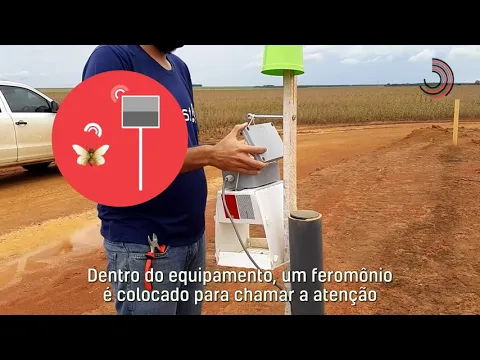
Despite the clear benefits, the implementation of natural traps faces obstacles in the Brazilian context:
- Consolidated Culture of Using Chemicals: Many producers rely on pesticides to ensure immediate productivity.
- Lack of Specialized Technical Assistance in agroecological practices and natural alternatives.
- Low Investment in Research and Extension for adapting traditional methods to the climate and crops of Brazil.
- Economic and Political Pressures that favor the chemical industry and hinder the transition.
These challenges require coordinated efforts so that sustainable techniques, such as clay traps, can be more widely adopted.
The Role of Natural Traps in the Future of Sustainable Agriculture
Natural traps, such as those developed in Indian agriculture, offer a promising path for pest control without compromising the environment or human health. Besides being effective and accessible, they symbolize the appreciation of traditional knowledge combined with modern science.
In Brazil, where the use of agricultural chemicals continues to rise, incorporating these practices could represent a significant advancement toward reducing environmental impacts and promoting the health of rural workers and consumers. Moreover, the adoption of these techniques may contribute to the strengthening of family farming and the preservation of biodiversity.
The future of agriculture depends on the ability to innovate while respecting natural cycles. The Indian experience demonstrates that it is possible to control pests effectively without electricity or poison, and Brazil can immensely benefit by integrating these sustainable solutions into its agricultural system.
By combining traditional knowledge and technology, the country can move towards a more balanced and healthy model that ensures the production of safe food and the conservation of natural resources for future generations.





Be the first to react!