






 Portuguese
  Spanish
  2 min of reading


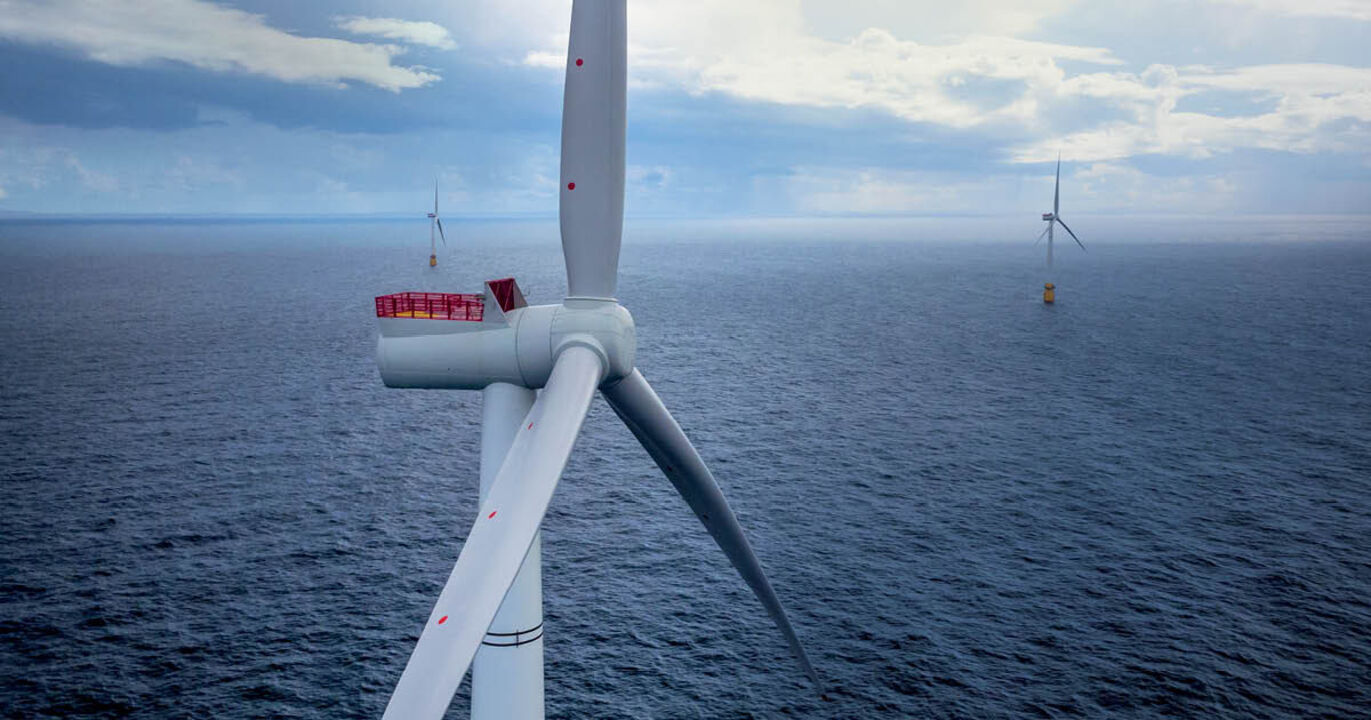
Offshore Wind Energy Is Rising in the Brazilian Renewable Energy Market
Senator Jean-Paul Prates (PT-RN) presented a bill on Wednesday that aims to establish a regulatory framework for the future exploration of offshore wind power plants in Brazil, installed at sea, a technology still unexplored in the largest country in Latin America.
Read Also
Offshore Wind Energy Is Essentially a Clean and Renewable Energy Source, Harnessing the Power of Winds That Blow Over the Open Sea
Offshore wind farms are usually installed in waters not very deep, around up to 60 meters, and far from the coast, marine traffic routes, strategic naval installations, and ecologically sensitive areas.
The senator’s proposal regarding offshore wind plants, which will still go through Congress, comes at a time when companies like the Norwegian Equinor and the Neoenergia, part of the Spanish Iberdrola group, are developing the first projects for this source in the country, albeit in the initial phase, and without estimates on the start of implementation.
-
Brazilian scientists are simultaneously advancing two research projects on clean hydrogen and driving solutions that could transform the energy matrix, enhance industrial competitiveness, and accelerate large-scale emission reduction targets.

-
Advancement in renewable energy: A R$ 150 million project launched by Petrobras and Finep aims to create state-of-the-art electrolyzers for green hydrogen, strengthening national research and preparing Brazil to compete in a billion-dollar energy market.
-
Illiterate or semi-literate grandmothers were trained to repair solar systems, open rural workshops, and light up homes that still depended on kerosene.
-
The world has bet on green hydrogen as the fuel of the future, but now faces the side effect: producing 1 kilogram requires about 9 liters of ultrapure water, and the largest projects on the planet are precisely in the driest regions of the Earth, where water is already scarce for people.





Brazil with Approximately 17 Gigawatts in Wind Power Plants
Over the past decade, Brazil has rapidly advanced in wind energy, going from practically zero in 2009 to about 17 gigawatts installed in these plants, equivalent to about 10% of the electrical matrix, according to data from the National Electric Energy Agency (Aneel).
Although offshore wind farms, which are significantly more expensive and complex to build, still depend on regulation to be targeted for local investments, according to experts, who also point to the significant availability of land for onshore wind facilities before the need for advancements to the sea.
Under Senator Prates’ bill, the federal government would approve grants for offshore wind projects through a simplified authorization regime, which he claims is easier than a concession, for instance.
Senator Advocates Bill for Offshore Wind Farms in Brazil
Interested parties can request independent grants, provided they conduct at their own risk studies on the areas, which would need to be approved by an agency defined by the Executive Branch – probably the National Electric Energy Agency (Aneel), according to Senator Prates.
The senator asserted that Brazil could become the most attractive country in the world for offshore wind energy within “five to ten years” and stated that the bill would be crucial for enabling investments and the development of the sector.






Be the first to react!