






 Portuguese
  Spanish


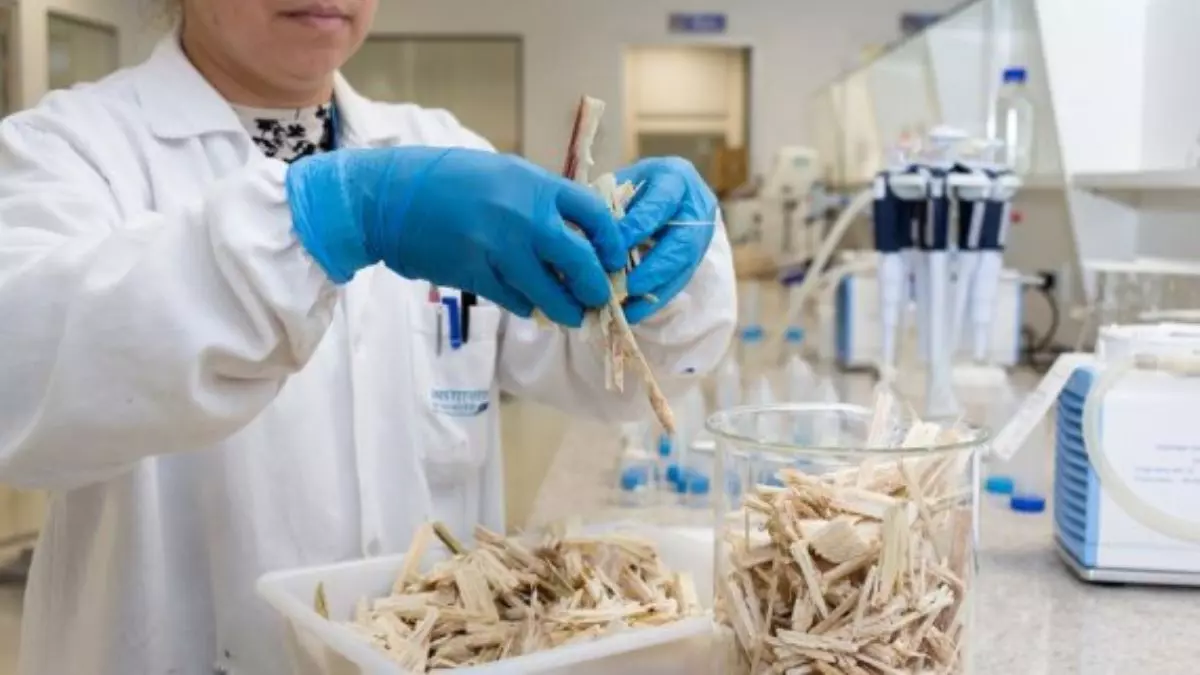

Mato Grosso Unity Initiative Supported by Anglo American and DeCARB Startup
The reduction of carbon emissions in the atmosphere is one of the main concerns of industries looking to adapt to new societal demands for sustainability. The Senai Institute of Innovation in Biomass (ISI Biomassa), located in Três Lagoas (MS), is committed to developing solutions in this area.
In this way, it has just signed a new partnership with the multinational mining company Anglo American and the startup DeCARB to create a biochar capable of reducing CO2 emissions in the atmosphere and thus combating the advance of global warming. Want to know more? Keep reading.
Learn More About Another Type of Biochar for Soil Fertilization in the Video Below
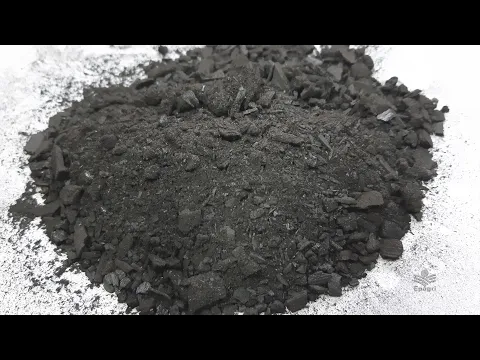

DeCarbon Project Supported by Other Agencies to Overcome Industry Challenges
The initiative, called the DeCarbon Project, has the support of Embrapii (Brazilian Company for Research and Innovation Industrial). However, it represents a joint effort of the companies involved in seeking innovative solutions to reduce greenhouse gas emissions.
-
Over 60 Tractors Take to the Streets in Lopera as Solar Parks Compete with Olive Groves, Affecting 13,000 to 100,000 Trees According to Conflicting Reports

-
Green Hydrogen Projects in Northeastern Brazil Stalled for 18 Months Awaiting Government Decree, Delaying Billions in Investments
-
Brazil Concludes Largest Energy Auction in History, Secures 18.97 GW and Mobilizes $12.8 Billion to Ensure Supply Until 2031
-
How Norway Produces More Energy Than It Consumes with Nearly 1,800 Hydropower Plants and Over 1,100 Reservoirs


One of the major challenges for industries is to find effective alternatives for capturing and converting carbon dioxide. In this way, the pyrolysis of sugarcane bagasse and coconut waste will be used to produce biochar. This material is capable of capturing carbon.
The manager of ISI Biomassa, João Gabriel Marini, emphasizes the importance of this project for reducing CO₂ emissions. In this sense, he states that mining is one of the sectors that seeks to mitigate emissions ahead of the anticipated regulations. Anglo American, in turn, highlights that the project aligns with its strategic objectives of reducing CO₂ emissions in Nickel operations. Moreover, the company emphasizes that biochar can be marketed to various productive sectors.
So, How Does the Biochar Being Developed by Senai Work?
The innovation project focuses on producing biochar through the pyrolysis of sugarcane bagasse and coconut waste. The goal is to use the produced biochar as a filter to capture CO₂ emitted by industries.
However, the pyrolysis process consists of decomposing biomass through heat, resulting in biochar. This material will be activated to be used as a CO₂ adsorbent. In other words, it will function to fix the CO₂ molecules emitted by industries on its solid surface.
The capture of CO₂ will allow its reuse in other industrial processes, but there is still a risk that this gas may be released back into the atmosphere. However, the industrial researcher responsible for the project, Willian Pereira Gomes, highlights that the captured gases can be reintroduced into new technological pathways. Thus, it is possible to generate durable materials such as carbonates, concrete, and polymers. This would effectively result in carbon sequestration, contributing to the reduction of greenhouse gas emissions and environmental sustainability.
With this initiative, ISI Biomassa and its partners are taking another important step towards sustainability, contributing to a cleaner and healthier future for all.
ISI Biomassa is a Senai Initiative Investigating Biofuels and Biochar in Mato Grosso
ISI Biomassa (Senai Institute of Innovation in Biomass) is a research and innovation center located in Três Lagoas (MS), primarily aimed at developing technological and innovative solutions for energy production from biomass, contributing to the energy transition and the reduction of greenhouse gas emissions.
The institute has a highly qualified team of researchers and state-of-the-art infrastructure for conducting research and tests on a laboratory and pilot scale, in addition to offering consulting and training services in biomass.
Among the areas of action of ISI Biomassa, the production of biofuels, such as second-generation ethanol and biodiesel, stands out. Additionally, the institute works on generating electricity from biomass, producing bioproducts, and developing technologies for waste treatment.
ISI Biomassa is part of the network of Senai Innovation Institutes. The goal of these institutions is to promote innovation in the Brazilian industry.


