Portuguese
  Spanish


Meet The Story Of Flight TAP 131, Where A Teenager Hijacked A Plane And Years Later Became Friends With The Pilot!
In 1980, an unusual and tense event marked the history of Portuguese aviation: the hijacking of the flight TAP 131. During a trip from Lisbon to Faro, a 16-year-old teenager, armed with a gun, broke into the cockpit of a Boeing 727 and diverted the plane’s route to Madrid.
The episode, which could have ended in tragedy, was marked by a curious twist: years later, the hijacker and the copilot of the flight became friends.
How did this unusual event, known as the “Portuguese Hijacking,” transform the lives of those involved? Discover now the story behind flight TAP 131.
-
Brazil Welcomes Spanish Wamos Air and Nigerian Air Peace, Potentially Transforming International Routes and Increasing Competition

-
Offshore air transport soars in Brazil, surpasses 2.5 million passengers, and reveals how oil has transformed Rio’s airports into key pieces of national logistics.

-
Latin America becomes the “global champion” of aviation taxes, tickets may become more expensive in Brazil, and IATA’s warning exposes risk for flights, tourism, and passengers.
-
Brazil has lost 85 air routes since 2019 and is still flying less than before the pandemic, leaving passengers with fewer destinations, fewer frequencies, and a more limited air network.


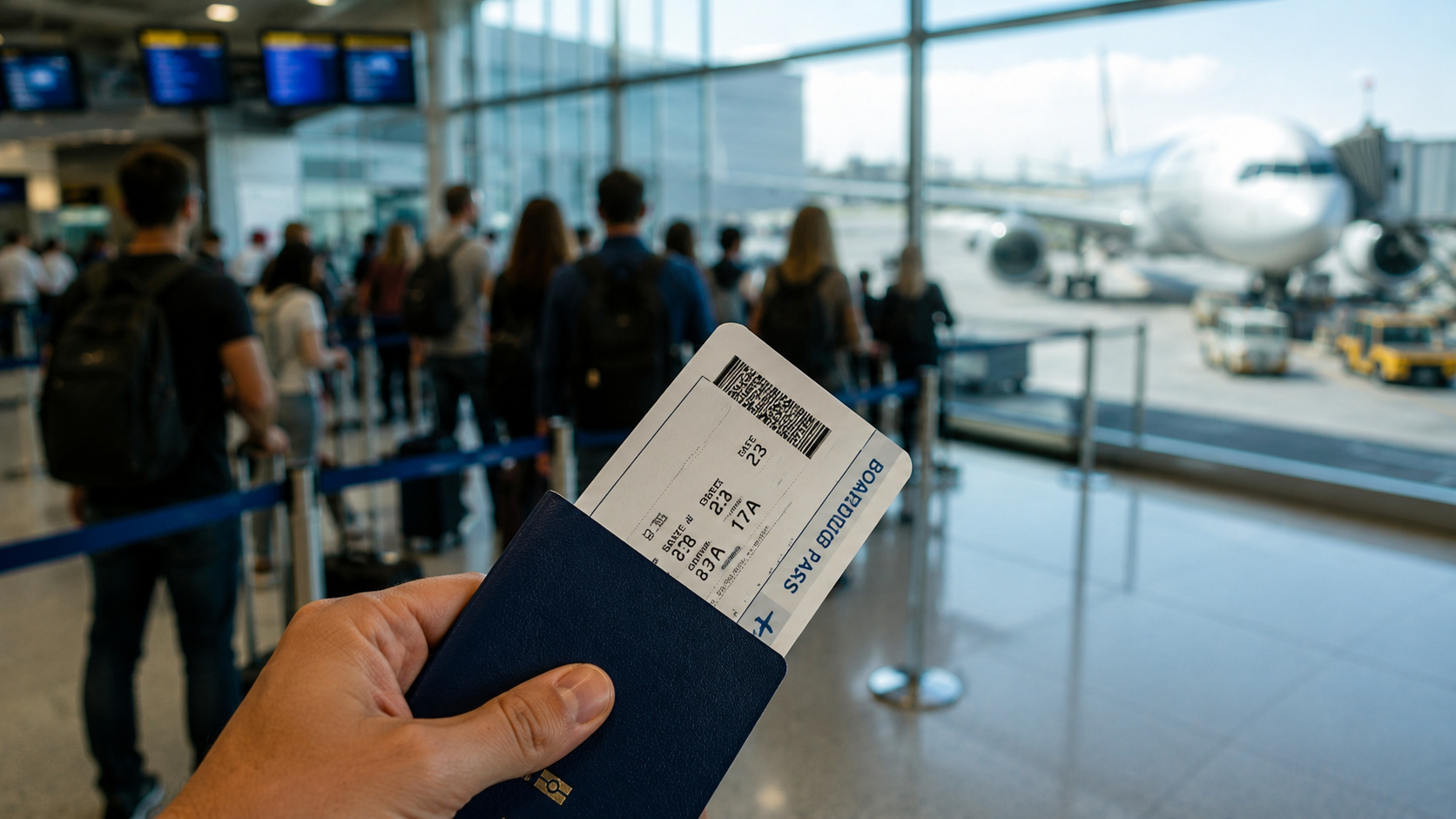
Flight TAP 131, operated by Transportes Aéreos Portugueses (TAP), was an apparently ordinary route between Lisbon and Faro, in southern Portugal.
On board were 83 passengers and seven crew members, including copilot José Correia Guedes, a young Portuguese pilot with little experience.
The trip was supposed to be smooth, until a 16-year-old teenager entered, armed, into the plane’s cockpit.
The young hijacker had remarkably prepared for the event, bringing with him a loaded pistol and items like a radio and a magazine about UFOs.
At the time, security measures at airports were much less stringent than today. The cockpit door, for example, was rarely locked, allowing easy access for passengers or even potential hijackers.
When the teenager entered, pointing the gun at copilot Guedes’ head, the pilot’s first reaction was one of terror, thinking it was a terrorist group.
However, upon realizing that the hijacker was just a nervous young man, the tension in the cockpit eased.
The situation became even more complex when the hijacker revealed his intentions: he wanted to divert the flight to Madrid, with the aim of demanding a ransom of US$ 20 million and safe passage to Switzerland. The copilot, in an attempt to calm the situation, began to talk to the young man, trying to convince him to give up his plans.
However, the hijacker’s response was different from what was expected: he seemed to have a strange compassion for the crew and even apologized for the trouble he was causing.
“It was as if Stockholm Syndrome was starting to emerge between us. He seemed increasingly comfortable with the idea of talking, while I tried to defuse the situation with words and calm,” recalls Guedes.
The “Portuguese Hijacking” became a common expression to describe the unusual case, where the hijacker and the captives maintained an almost friendly relationship during the flight.
The situation escalated when the plane was diverted to Madrid, and Spanish authorities became aware of the hijacking. The flight was surrounded by police, and negotiations began.
During the process, the hijacker relented on one of his demands: he released all women and children on board, which was an important step in de-escalating the tension.
However, the hijacker still did not give up his conditions and continued to demand the ransom and escape to Switzerland.
Over the hours of negotiation, copilot José Correia Guedes played a key role.
In addition to trying to calm the young hijacker, he also demystified the teenager’s demands, telling him that the US$ 20 million probably didn’t exist and that the safe passage wouldn’t guarantee his freedom.
Gradually, the hijacker began to surrender to reality and eventually surrendered without violence.
The hijacking of flight TAP 131 became a landmark in the history of aviation, not only for the audacity of the young hijacker but also for the surprising details surrounding the incident.
While airplane hijackings were relatively common in the 1980s, this case stood out for the way the crew and the hijacker interacted, almost as if they were sharing a strange complicity.
The episode reflected the weaknesses in airport security controls at the time and marked an important turn in aviation security practices.
Today, after the attacks of September 11, 2001, cockpit doors are armored and access is restricted to the crew, making airplane hijacking an almost unthinkable event.
Years after the hijacking, José Correia Guedes and the hijacker became friends. The pilot remembers the case with a smile, saying that over time, the young man who hijacked flight TAP 131 became a completely different man.
The incident was transformative for both the copilot and the hijacker, who unexpectedly ended up forging a friendship after one of the most peculiar episodes in global aviation.
The story of flight TAP 131 is a reminder of human complexity in crisis situations, where even a moment of terror can give rise to unexpected connections and, in some cases, even lasting friendships.