Portuguese
  Spanish




Wind Energy Companies Pressure Government Against Possible Veto on Reimbursement for Generation Cuts, a Measure That Could Alter Costs, Affect Tariffs, and Compromise New Investments in the Country.
The debate on the future of wind energy in Brazil has taken new turns after the federal government indicated that it intends to veto the article of the Provisional Measure 1.304 that provides reimbursement to renewable plants affected by “curtailment” — the mandatory generation cuts determined by the National System Operator (ONS). This signal generated a strong reaction from the sector, especially because the measure, according to companies and industry representatives, could compromise the attractiveness of new projects and raise energy costs in the country.
Wind Sector Pressure Increases in Light of Possible Veto
Wind energy companies have mobilized strongly against the possible presidential veto. For the sector, the decision would represent a direct blow to one of the fastest-growing segments in Brazil, in addition to affecting states that lead production, such as Bahia.
Executives state that the absence of reimbursement for the cuts leads investors to include the cost of curtailment in new ventures, which would raise the final price of energy and reduce the country’s competitiveness.
-
Billion-Dollar Winds Propel Wind Energy Growth in Brazil, Boosting Unprecedented Technical Workforce Development

-
Brazil filled the Northeast with wind turbines but now faces the side effect of 705 giant blades reaching the end of their lifespan by 2032 just in Rio Grande do Norte, while the world projects 43 million tons of waste by 2050.
-
Brazil has filled the Northeast with wind turbines, but now it faces the side effect of 705 giant blades reaching the end of their useful life by 2032 just in Rio Grande do Norte, while the world projects 43 million tons of waste by 2050.
-
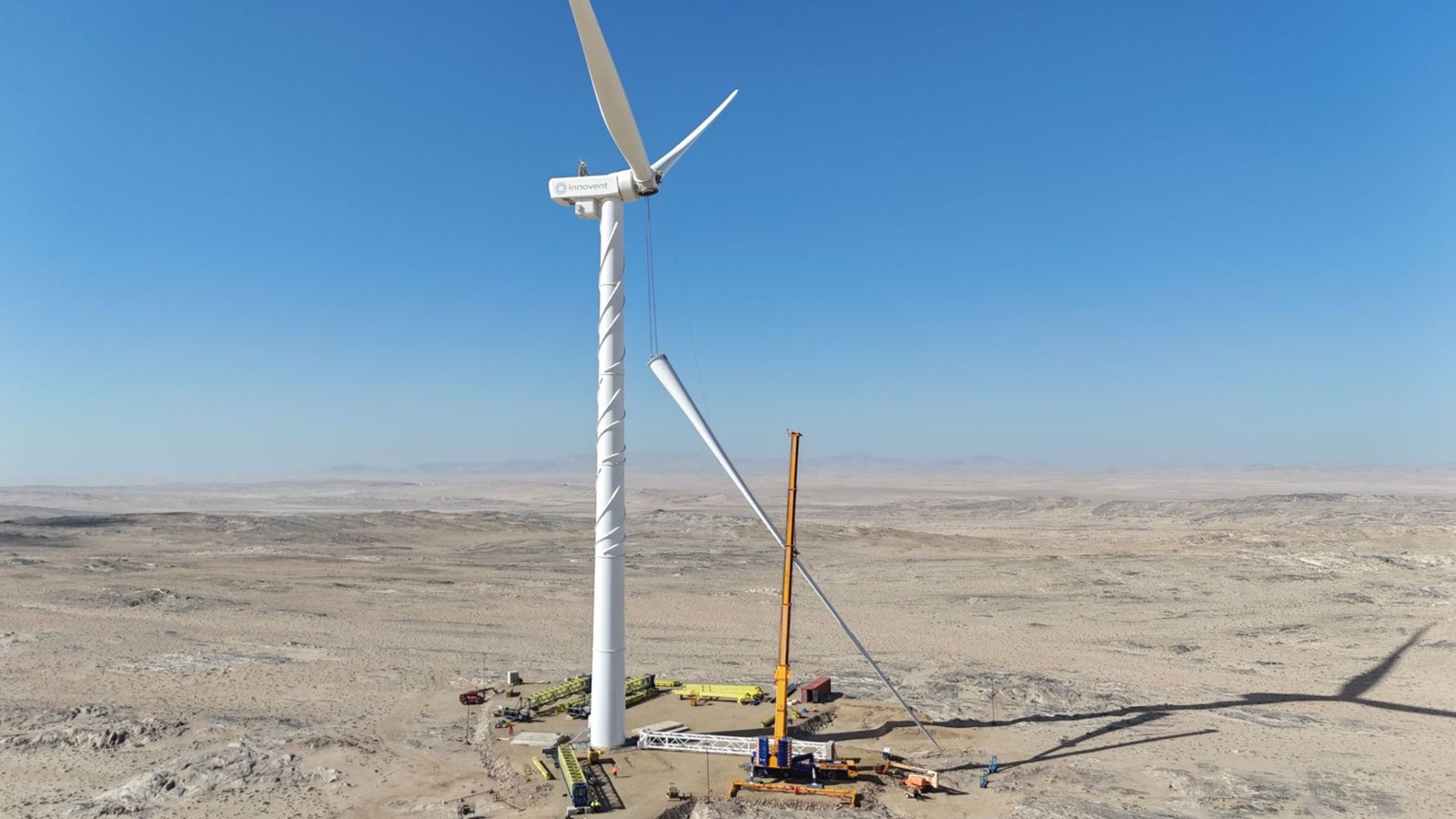
Wind farm in Namibia will have wind turbines assembled without giant cranes and is expected to avoid 200,000 tons of carbon dioxide per year when it becomes operational.


According to industry representatives, if the veto is confirmed, there will be immediate impacts on the expansion of renewable sources. The reason is simple: greater regulatory uncertainty.
Thus, projects related to green hydrogen and data centers may become less attractive. “The sector faces transmission bottlenecks that restrict the expansion of renewable sources in the Northeast,” technicians point out. Therefore, eliminating the reimbursement mechanism tends to reduce predictability and hinder investments.
Opposing Arguments to the Article and Fear of Cost Increases
On the other hand, Abrace — which represents large energy consumers and supports the veto — estimates that reimbursement could cost up to R$ 7 billion by the end of this year. The entity argues that this amount would be passed on to consumers, pressuring tariffs.
Aneel and experts also express concern. According to the regulatory agency, including the costs of curtailment in ESS (sector charges) would create a negative precedent by transferring to the final consumer risks that originally belong to the operation of the system.
Despite the criticisms, companies in the sector reject the idea that the compensation mechanism would significantly raise tariffs. For them, the calculations presented are inflated.
Elbia Gannoum, executive president of Abeeólica, asserts that “the compensation amount reaches R$ 2.8 billion.” She adds that there is a fund in the Electric Energy Trading Chamber (CCEE) with about R$ 3.8 billion available, which would allow for payment without the consumer facing new costs. However, Aneel has not yet validated this amount.
While the government evaluates the veto, the atmosphere in the electricity sector remains tense. The reform proposed in MP 1.304 seeks to reorganize rules and correct distortions, but the section on reimbursement has become the most sensitive point. Thus, the dispute places industrial consumers, regulators, and wind energy companies on opposite sides, all seeking to preserve their interests at a critical moment for the national energy matrix.