






 Portuguese
  Spanish
  5 min of reading
  0 comments


Expansion of Pipelines, Tariff Review, Biomethane and the Use of Gas in Heavy Transport Drive the Regulatory and Economic Agenda of the Brazilian Energy Sector in 2025, Requiring a Balance Between Competitiveness, Infrastructure, and Environmental Responsibility.
2025 Agenda Brings Strategic Priorities for Natural Gas, but Pressure for Lower Prices Challenges Infrastructure Expansion
Investing in the expansion of pipeline infrastructure without increasing the cost of natural gas for the consumer will be one of the main challenges for the Brazilian energy sector in 2025.
With the resumption of works that have been halted for more than a decade and the advancement of strategic projects such as Raia, in the Campos Basin, and Sergipe Águas Profundas, the country is preparing for a new phase of growth in the transportation network.
However, this expansion faces an urgent demand from society and large consumers: to keep gas affordable and competitive.
-
Oil production grows in Rio, but reserve replacement raises a warning sign

-
Petrobras is expected to complete the drilling of the Morpho well in the Foz do Amazonas in August 2026, the first well in the Equatorial Margin, an oil frontier that the ANP estimates at more than 30 billion barrels and could redraw the map of Brazil.

-
Oil returns to the center of concerns with tension between the US and Iran

-
IEA reduces forecast for global oil demand in 2026 after impacts of the Middle East crisis
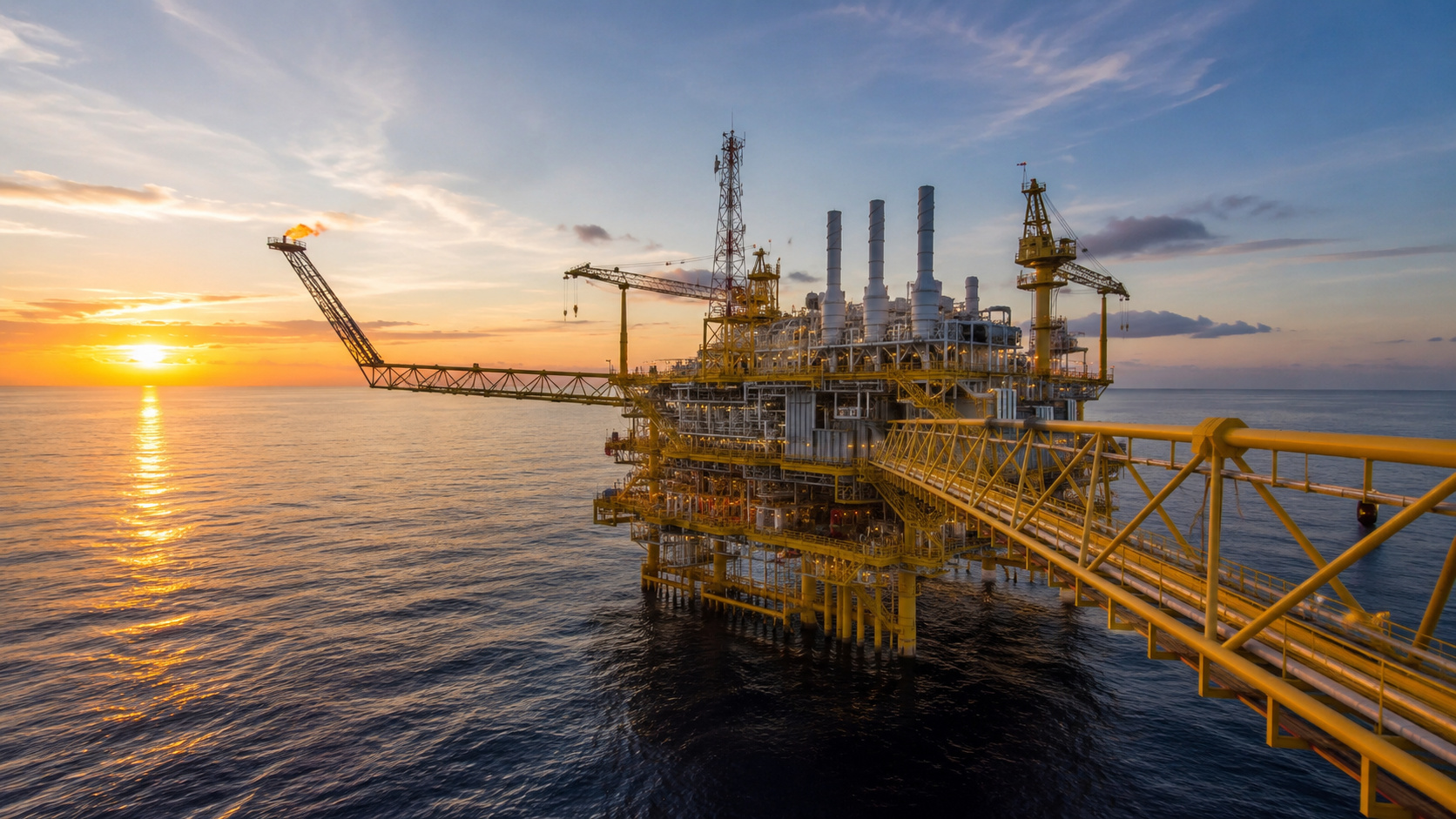


According to sector experts, the success of this mission directly depends on one key factor: demand, especially from thermoelectric plants.
During the panel Natural Gas and Biomethane: What Market Do We Want?, held by the agency Eixos at the opening of Gas Week 2025 on April 7, several representatives from the gas chain emphasized the need to better organize the links between supply, transport, and consumption to avoid price distortions and ensure energy security.
Tariff Review, Gas Release, and Biomethane Are Highlights on the Regulatory Agenda
Among the most urgent topics on the 2025 agenda are the tariff review of transport companies, the creation of a market deconcentration program — known as gas release — and the regulation of the so-called Fuel of the Future.
These measures are considered essential to increase the competitiveness of natural gas, expand its share in the energy matrix, and provide greater predictability for private investments.
According to the Ministry of Mines and Energy (MME), unlocking investments in the transportation network is a priority for the Gas Sector Monitoring Committee.
However, the ministry recognizes the challenge of reconciling overcoming infrastructure bottlenecks with the so-called “tariff moderation” — that is, the commitment to keep tariffs affordable for users.
Investments Need to Advance Without Penalizing Consumers
Adrianno Lorenzon, director of Natural Gas at the Brazilian Association of Large Energy Consumers and Free Consumers (Abrace), emphasizes that the review of the Regulatory Asset Base (BRA), planned in the tariff review, can contribute to reducing tariffs.
On the other hand, he warns that uncertainties about demand — especially from thermoelectric plants — hinder achieving lower prices.
The recent cancellation of the capacity reserve auction by the MME was, in Lorenzon’s view, a wise decision, as it allows more time to discuss technical parameters.
Still, the uncertainty about the future of the auction directly affects the calculation of transport tariffs.
“The auction influences the denominator of the tariff calculation. Fewer contractors result in higher tariffs for the other users”, explains Lorenzon.
This occurs because the transport system operates similarly to a condominium: the greater the number of participants, the lower the individual tariff value.
Transporters Demand Urgency and Regulatory Security
To make the planned projects feasible, transport companies advocate for the adoption of transitional rules that allow for the quicker release of new investments.
Rogério Manso, president of the Association of Natural Gas Transport Companies (ATGás), states that the Raia and Sergipe projects will require significant reinforcements in the transportation network.
He emphasizes that, after more than a decade without significant investments, the sector needs stability and legal security to grow robustly again.
“The industry and transport need to move together. It’s pointless to increase supply without having a destination for the gas,” argues Manso.
Supply and Demand Must Go Hand in Hand
Sylvie D’Apote, director of Natural Gas at the Brazilian Institute of Oil and Gas (IBP), reinforces the importance of aligning supply and demand.
She evaluates that the use of gas in heavy transport can be a promising alternative, but warns that there are still significant barriers, such as the undefined situation of thermoelectric plants.
“If the thermals exit the system, we will have severe impacts on tariffs,” points out Sylvie.
The Brazilian Association of Gas Distributors (Abegás) has long advocated for the creation of public policies aimed at the use of gas in heavy vehicles, such as trucks and urban buses.
Marcelo Mendonça, strategy and market director at Abegás, highlights the great potential for replacing diesel with natural gas, which would help increase the use of infrastructure and, indirectly, reduce costs for all.
Gas Release and Market Deconcentration Are Ways to Reduce Prices
Another topic gaining prominence on the 2025 agenda is the implementation of gas release, a mechanism aimed at deconcentrating the market currently dominated by Petrobras.
According to Adrianno Lorenzon from Abrace, this policy can help create a more competitive price signal for natural gas.
However, he states that the strategy should be applied cautiously, so as not to discourage investments in expanding supply.
“The focus should be on the gas that Petrobras purchases from third parties, such as that from PPSA, independent national producers, and imports from Bolivia”, suggests Lorenzon.
This way, it would be possible to stimulate market liquidity and ensure greater price predictability.
Biomethane and Decarbonization Come to the Fore with the Fuel of the Future
In addition to natural gas, biomethane — a renewable fuel derived from biogas — is also expected to gain prominence in 2025.
The regulation of the Fuel of the Future program, which will come into effect next year, and the effects of tax reform may shape the future of biomethane in Brazil.
Renata Isfer, president of the Brazilian Association of Biogas and Biomethane (Abiogás), assesses that the new regulatory framework can make biomethane more competitive compared to natural gas.
However, she notes that the change in the program — which previously set volume targets and now focuses on carbon reduction — has brought additional challenges.
“The shift to a decarbonization mandate makes the process more complex, requiring regulatory clarity to attract investments,” says Isfer.
The Path to the Future of Gas in Brazil Requires Balance and Planning
The Brazilian natural gas sector is at a decisive moment.
The need for infrastructure modernization, combined with the pressure for fair tariffs and more rigorous environmental policies, forces the government, companies, and society to seek integrated solutions.
In 2025, topics such as tariff review, expansion of the transportation network, encouragement of gas use in new segments, and strengthening of biomethane will be crucial in shaping the country’s energy future.
The key is to promote investments responsibly, ensuring energy security, competitiveness, and sustainability for the coming years.






-

1 person reacted to this.