






 Portuguese
  Spanish
  3 min of reading


One of the highlights of the week was the company Tenenge, which announced the end of the survey of the South Gas Terminal (SC), focused on oil and gas, that cuts 32 km from the cities of Garuva, São Francisco do Sul and Itapoá, in Santa Catarina (SC).
Keeping up with the main news of the week on the offshore sector, energy, industry, oil and gas is crucial to know what is happening in Brazil and abroad, and how this may impact the population’s pocket. With that in mind, CPG has separated a list of the main ones.
Tenenge completed the survey on the onshore pipeline of the South Gas Terminal (SC); extension exceeds 32km and cuts municipalities like Garuva, São Francisco do Sul and Itapoá
Through the press office, the company Teenage exclusively announced to CPG that it has finished the survey of the Gas Terminal located in Baía de Babitonga, Santa Catarina (SC). The creation of the Onshore project was developed to reduce Brazil’s dependence on Bolivia for cooking gas supply.
Marco Aurélio Barros, engineer and contract manager, stated that the project had a repair rate of 3.2%, proving that they managed to deliver the project in a short time with exponential cost reduction.
-
Brazilian Joins Homeownership Consortium, Faces Decade of Dual Payments Totaling $141,000, Surpassing Traditional Mortgage

-
Land Rover to Halt Production in July, Putting 371 Jobs at Risk, as Chinese Automaker Negotiates to Convert Factory to 100,000 Vehicles Annually by 2027

-
Mexican Pest Threatens U.S. Cattle Herds at Historic Lows, Potentially Boosting Brazilian Beef Exports as Burger Prices Soar

-
Brazilian Freight Bill Progresses in Congress with $5,000 Minimum Wage, 70% Advance Payment, and Fines Up to $1 Million, as Agriculture and Industry Warn of Rising Costs and Legal Uncertainty


Minister Speaks Out Again About Fuel Prices by Petrobras: “It’s Not Under Government Control (…) It’s Hard for the Public to Understand”

After a new increase in fuel prices, Minister Adolfo Sachsida spoke out on Tuesday, June 21, stating that it is not within the reach of the population to understand the increases and movements in the external market. According to him, price fluctuations cannot be controlled by the federal government even though they are among the largest shareholders of the state-owned company.
The announcement came after the resignation of the company’s president, Marcos, who had been receiving criticism from Jair Bolsonaro and Lira, president of the Chamber of Deputies, about his candidacy “not being legitimate.” The resignation occurred at a key and historic moment for the company, when they announced a new price increase of at least 14% on diesel and 5% on gasoline. Now, Santa Catarina officially has the average price of gasoline per liter above R$ 8 and is likely to reach over R$ 10 by the end of 2022. Everything will depend on the election results in October and the price of the dollar, which ended the session last Thursday, June 23, up at R$ 5.24.
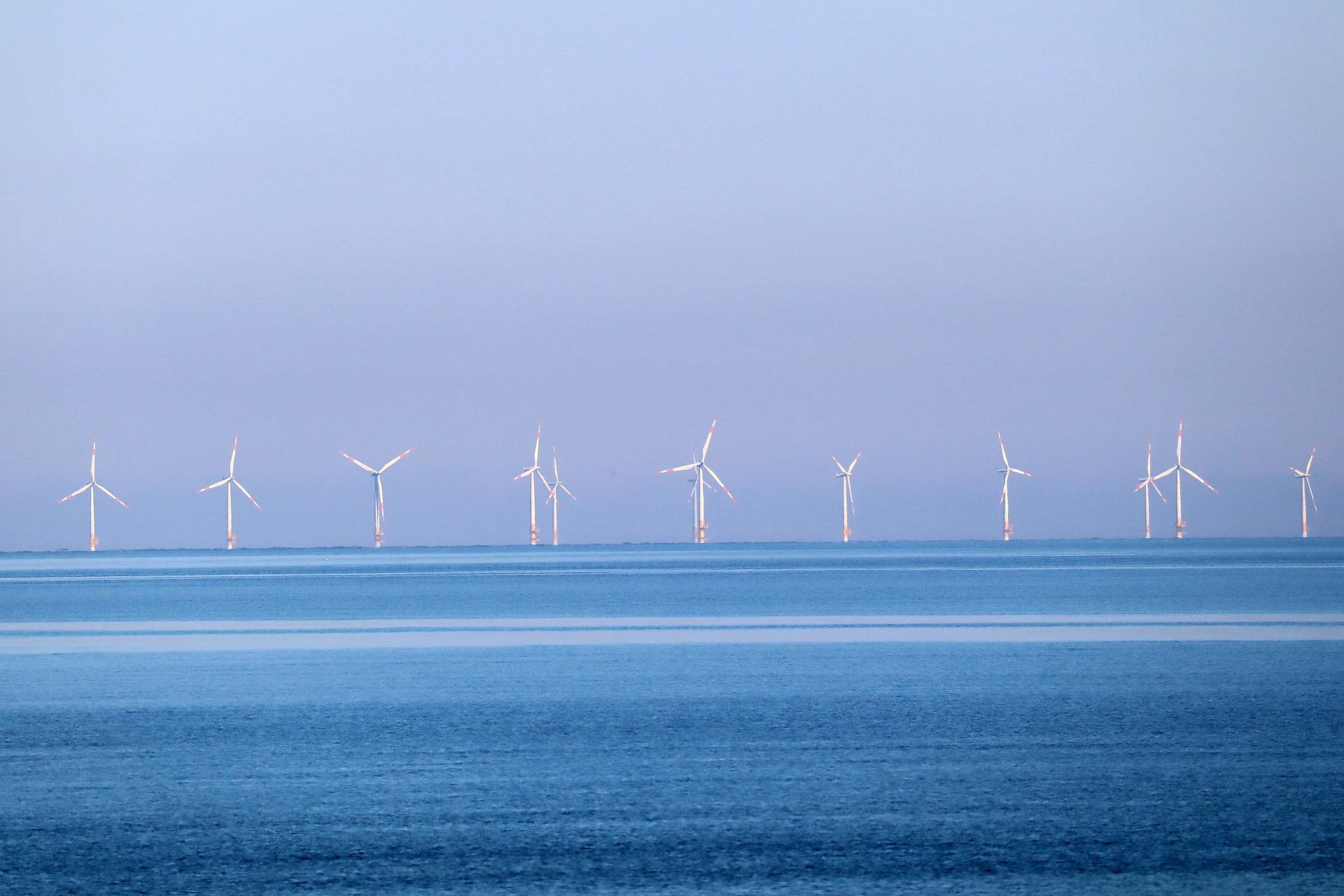
Oil and Gas Multinationals Create Partnership for the Construction of an Offshore Wind Farm with a Capacity of 1 GW
The Greek government reported this week, through a press conference, that it intends to invest more than 1.6 billion euros received in donations so that the country can transition to solar and wind energy. In other words, reduce its intense dependence on fossil fuels, oil, and gas.
Based on this, they declared they would invest in both new offshore companies as well as those already in the market interested in financing. Thus, Parkwind announced the start of a partnership with Intrakat for the construction of floating offshore wind farms with a multi-million dollar value. The goal is to increase energy efficiency and escape the increase in coal that reaches 103% in just one year.
Polycrystalline Silicon, Material Used for the Construction of Solar Photovoltaic Panels, Has Its Highest Rise in 11 Years
Polycrystalline silicon, used for the construction of solar photovoltaic panels, is experiencing its highest rise in the last 11 years. With this in mind, the renewable energy sector is likely to be harmed by inflation caused by stock shortages.





Be the first to react!