Portuguese
  Spanish


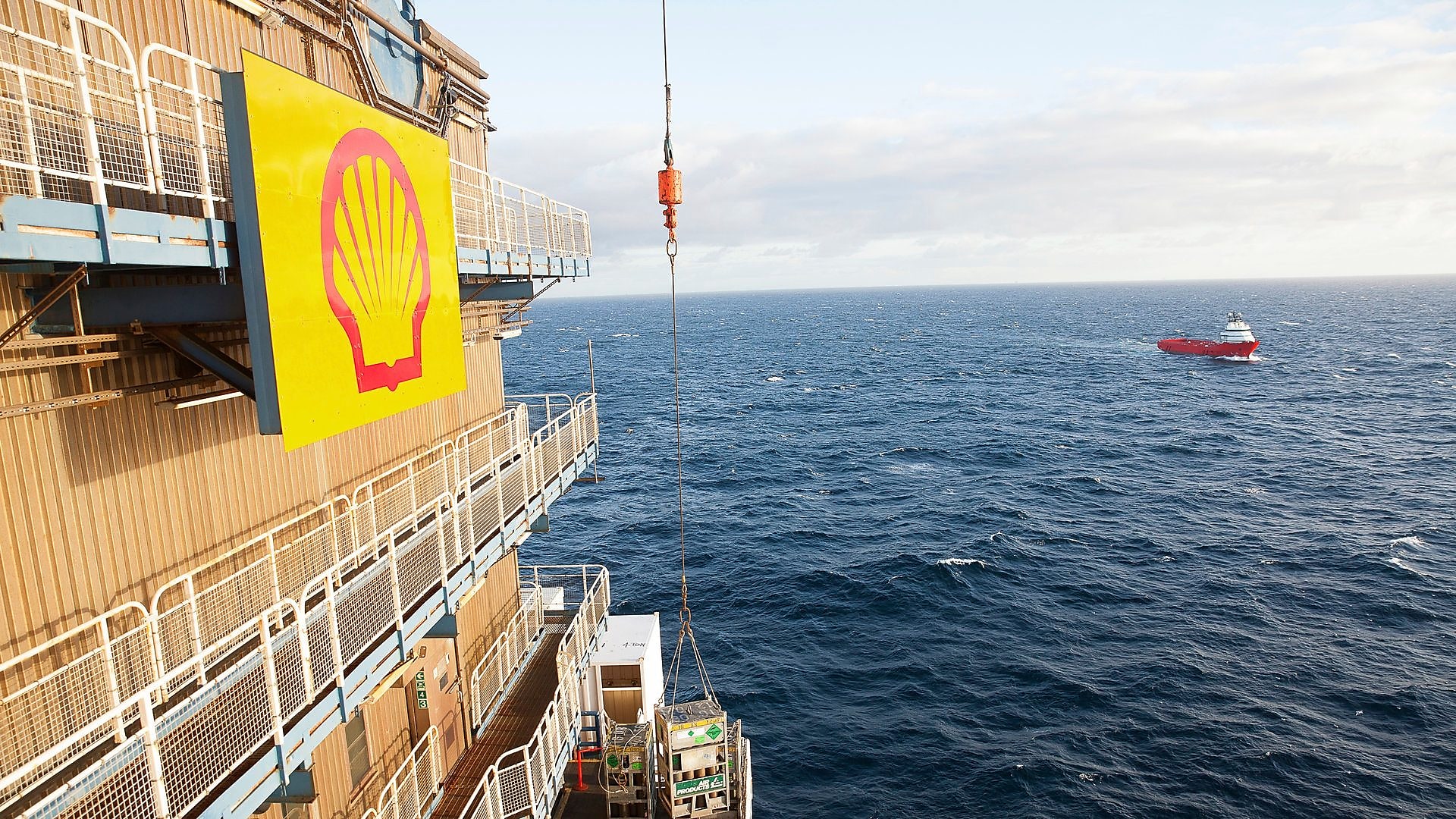

Shell Transformed Brazil Into One of Its Main Growth Markets When It Acquired BG Group in 2015, Giving It Access to the First Oil Discoveries of the Pre-Salt.
Shell Completed the Exploration of Its First Oil Well in the Saturn Block on June 13. However, the Advisory from the National Agency of Petroleum (ANP) Confirmed That It Was a Dry Well, While the Oil Company Stated That It Could Not Comment Due to the Quiet Period Before the Balance Sheet Disclosure. Petrobras Initiates the Process of Contracting Three New FPSO-Type Platforms for the Búzios Field in the Pre-Salt of the Santos Basin
Read Also
- According to the ANP, Decommissioning Platforms Could Bring a Sea of Opportunities to Our Shipyards
- Local Content: With the New Rule Proposed by the ANP, 1.3 Billion Reais in Fines Can Be Converted into Investments in the National Industry
- Naval Construction Resumption! Petrobras Will Return to Manufacture Its Own FPSOs, and Shipyard EBR Is One of the Pre-Qualified
Shell Transformed Brazil Into One of Its Main Growth Markets When It Acquired BG Group in 2015, Giving It Access to the First Discoveries of the Pre-Salt, Which Are Now Its Largest Producers.
In 2018, Shell and Chevron Won the Exxon Mobil in the Bidding with a Signing Bonus of US$ 780 Million for the Block. The Company Also Discovered Oil in the Alto de Cabo Frio Oeste, and Petrobras in Uirapuru, but Preliminary Information Indicates That Both Wells May Not Overcome Economic Hurdles, According to Marcelo de Assis, Head of Upstream Research at Wood Mackenzie.
-
OPEC+ Boosts Oil Supply by 188,000 Barrels per Day in July 2026, Leading to Price Drop from $112 to $89 per Barrel in Under Two Months

-
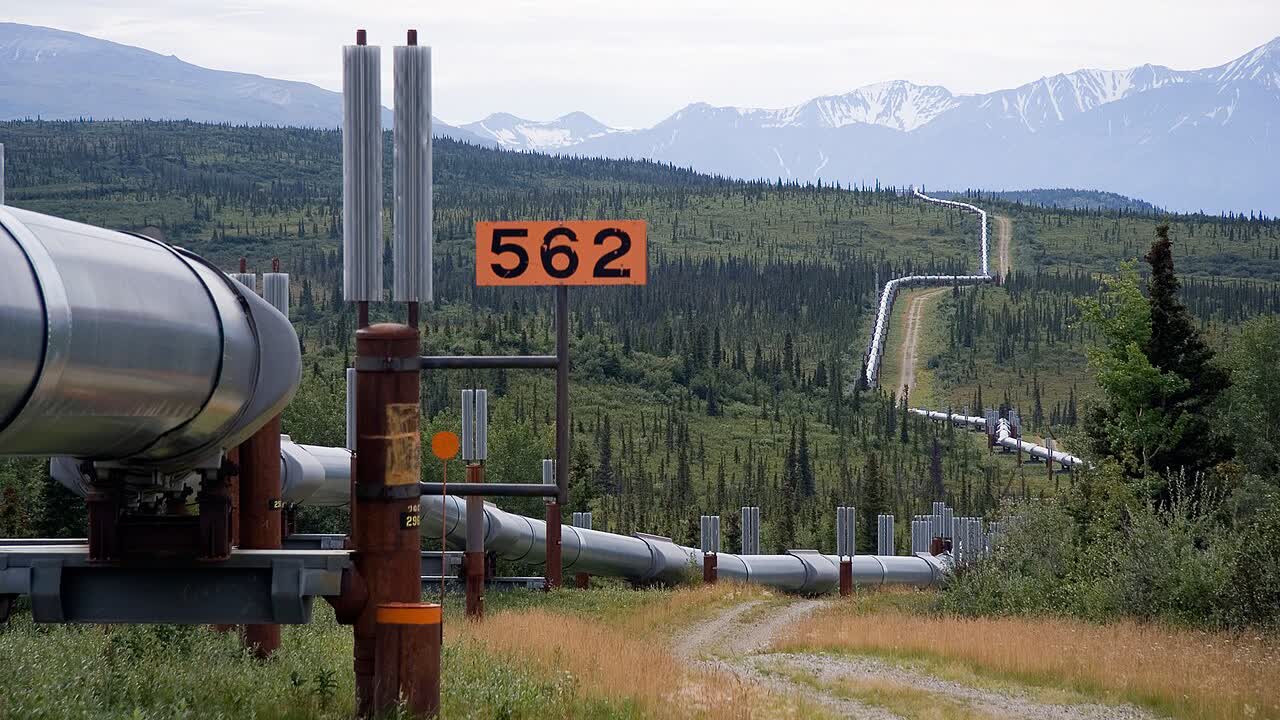
TotalEnergies Signs 20-Year Deal to Purchase 2 Million Tons of LNG from Alaska, Boosting Project Viability
-
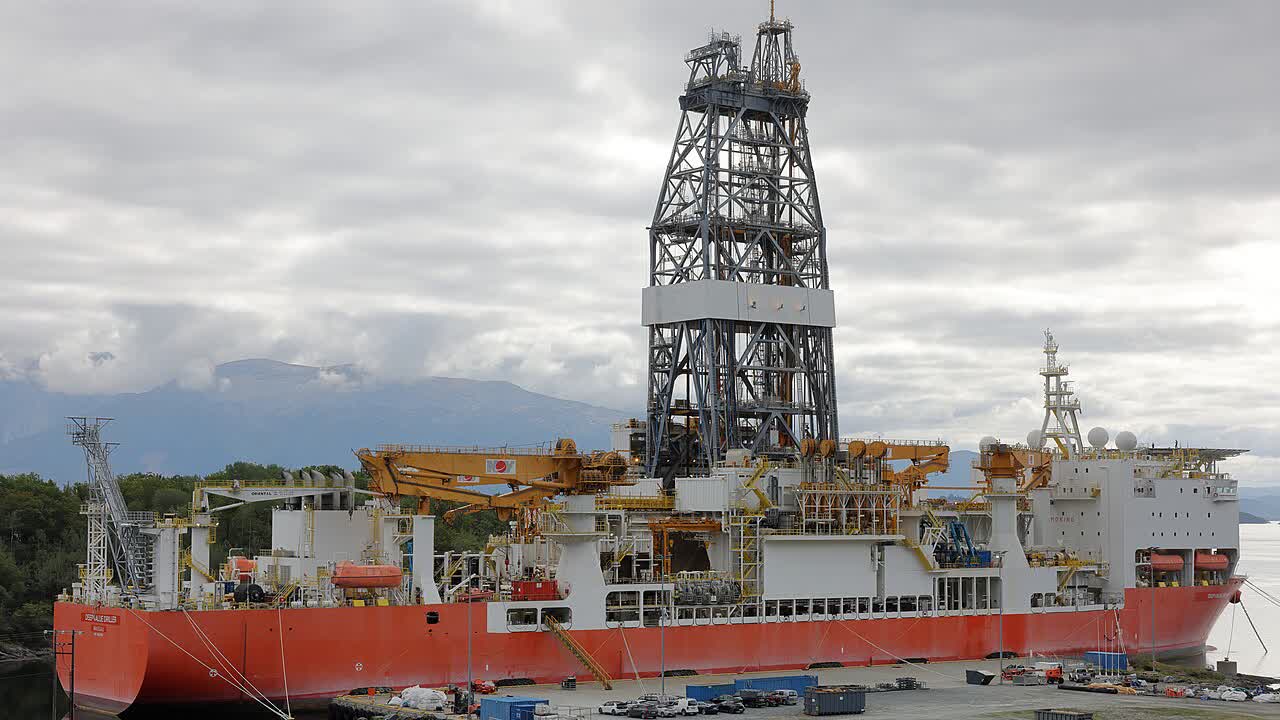
Turkey Deploys Çağrı Bey Drilling Ship to Explore New Oil Frontier Off Somalia’s Coast
-
Golden Pass LNG Ships First Liquefied Gas Cargo from the U.S., Completing $10 Billion QatarEnergy and ExxonMobil Investment

“If You Eliminate All These Wells, Future Production Linked to Exploratory Activities Will Decrease Significantly,” the Head Told Bloomberg. “This Will Reduce Interest in Future Bidding Rounds and Increase Pressure in More Favorable Fiscal Terms.”
The Results Add Up to a Series of Setbacks in Exploration Activity Outside the Initial Set of Giant Fields That Transformed Brazil Into the Largest Producer in Latin America and a Global Hub for Oil Exploration.
Moreover, the Event Could Be a Sign That Petrobras May Have Already Captured the Best Oil Deposits in the Region. “There Is a Risk That the Best Fields Have Already Been Discovered. The Pre-Salt Polygon Is a Huge Area and Can Be Quite Heterogeneous from a Geological Perspective,” Assis Stated.
According to Bloomberg, Petrobras Also Has a Program to Completely Eliminate Dry Wells, Using Artificial Intelligence to Leverage Accumulated Exploration Data and Reduce the Time Needed to Initiate Commercial Production.