Portuguese
  Spanish


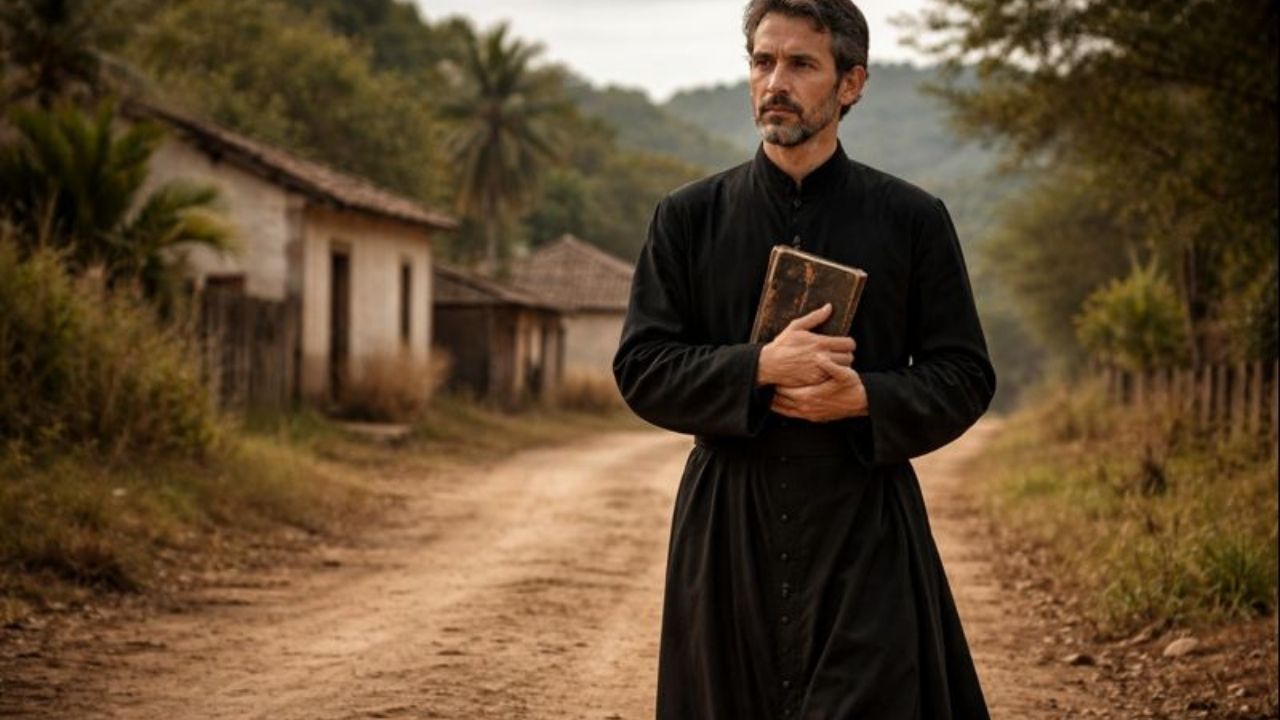


Few People Know The Story Of The Priest Who Became The First Evangelical Pastor In Brazil And Changed The Course Of The Church In The Country.
In 19th Century Brazil, an unprecedented event broke religious and institutional barriers: the ordination of the first evangelical pastor born in the country took place; who played a leading role in this turning point was José Manuel da Conceição, on December 17, 1865.
In the context of the Presbyterian expansion in the interior of São Paulo, after a public break with the Catholic church, due to theological convictions matured over years of biblical study and contact with Protestantism.
The unique trajectory of a priest who became the first evangelical pastor in Brazil turned into a symbol of religious freedom in the country.
-
Tourist Discovers Forgotten Joaquín Sorolla Painting Worth Up to 60,000 Euros While Strolling in Seville

-
Brazil’s Fernando de Noronha Boasts World’s Most Beautiful Beach, Accessible Only by Descending 208 Cliffside Steps and With No Food Vendors Allowed

-
Wave Rock: Australia’s Giant Granite Wave Stands 15 Meters Tall, Spans 110 Meters, and Showcases 2.7 Billion Years of Erosion in the Australian Desert
-
How to Unclog Showerhead Holes Blocked by Limescale and Hard Water Without Replacing or Hiring a Technician




The date of his ordination as a pastor came to be celebrated as Presbytherian Pastor’s Day.
More than an institutional landmark, Conceição’s story reveals tensions, persecutions, and personal choices that helped reshape the Brazilian religious landscape.
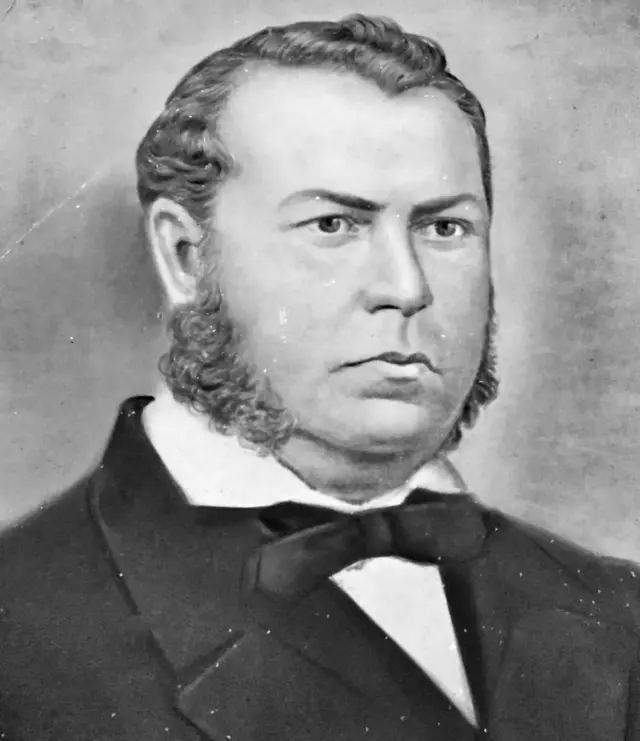
Catholic Roots In São Paulo And The Call To The Priesthood
Born into a Catholic family in the city of São Paulo, José Manuel da Conceição grew up in an environment of popular faith.
Son of a Portuguese immigrant mason and a woman of Azorean descent, he moved as a child to Sorocaba, in the interior of São Paulo.
According to theologian and historian Gerson Leite de Moraes, the young man was formed in a Catholicism marked by ritual practices, with little theological foundation.
Even so, the example of a great-uncle priest, who taught him to read, awakened in him the desire to follow a religious life.
The Contact With Protestants And The First Unease
In the 1840s, upon returning to São Paulo to study theology, Conceição began to work in the region of Fazenda Ipanema, near Sorocaba.
It was there that he met European Protestant families, mainly English and German, connected to the São João de Ipanema Iron Factory.
Living with these groups drew his attention due to their religious discipline and their constant habit of reading the Bible.
Additionally, his friendship with a Danish physician broadened his cultural horizons, with studies in geography, history, and German. This period was decisive for his gradual rapprochement to Protestantism.
Ordained Priest, But Seen As A Dissident Of The Church
In 1845, Conceição was ordained a Catholic priest and sent to Limeira. However, his work soon aroused suspicion within the church.
He encouraged direct reading of the Bible and showed little attachment to rituals, attitudes perceived as Protestant influences.
Reports indicate that he was even accused of iconoclasm for questioning the use of religious images.
These positions led to successive transfers to cities in the interior of São Paulo, such as Piracicaba, Taubaté, and Ubatuba, in an attempt to reduce the social impact of his ideas.
“Mad Priest” And Institutional Isolation
Over time, Conceição came to be called “mad priest” or “Protestant priest.” According to records from the Presbyterian newspaper O Puritano, he himself recognized his inadequacy within Roman Catholicism.
“I was destined for the priesthood, but reading the Bible and my contacts with Protestants made me a poor candidate and later a very, very poor Roman Catholic priest,” he reportedly stated.
The isolation within the church and the rejection from the hierarchy deepened his internal conflict.
The Definitive Break And The Emergence Of The First Evangelical Pastor
In September 1864, Conceição officially renounced the Catholic priesthood. Shortly thereafter, he publicly converted to Presbyterianism, being baptized by the American missionary Alexander Latimer Blackford.
A year later, he became the first evangelical pastor born in Brazil, at a time when Catholicism was still the official religion of Brazil.
Until then, the Protestant leaders operating in the country were predominantly foreigners, which makes his achievement even more significant.
Itinerant Preacher And Social Resistance
As a pastor, Conceição declined fixed positions and chose to work itinerantly. On foot, he traveled through the interior of São Paulo, southern Minas Gerais, and Rio de Janeiro, preaching and distributing Bibles.
Despite the admiration of many believers, he faced hostility, prejudice, and even physical violence. In his work Profession of Evangelical Faith, he reported persecutions “incited” by members of the Catholic clergy, reflecting the climate of religious intolerance of the time.
Tragic Death And Legacy For Brazil
In December 1873, weakened by fragile health, Conceição was traveling to Rio de Janeiro when he was arrested for vagrancy, mistaken for a beggar. Released days later, he died on December 25, Christmas Day, without being recognized.
For scholars, his trajectory consolidated religious pluralism in Brazil. By breaking with the Catholic monopoly, the former priest paved the way for faith diversity and for the freedom of religious choice that today characterizes Brazilian society.