






 Portuguese
  Spanish


Measurements made in an active mine near Timmins, Ontario, revealed white hydrogen naturally coming out of billion-year-old rocks of the Canadian Shield, with potential to generate energy, support mines, and reduce dependence on fossil fuels
White hydrogen found in billion-year-old rocks of the Canadian Shield was directly measured in an active mine near Timmins, Ontario. Geochemists from the University of Toronto and the University of Ottawa monitored the natural accumulation of the gas.
The study points to a possible source of clean energy formed in the Earth’s crust. The measurements were published in the Proceedings of the National Academy of Sciences and report hydrogen discharging from the ancient rocks of the Canadian Shield.
The evaluated drillings release, on average, 0.008 metric tons per year. The volume corresponds to about 8 kilograms of hydrogen, weight compared to that of a car battery.
-
Queen Guitarist Brian May Collaborates with ESA Scientists to Study Asteroids Bennu and Ryugu Using 3D Simulations

-
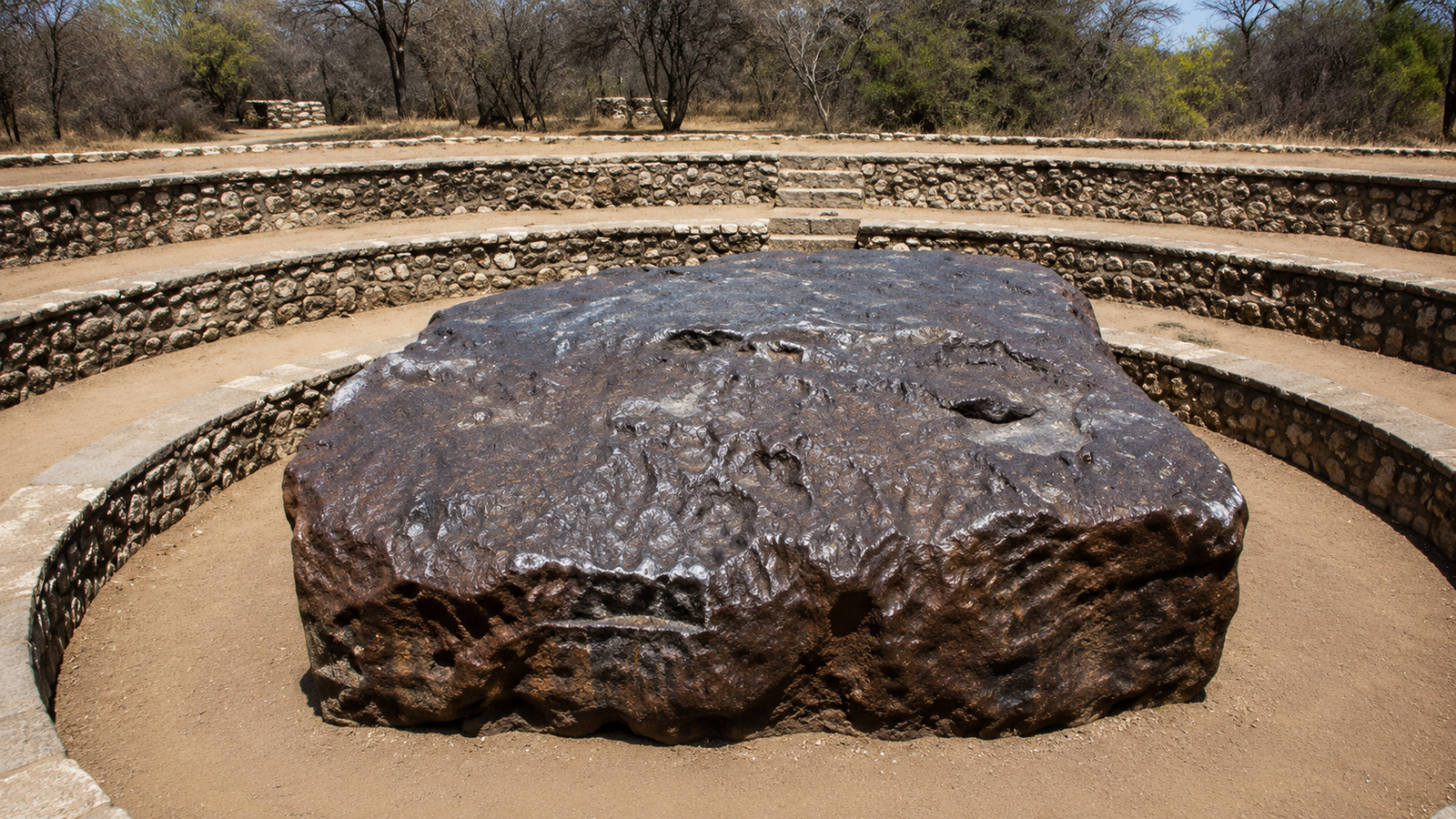
Largest Known Single-Piece Meteorite, Weighing 60 Tons, Puzzles Scientists with Its Intact Fall and Lack of Visible Crater

-
Oceanographer Turns Abandoned Fishing Nets from Brazilian Waters into Bags, Creating Jobs and Earning Over $7,000 Monthly

-
Australia deploys poisoned sausages and uses traps, shooting, and fences in a battle against invasive cats that kill over 1.5 billion native animals annually, threatening more than 200 species.




According to the researchers, these discharges can continue for 10 years or more. Long-term monitoring indicated sustained accumulation and release of natural hydrogen generated in the Earth’s crust.
White hydrogen measured in active mine
The estimate made from the nearly 15,000 existing holes on site points to a total discharge exceeding 140 metric tons per year. This potential gained prominence for involving measured data, not just theoretical quantities.
The discharges could provide 4.7 million kilowatts of energy per year from a single location. This volume would be enough to meet the annual energy needs of more than 400 households.
Barbara Sherwood Lollar, professor at the University of Toronto and principal author of the study, stated that the data suggest unexplored critical opportunities. For her, the source can be accessed in the rocks beneath our feet.
The resource, described as “made in Canada,” could support regional industrial centers. It could also reduce dependence on hydrocarbon-based fuels.
Current production still depends on intensive processes
The global hydrogen economy is a $135 billion industry. Its main uses are in methanol and steel production, although the largest use is in fertilizer production.
Therefore, hydrogen is a fundamental component in agriculture and is linked to global food security. Currently, it is produced by energy-intensive industrial processes and based on the conversion of hydrocarbons.
These hydrocarbons are present in fossil fuels such as oil, natural gas, and coal. During production, the processes also release carbon monoxide and CO2.
Even green hydrogen, generated from renewable sources, consumes a lot of energy. It is also expensive to produce and requires long-distance transportation and storage.
Until now, white hydrogen had been investigated almost exclusively by microbiologists. These studies aimed to understand the underground biosphere and inform astrobiology and space exploration.
The potential contribution of natural hydrogen to the global economy remained speculative. The study led by the University of Toronto documented large volumes and sustained discharges over years.
Underground reactions create natural gas
Sherwood Lollar explained that natural hydrogen is produced by underground chemical reactions. They occur between rocks and the groundwater of these rocks.
According to the researcher, Canada has areas with rocks and minerals suitable for creating natural hydrogen. This occurs especially in the territories of the Canadian Shield.
The researchers claim that the country has the potential to offer an alternative to industrially produced hydrogen. The proposal involves cheaper and cleaner sources, without the need for hydrocarbons.
The study notes that the largest volumes of natural hydrogen appear in the geological scenarios of Canadian mining. These locations include northern Ontario, Quebec, Nunavut, and the Northwest Territories.
Oliver Warr, co-author of the study, summarized the relationship by stating that “the common link is the rock.” He associated the gas with the same formations linked to nickel, copper, and diamond.
These rocks are also under exploration for essential minerals such as lithium, helium, chromium, and cobalt. The co-location of resources can reduce transportation, storage, and hydrogen infrastructure.
Local energy for mines and communities
The authors suggest that this unexplored resource could reduce costs and carbon footprints for mines in Canada. It could also provide local clean energy for northern communities.
This model could offset carbon emissions from the mining industries. Additionally, it would have the potential to reduce fuel transportation costs for northern communities.
With the new data, the researchers say they have a better understanding of the economic viability of this resource. White hydrogen can be mapped in known and yet undiscovered deposits worldwide, on a global scale.





Wow this is incredible! Thanks for sharing this