






 Portuguese
  Spanish
  5 min of reading
  0 comments


Energy Transition Requires Balance Between Accelerated Energy Growth and Energy Security, Optimizing Hybrid Systems and Decentralization.
The energy transition is dominating global discussions, and it’s not without reason. This restructuring of the global energy matrix aims to abandon fossil fuels in favor of cleaner and more sustainable sources. In recent years, significant advancements have transformed the landscape, with countries ramping up efforts to reduce carbon emissions. Each day, more countries announce ambitious plans to invest in renewable energy and reduce their dependence on fossil fuels. Recently, the International Energy Agency reported that renewable energy generation capacity has grown by an average of 4% per year since 2010, demonstrating that this change is irreversible.
The complete energy transition process is not simply technical; it also involves defending regional interests, balancing energy growth and energy security. According to a 2020 publication from the World Economic Forum, one of the biggest challenges is ensuring that all regions have equitable access to new technologies. In 2023, for example, countries like Germany and Japan seized opportunities to reassess their energy policies, investing in large solar and wind energy projects. The success of this transition is intrinsically linked to each country’s ability to adapt to its specific energy needs.
Impacts and Adaptations of Global Energy Change
The effects of energy change are already visible, such as the decrease in renewable technology costs. The Intergovernmental Panel on Climate Change highlighted in 2019 that solar energy costs have plummeted by 82% since 2010, making projects in previously unexplored areas feasible. With this trend, hybrid energy systems, which combine different energy sources, have become essential in this transition landscape. Partnerships between nations, such as the agreement between the United States and India in 2023 for cooperation in clean technologies, exemplify how this model can be effective. These strategies demonstrate global commitment to making this transition a reality for all.
-
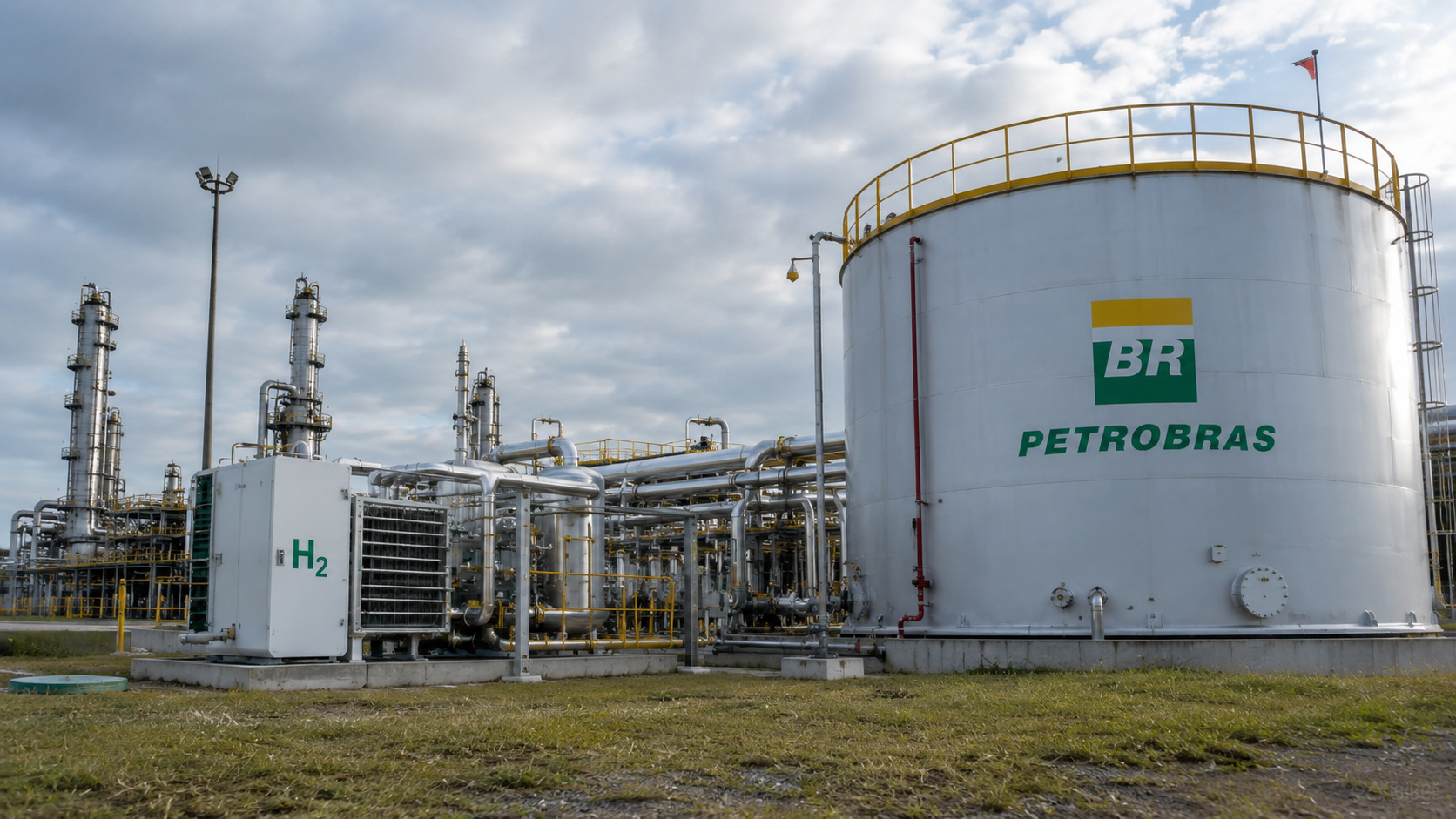
Brazilian scientists are simultaneously advancing two research projects on clean hydrogen and driving solutions that could transform the energy matrix, enhance industrial competitiveness, and accelerate large-scale emission reduction targets.

-
Advancement in renewable energy: A R$ 150 million project launched by Petrobras and Finep aims to create state-of-the-art electrolyzers for green hydrogen, strengthening national research and preparing Brazil to compete in a billion-dollar energy market.
-
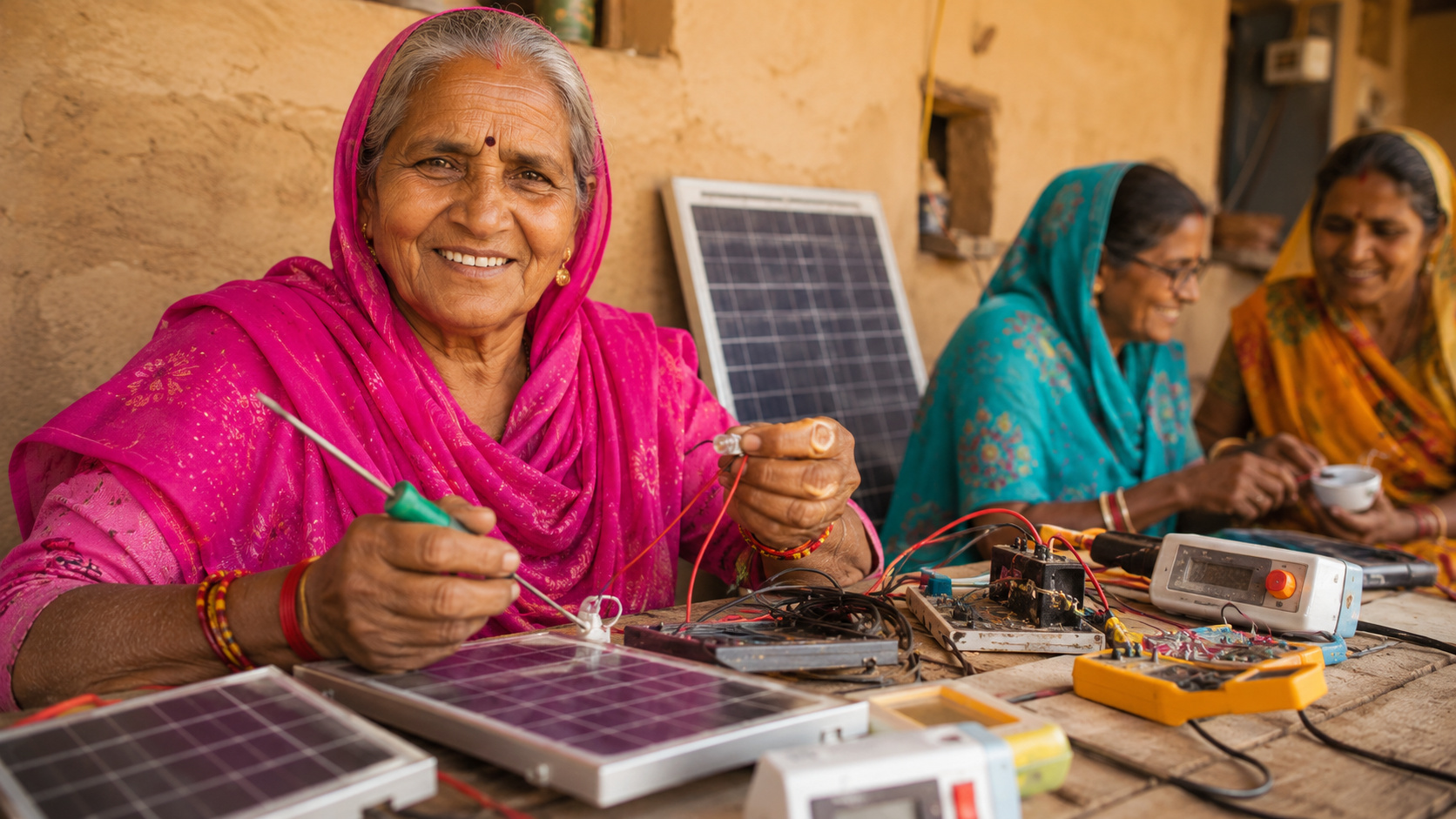
Illiterate or semi-literate grandmothers were trained to repair solar systems, open rural workshops, and light up homes that still depended on kerosene.
-
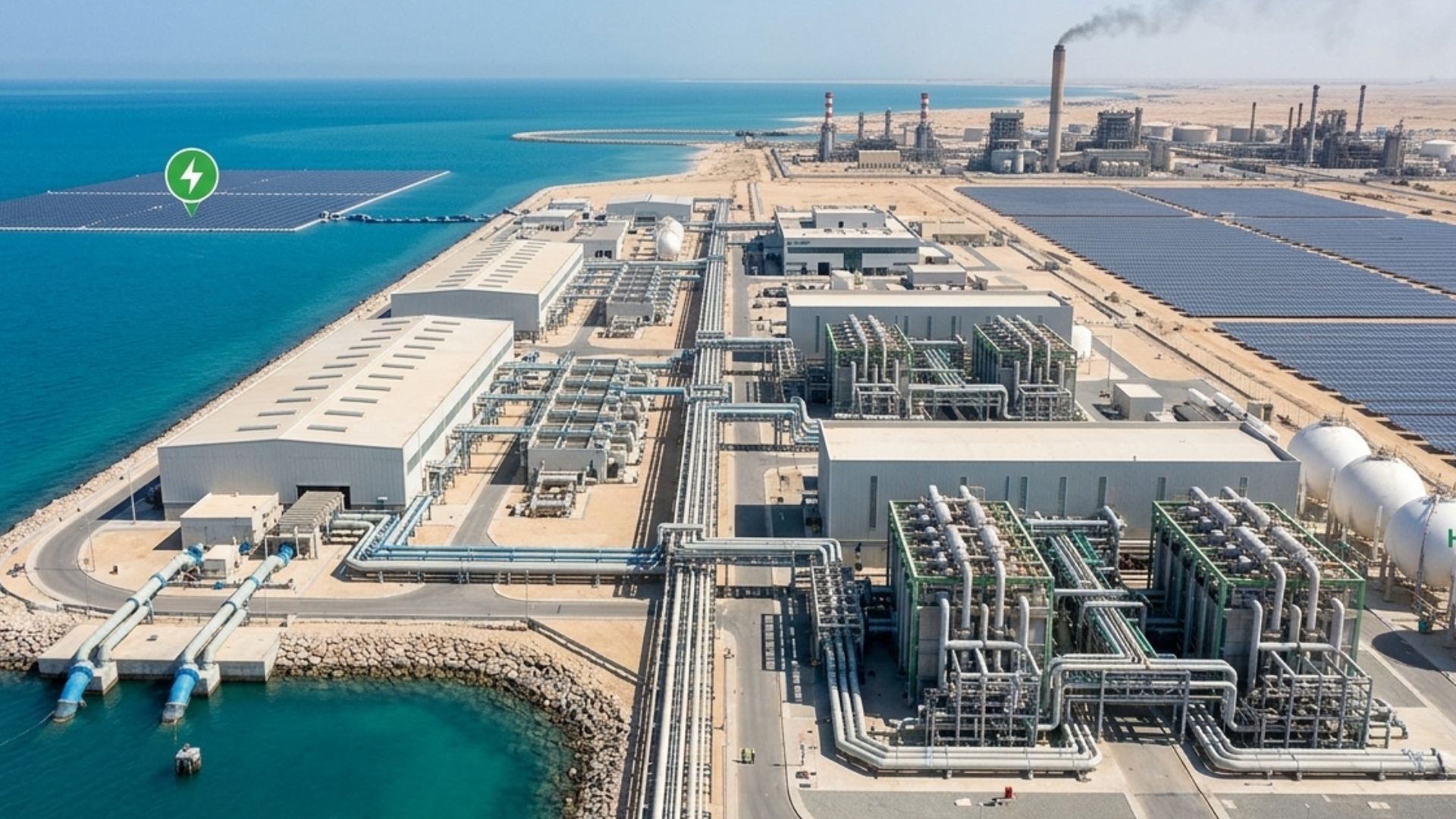
The world has bet on green hydrogen as the fuel of the future, but now faces the side effect: producing 1 kilogram requires about 9 liters of ultrapure water, and the largest projects on the planet are precisely in the driest regions of the Earth, where water is already scarce for people.


However, we must not forget the role of decentralization in energy transformation. This movement allows local communities to have greater control over energy production and consumption. In 2021, a report from IRENA emphasized that decentralization can positively influence energy efficiency. For example, cities like Amsterdam and Copenhagen have already implemented successful decentralized models, inspiring other regions to follow suit. A notable example is the ongoing project in Denmark, designed to be completed by 2025, promoting a drastic reduction in the dependence on energy imports.
The energy matrix transition remains a complex but promising process. As it overcomes challenges, the world witnesses a true revolution in the way energy is produced and consumed. Study after study, in 2022 it was evidenced by institutions such as BloombergNEF that continuous investments are crucial to sustain the growth of renewable capacities. The future looks greener, and efforts show no signs of slowing down, making energy transition a central theme for the coming decades.
Defense of Interests and Energy Security
The energy transition is a central topic of debate in various spheres, but the defense of specific sectoral interests often overshadows the broader and more balanced analysis that this crucial issue deserves. It is essential that this transition process be discussed and built as a robust bridge that unites varied interests of society while ensuring the fulfillment of a fundamental need: energy security.
There are still 246 locations in Brazil, totaling about 740,000 people, waiting for the chance to access electricity to boost their development and well-being. This reality highlights the urgency of prioritizing this issue. Families in these regions are clamoring for energy, regardless of its form or origin. At the same time, it is essential to consider the deterioration of quality and availability of energy in Brazil, a critical point that cannot be overlooked.
Challenges and Energy Resilience
The dreaded ‘blackouts’ have become more frequent, causing significant damage across various economic and social sectors. Since 2021, energy resilience has emerged as one of the top five concerns among executives, investors, and entrepreneurs. When examining indicators of duration and frequency of failures in the Brazilian distribution networks, known as DEC and FEC (Duration of Outage and Frequency of Outage), an impressive deterioration of more than 80% in these crucial indicators is evident.
Despite these troubling data, some groups vehemently advocate for speeding up the energy matrix transition, utilizing unsustainable subsidies or investments from development banks, which ultimately come from the pockets of final consumers, tax payers. Rushing this process can bring significant complications.
Growth and Challenges in Energy Generation
The rapid growth of wind generation, which increased from 3 GW to 30 GW in the last decade (drawing large blocks of energy far from consumer centers, thus putting pressure on the transmission system) and the 40-fold multiplication of installed solar generation capacity in the country, reaching 52 GW by 2024, have brought to light challenges that have not been adequately mapped in the operation of systems, such as managing power flows and the intermittency of sources.
This scenario has resulted in the ‘generation cuts’ crisis, also known as ‘curtailments’, inaugurating a phase of heated discussions and lawsuits, where investors and associations are demanding compensation for lost revenue. Meanwhile, ANEEL argues that the cuts are necessary to protect the system. Estimates for 2024 point to revenue losses between R$ 1 to 1.6 billion.
Infrastructure and Climate Events
Such events occur in a context of aging infrastructure, increased energy consumption – intensified by the deployment of mega Data Centers in Brazil – and increasingly erratic and intense climate events. The recent experience with natural disasters in São Paulo, Rio de Janeiro, and Rio Grande do Sul over the past twelve months illustrates this challenge well.
In this context, it is vital to seek balance and reopen dialogues. There are technical solutions of various scales with the potential to be integrated into the Brazilian electrical system. Technologies such as battery systems for stabilizing transmission and distribution networks, reverse plants that use excess energy to pump water back to reservoirs, and the promising production of green hydrogen through renewable sources are examples.
Innovative Solutions and Carbon Economy
The hybridization of systems also presents itself as a viable solution, combining thermal systems, such as gas or diesel, with batteries and solar sources. This approach enables decentralization and rapid implementation of small- and medium-scale projects, up to 10 MW. With hybridization, consumers get the best of each source: batteries store solar energy and optimize its use, while thermal sources ensure energy security or complement supply.
Installation costs range from R$ 3,000 to R$ 7,000 per KWh, while carbon emission reduction can reach up to 75%. In this context, all components, such as solar panels, batteries, and generators, are optimized, reducing total investment, or CAPEX, and ensuring energy security and decarbonization. Sectors such as agribusiness, small and medium industries, and specifically the logistics sector are already adopting these solutions.
It is now up to public authorities, associations, and regulators to broaden the debate and ensure that solutions that truly meet society’s aspirations have space. The energy transition should be seen as an inclusive bridge and not as an elevator aimed at a few.
Source: Arthur Lavieri, CEO of Tecnogera







Be the first to react!