







 4 min of reading
  0 comments


Traditional establishments in Três Fronteiras and Nova Canaã Paulista preserve artisanal flavors, trust relationships, and memories built over several generations.
Old small shops in the countryside of São Paulo remain open, even after profound economic and social changes in the countryside.
For decades, these establishments supplied families who lived on farms and worked in the region’s fields.
Currently, small businesses no longer concentrate all the residents’ purchases. Still, they preserve memories, traditions, and community bonds.
-
Chinese students build a 6.06-meter remote-controlled paper airplane, achieve a flight of almost 15 minutes, and turn a school pastime into an engineering project to attempt a world record.

-
He started with a jigsaw, his father’s screwdriver, and many drawings made during classes; years later, the young man who built a roller coaster in his own backyard went viral on the internet, was hired by Cacau Park, and now coordinates Brazilian and foreign professionals in the installation of an attraction weighing 737 tons, 55 meters high, one kilometer long, featuring moments of zero gravity and a speed of 120 km/h, in a journey that turned curiosity, calculations, and persistence into a professional career.

-
Between Egypt and Sudan, Bir Tawil is no man’s land that neither country wants on paper, but in practice has gold mining, nomadic tribes, and even fake “kings.”

-
Swimming champion Shavarsh Karapetyan dove about 40 times into a frozen lake in Armenia to rescue a sunken bus, saved 20 lives, and lost his career because of it.


The story was presented by the program Nosso Campo, from TV TEM, on June 21, 2026.
Small shop in Três Fronteiras has been operating for four decades
An old small shop has remained open for approximately 40 years on Road 12, in Três Fronteiras, near Santa Fé do Sul.
The farmer Antônio Scarabeli built his career alongside his family in the establishment.
At that time, small farmers and extensive coffee plantations occupied a large part of the region. The movement in commerce, therefore, was intense.
Residents bought food and various goods necessary for the routine of rural properties.
The advance of sugarcane and the reduction of coffee plantations transformed this reality over the years. Many families also left the countryside.
The economic change caused a considerable drop in the number of customers of the old shop.
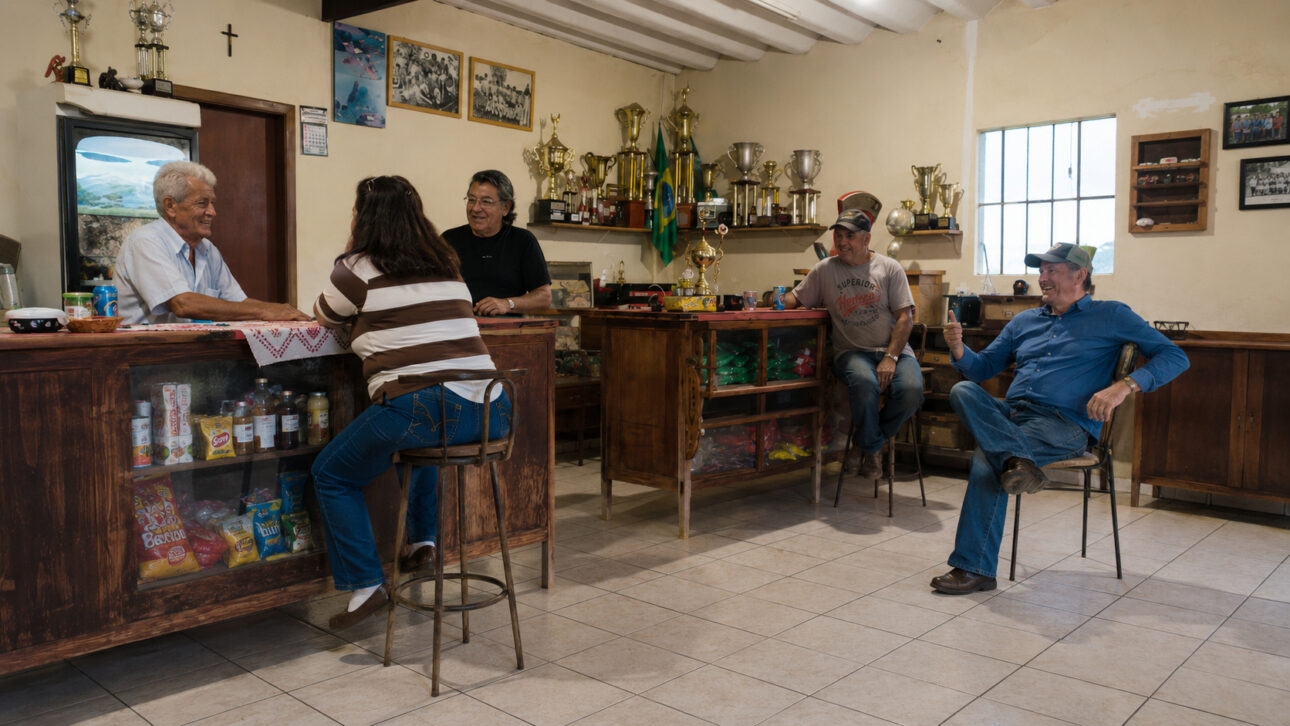
Commerce once sold up to 150 kilos of flour per week
Dimar Aparecido Scarabeli, Antônio’s son, recalls that the small shop was once the main commercial center of the community.
Weekly and monthly purchases were made almost entirely at the establishment.
The shop sold between 100 and 150 kilos of flour per week during peak periods.
Dozens of sugar bales also left the shelves weekly to supply the families of the region.
The small shop ceased to function as the large rural market it once was. However, the place continues to welcome residents and tourists.
Among the most sought-after products are preserves, cheeses, and artisanal sweets, prepared by Nádia Maria Freitas Scarabeli.
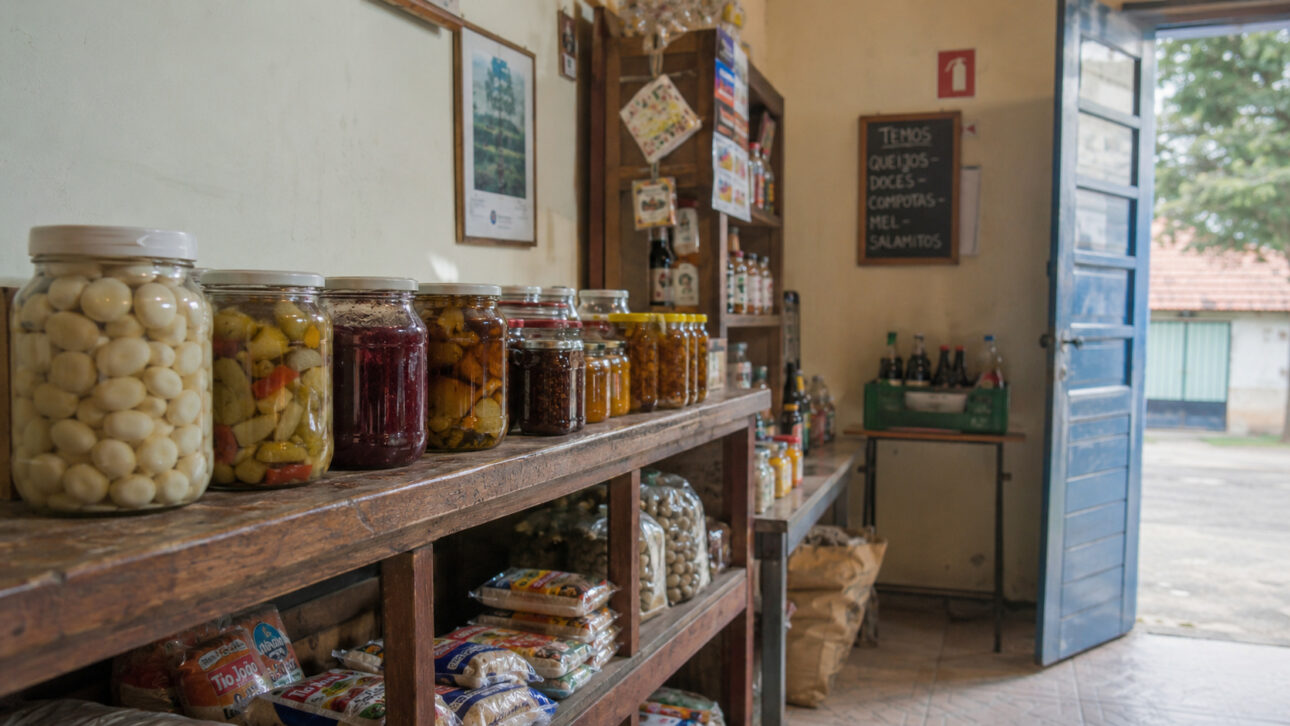
Emotional memory transforms the place into a meeting point
Visiting an old small shop also represents a way to reconnect with childhood memories and rural life.
Mariene Maia has been visiting the establishment since she was a child. At the time, she accompanied family members who lived in the countryside.
Each return evokes nostalgia for a period that will not return. The visit, at the same time, helps to recover roots and preserve family stories.
The historian Silvio Luiz Lofego highlights the importance of these establishments for the conservation of rural memory.
Several communities have disappeared or lost characteristics over the last decades.
The old shops have remained as spaces of resistance, coexistence, and local identity.

Credit sales remain after almost 70 years
Another small shop maintains the tradition in Nova Canaã Paulista, approximately 30 kilometers ahead.
The establishment is located in Bairro do Louro and has existed for almost 70 years.
Paulo Francisco Araújo and Sônia Maria Andrade Araújo have managed the space for 42 years.
The shop offered different goods and functioned as a small market for the families of the region.
Many similar shops have closed over time. The couple decided to keep the establishment running.
The traditional credit sales also remain in place, based on the trust built between merchants and customers.
Paulo states that the practice has helped many families. The work also allowed him to raise his children and improve his living conditions.
Love story born behind the counter
The small shop in Nova Canaã Paulista also preserves a personal story that began more than half a century ago.
Paulo and Sônia met in their own establishment more than 50 years ago.
Customers have spent decades frequenting the small business and building close relationships with the couple.
Many commercial relationships have turned into lasting friendships. Some patrons are already considered part of the family.
Preserves, sweets, credit sales, and memories help these small shops keep an important tradition of the São Paulo countryside alive.
In your opinion, should these old small shops be recognized as cultural heritage of rural communities? Leave your comment.





Be the first to react!