





 Portuguese
  English
  Spanish
  3 min of reading
  0 comments


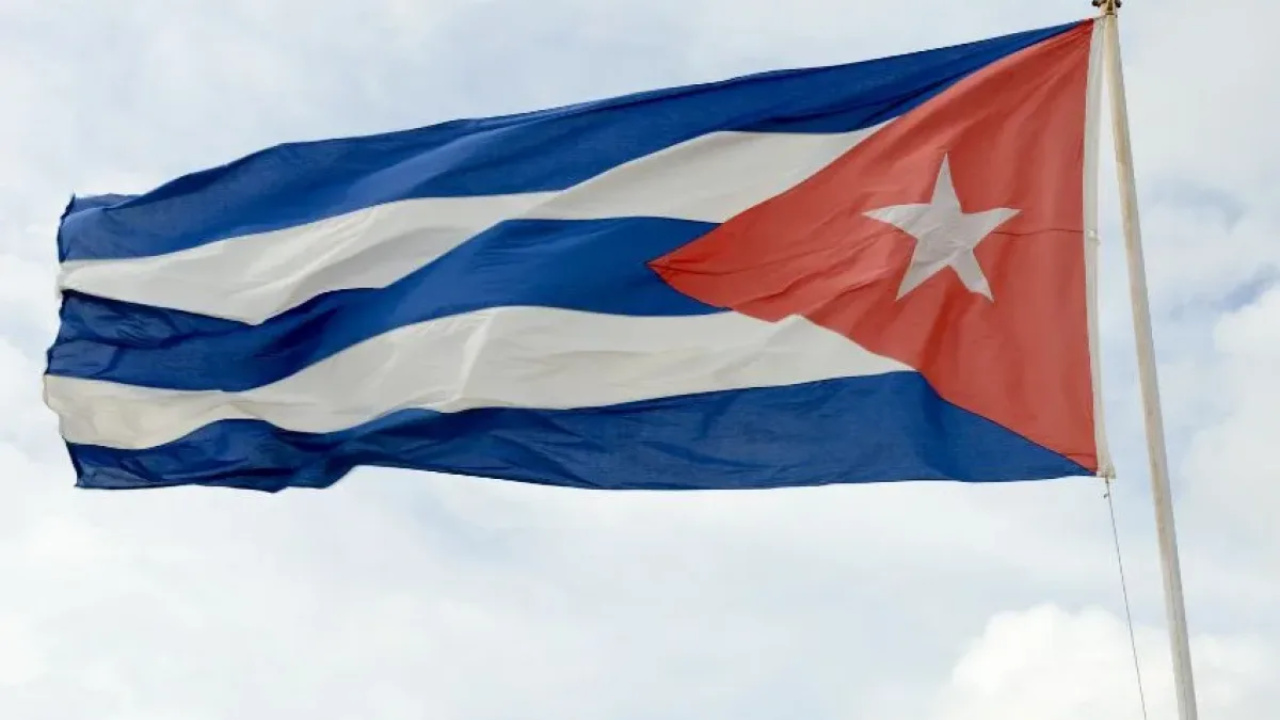
Cuba Races Against Time To Expand Solar Energy After US Sanctions Against Fossil Fuels Aggravate Blackouts And The Island’s Economic Crisis.
Solar energy has become central to the debate in Cuba during one of the most delicate moments in its recent history.
Amid US sanctions against countries that supply oil to the island, the Cuban government is seeking alternatives to avoid an even greater collapse in electricity supply.
External pressure has increased, while the population suffers from constant blackouts and a deeply contracting economy.
-
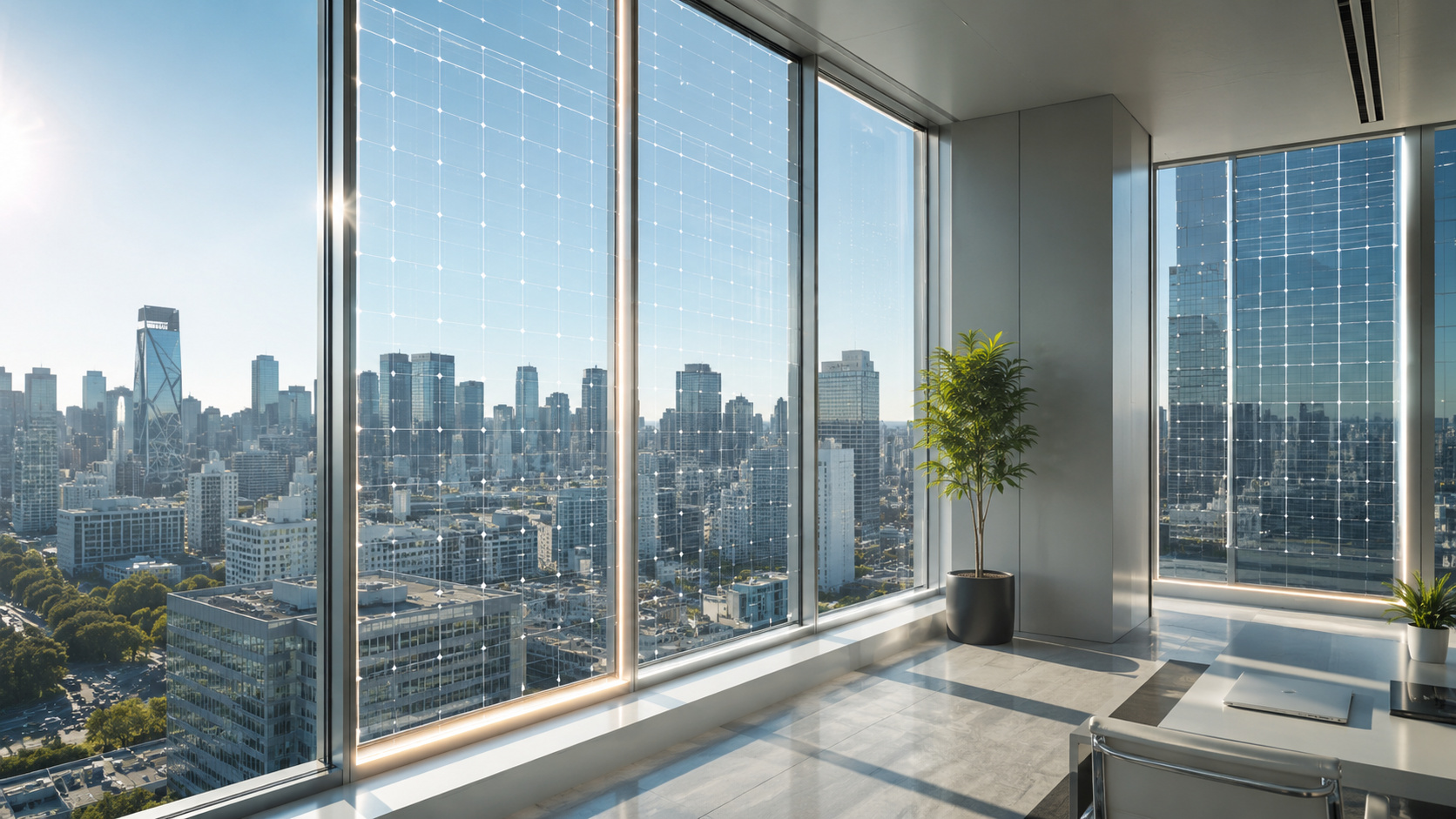
The era of solar panels attached to roofs is beginning to change with transparent glass that generates energy while keeping the view unobstructed, and perovskite photovoltaic windows already tested in offices in Japan promise to transform entire facades into invisible power plants without blocking light or altering the appearance of buildings.

-
The era of silicon alone in solar energy comes to an end with the arrival of perovskite, a material that captures a broader light spectrum, is applied as a thin film, and, together with silicon, reaches a theoretical limit of 45% efficiency in tandem modules.

-
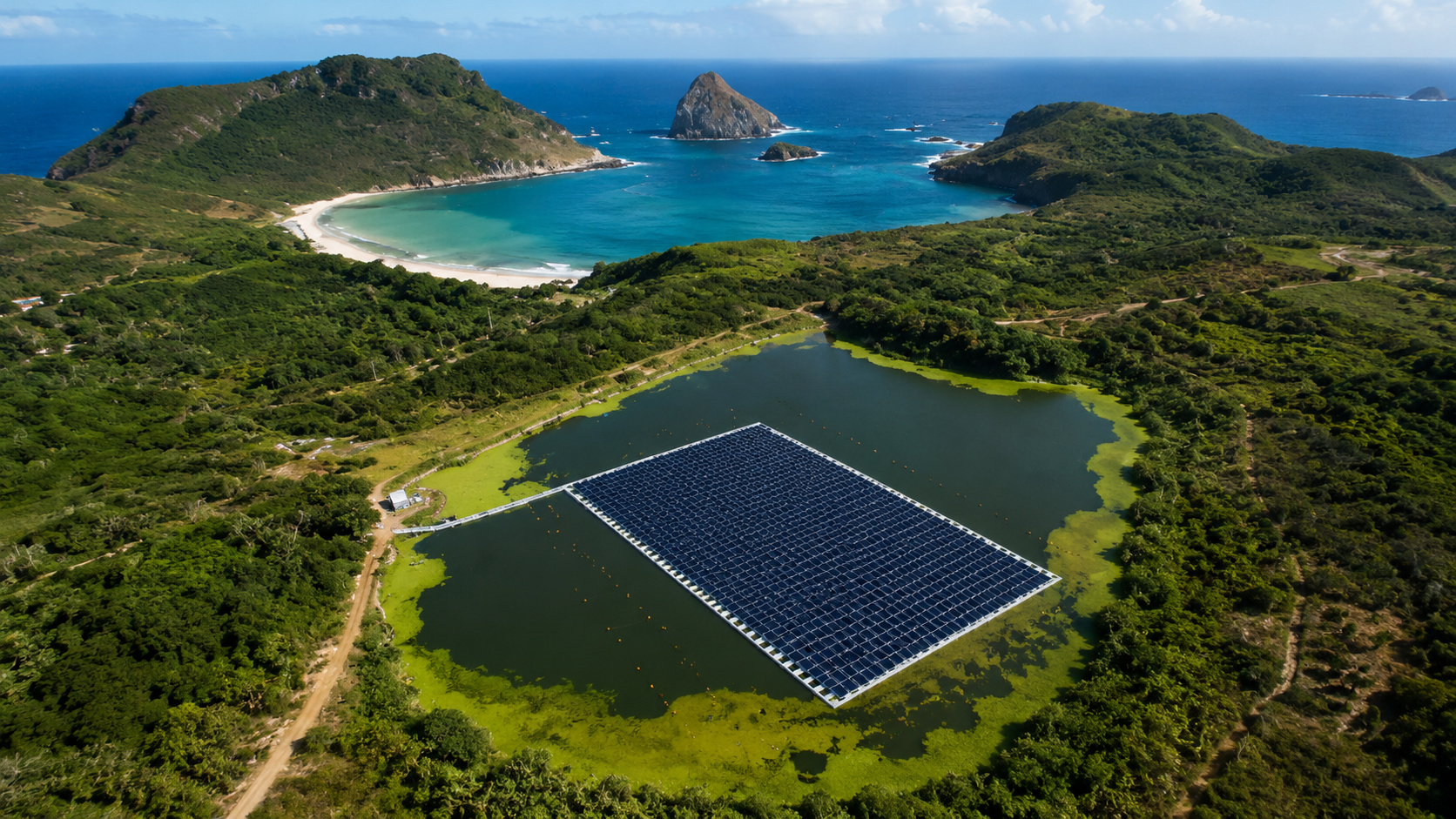
Fernando de Noronha begins unprecedented energy transformation with a R$ 350 million solar plant that promises to replace diesel generation and change the island’s sustainable future by 2027.
-
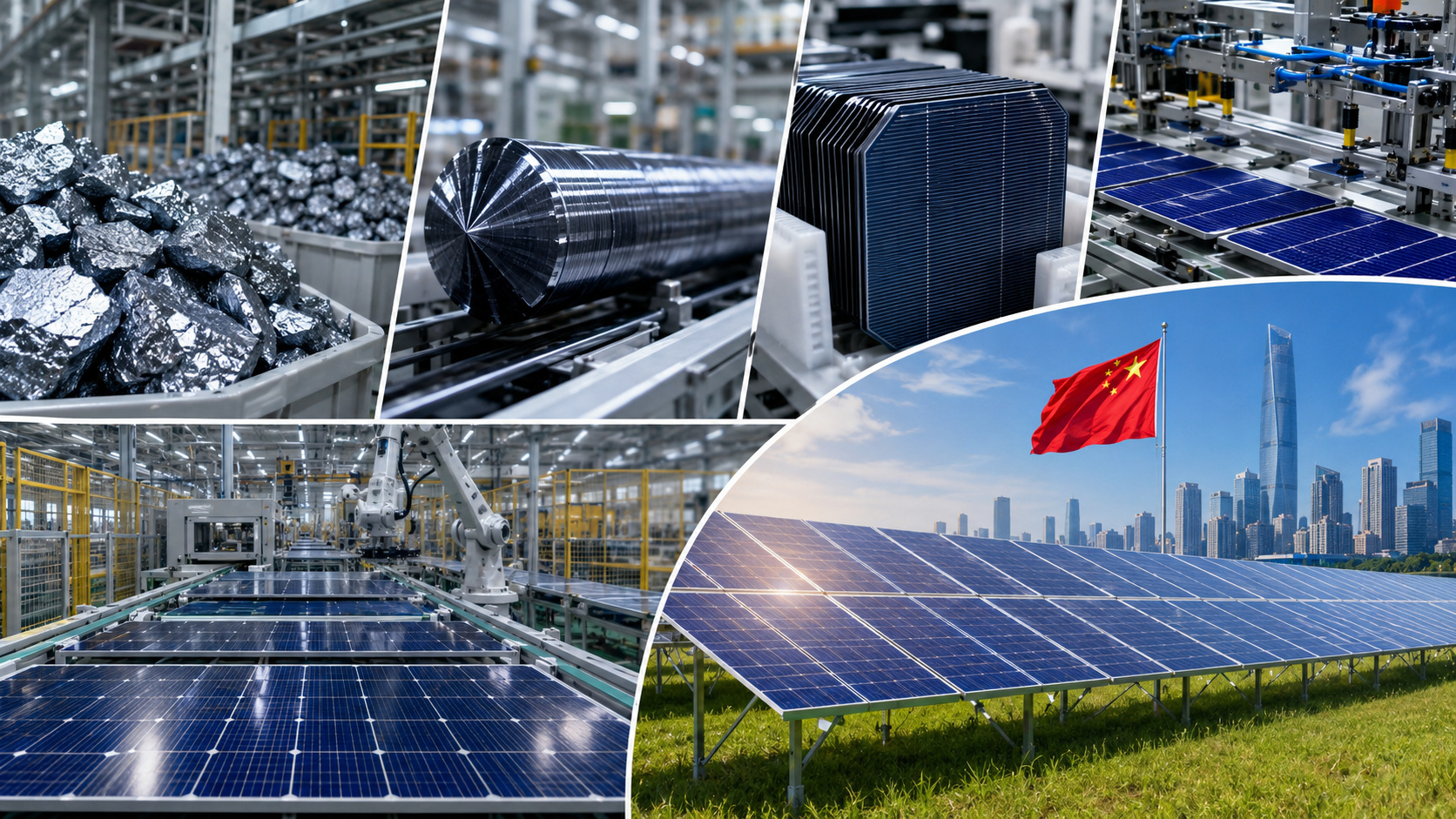
While Europe and the United States rush to save their own solar chains, China already dominates more than 80% of the global manufacturing of solar panels and has turned the sun into an industrial machine controlled by Beijing that is redefining the global energy transition.
US Sanctions Accelerate The Search For Solar Energy
On Thursday, the 5th, President Miguel Díaz-Canel stated that Cuba is moving to ensure international cooperation and expand its energy generation capacity.

The statement came after US President Donald Trump threatened to impose tariffs on countries that send oil to the island.
Cuba relies heavily on imported oil to keep its economy functioning.
Currently, the country produces only 40% of the oil it consumes, while the rest mainly comes from Venezuela, Russia, and Mexico.
At the same time, the Cuban GDP has fallen 15% in recent years, further worsening the situation.
In light of this, the government has begun to treat solar energy as an urgent solution to reduce the country’s vulnerability in the face of sanctions and fuel shortages.
Alliances Under Pressure And Supply Crisis
Venezuela has been a political and economic ally of Cuba for over 20 years. Through bilateral agreements, thousands of Cuban professionals, mainly doctors, have been sent to the South American country, which, in return, provided fuel under preferential conditions.
However, after hardening its stance against Caracas, Trump accused Cuba of being a failed state and demanded immediate negotiations.
The Cuban president reacted, stating that “the collapse lies in imperial philosophy, but not in the mentality of Cubans.”
Meanwhile, observers point out that the island’s resilience depends on its scarce fuel reserves, which makes the expansion of solar energy even more strategic.
Blackouts Expose Fragility Of The Electric System
In recent days, the situation has worsened. A failure in the electric system left the eastern provinces of Granma, Santiago de Cuba, and Guantánamo without power, as well as parts of Holguín.


Power was gradually restored, but the incident exposed the fragility of the electrical grid.
The Cuban system suffers from aging infrastructure and lack of maintenance, which causes frequent failures and increases the impact of any fuel supply interruption.
To try to change this scenario, Cuba plans to increase its solar power parks and also expand electricity production from gas.
In addition, the government wants to install photovoltaic kits in health centers and emergency units, ensuring that basic services are not left without power.
Another aspect of the plan is to increase oil storage capacity, which can help manage moments of blockage or delays in deliveries.
Despite the tension, Díaz-Canel reiterated that he is willing to dialogue with the United States, as long as it is “without pressure, on an equal footing and respecting Cuban sovereignty.”
Countries like Mexico, Russia, and China have already expressed opposition to Trump’s threats. The Cuban president also mentioned international support but stated that he cannot disclose details due to persecution from the US government.
With Cuba betting more and more on solar energy to escape sanctions and blackouts, do you think this strategy will save the country or is it too late to avoid a greater crisis?






-

1 person reacted to this.