






 Portuguese
  Spanish
  3 min of reading
  0 comments


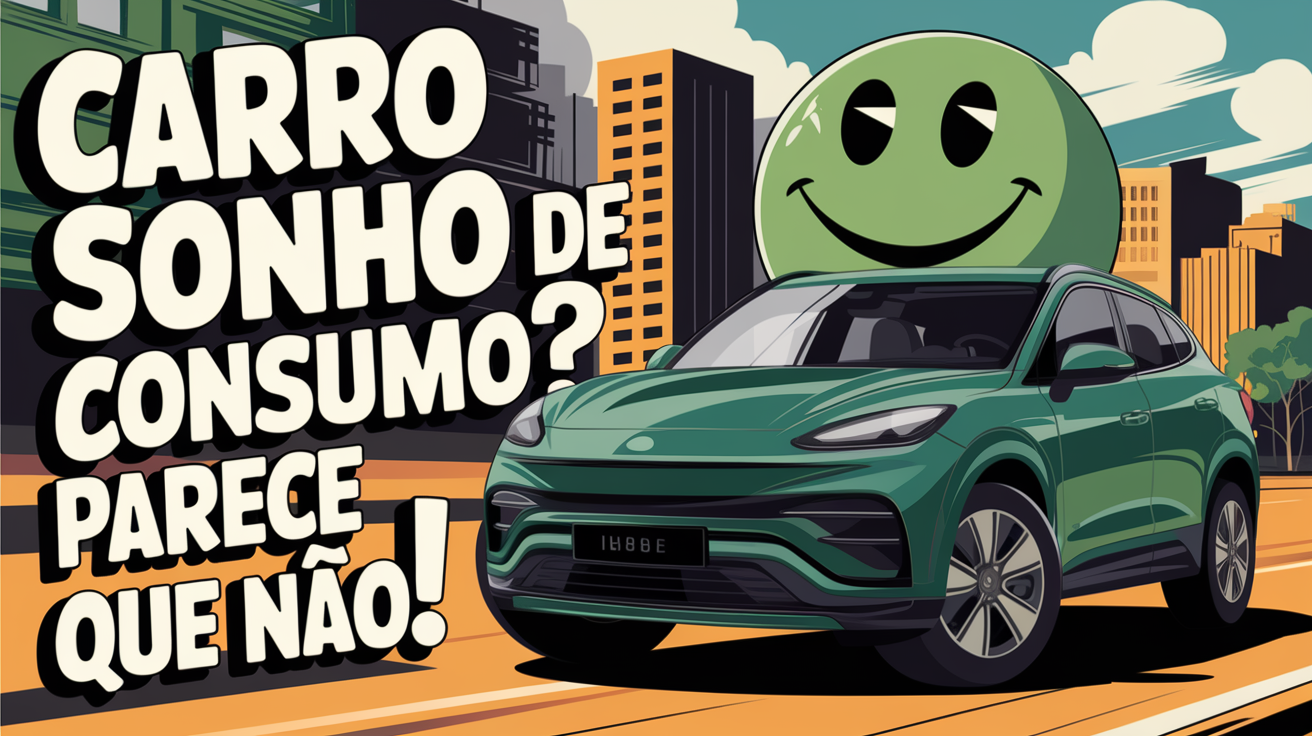
The Transition to Electric Cars Faces Major Resistance: Only 5% of Consumers Want an EV, While Concerns About Price, Range, and Infrastructure Persist. Global Studies Indicate Acceptance Varies Widely Between Countries, Requiring More Investment and Strategic Changes to Popularize Sustainable Mobility. The Dream of EVs Still Encounters Barriers.
Imagine a future where the streets are filled with silent, sustainable cars powered solely by electricity.
This scenario, which once seemed to be the dream of many, is not exactly what a recent survey revealed.
Despite all the technological advances and environmental appeal, the adoption of electric vehicles (EVs) still faces significant resistance in key markets such as the United States.
-
Used Civic and Corolla have been stuck in stock for months. “People are preferring Chinese cars,” says the car dealership owner.

-
Toyota Sienna becomes a “VIP lounge on wheels” in Brazil after receiving a Chinese luxury kit, seats with massage, Starlink, refrigerator, and a 245 hp hybrid engine, targeting high-income families, artists, and executive transport in an almost million-dollar van.

-
Two new 300cc models from QJ Motor are expected to arrive in Brazil as SBM to target the CB 300F and shake up the low-displacement market, with more power and liquid cooling than Honda.

-
Camaro may reappear in 2027, but not as you remember: Chevrolet prepares the return of the icon with four doors, manual transmission, and an extreme performance version to face the new era of sports cars.


The result? A statistic that goes against the expectations of many industry experts.
According to a global study conducted by Deloitte, only 5% of American consumers plan to purchase an electric car as their next vehicle.
The survey, which involved over 31,000 people in 30 countries, also revealed preferences and concerns related to automotive technology, highlighting barriers that hinder the transition to electrification in the world’s largest automotive market.
Preferences for Combustion Still Dominate
In the United States, 62% of respondents stated that they prefer to maintain tradition: their next car should have an internal combustion engine (ICE).
Another 20% expressed a preference for hybrid models, and only 6% would consider plug-in hybrid vehicles.
Meanwhile, the Chinese market showed greater enthusiasm, with 27% of consumers opting for EVs.
In other countries, such as Germany (14%), the United Kingdom and Canada (8%), and Japan (3%), interest also appeared more modest.
Obstacles: Price, Range, and Infrastructure
In the United States, the most commonly cited concerns by respondents were:
- Limited range of EVs (49%);
- Prolonged charging time (46%);
- High costs (44%).
Although there are electric options available below the average price of a new car in the U.S. (estimated at US$ 47,000), 45% of consumers stated that they would not spend more than US$ 34,999 on their next vehicle.
This demonstrates that, despite increased access, the cost-benefit relationship is still not considered attractive enough.
Another critical factor is the charging infrastructure. 79% of Americans expect to charge their cars at home, but only 40% have access to dedicated chargers.
The situation is even more complicated in European countries like Germany and the United Kingdom, where only 37% and 33% of consumers, respectively, have this convenience.
In Asia, the expectation for home charging is also lower, with averages between 61% and 63% in China, Southeast Asia, and South Korea.
What Motivates EV Consumers?
Among consumers planning to buy an electric car, the main motivating factors include:
- Reduction in fuel costs (56%);
- Environmental concern (44%);
- More advanced driving experience (36%).
Practical experiences have proven essential for reducing consumer hesitations.
Taking a ride in an electric vehicle often convinces even the most skeptical, highlighting advantages such as instant acceleration and smooth handling.
Additionally, in countries like China, where the infrastructure is more robust, 77% of consumers planning to buy an EV already have access to dedicated chargers, contrasting sharply with the low numbers observed in the U.S.
Integration of New Technologies
Another aspect analyzed by the survey was the acceptance of innovations such as artificial intelligence (AI) and connected services.
In the United States, 45% of respondents view the integration of AI in vehicles as beneficial, while 51% stated they are willing to pay more for features such as:
- Theft tracking;
- Emergency assistance;
- Insurance discounts based on driving data.
However, the survey also revealed that trust in automakers and dealerships to manage vehicle data remains low. This points to an additional challenge in adopting new automotive technologies.
A Gradual Transition to EVs
The survey results make it clear that the path to mass adoption of electric vehicles is fraught with challenges.
Although the interest in hybrids and plug-ins suggests a gradual transition, governments and automakers will need to invest heavily in charging infrastructure, as well as educate consumers about the benefits and practicality of EVs.
With so many obstacles to overcome, will electric vehicles be able to dominate the streets in the near future? Leave your opinion in the comments and join the debate about the future of mobility!








Be the first to react!