Portuguese
  Spanish


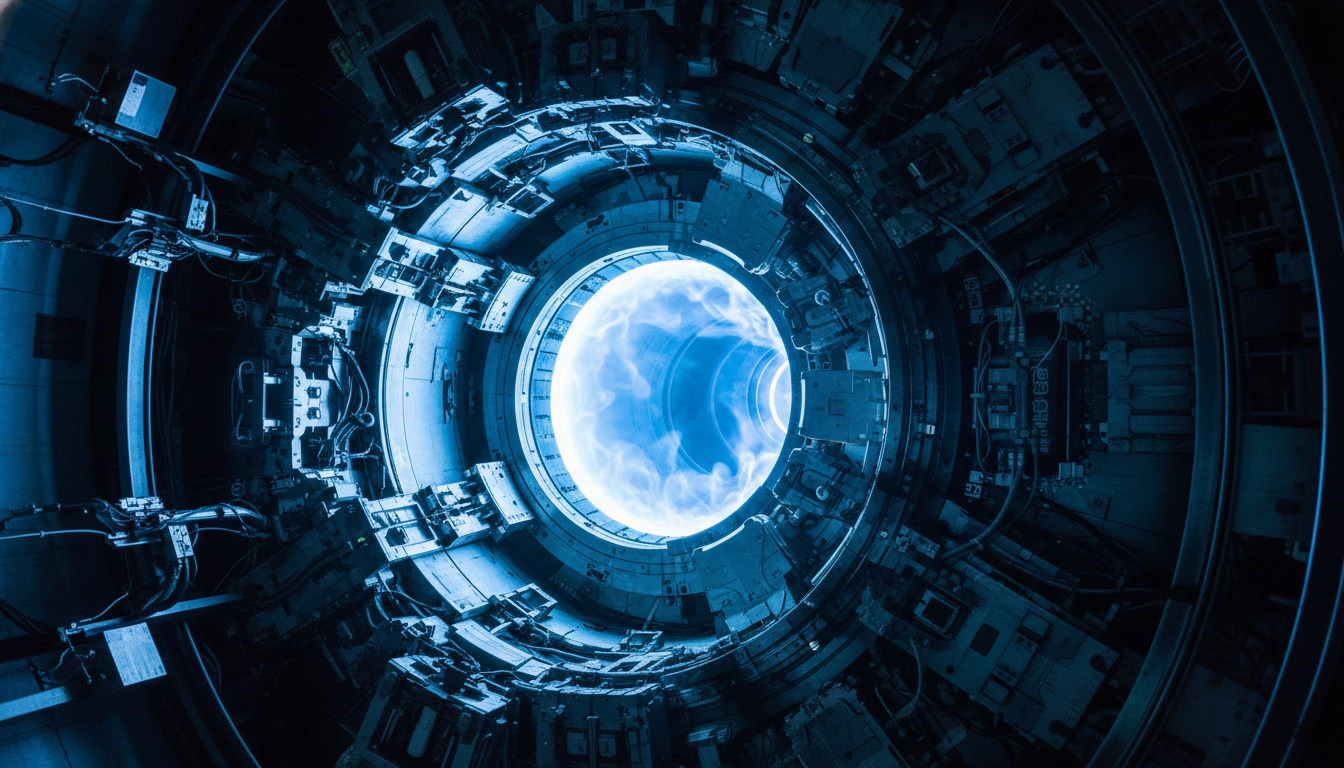

South Korea held a plasma at 100 million degrees Celsius for 102 seconds inside a fusion reactor — more than double the previous record, and the most concrete step yet towards unlimited clean energy
In February 2026, the KSTAR nuclear fusion reactor, operated by the Korea Institute of Fusion Energy (KFE) in South Korea, maintained superheated plasma at 100 million degrees Celsius for 102 consecutive seconds.
According to independent verification by the International Atomic Energy Agency (IAEA), the result represents the most significant milestone in controlled nuclear fusion since the United States’ National Ignition Facility achieved ignition in December 2022.
KSTAR’s previous record was 48 seconds. In other words, Korean scientists more than doubled the duration in a single experimental campaign.
-
Brazilian scientists are simultaneously advancing two research projects on clean hydrogen and driving solutions that could transform the energy matrix, enhance industrial competitiveness, and accelerate large-scale emission reduction targets.

-
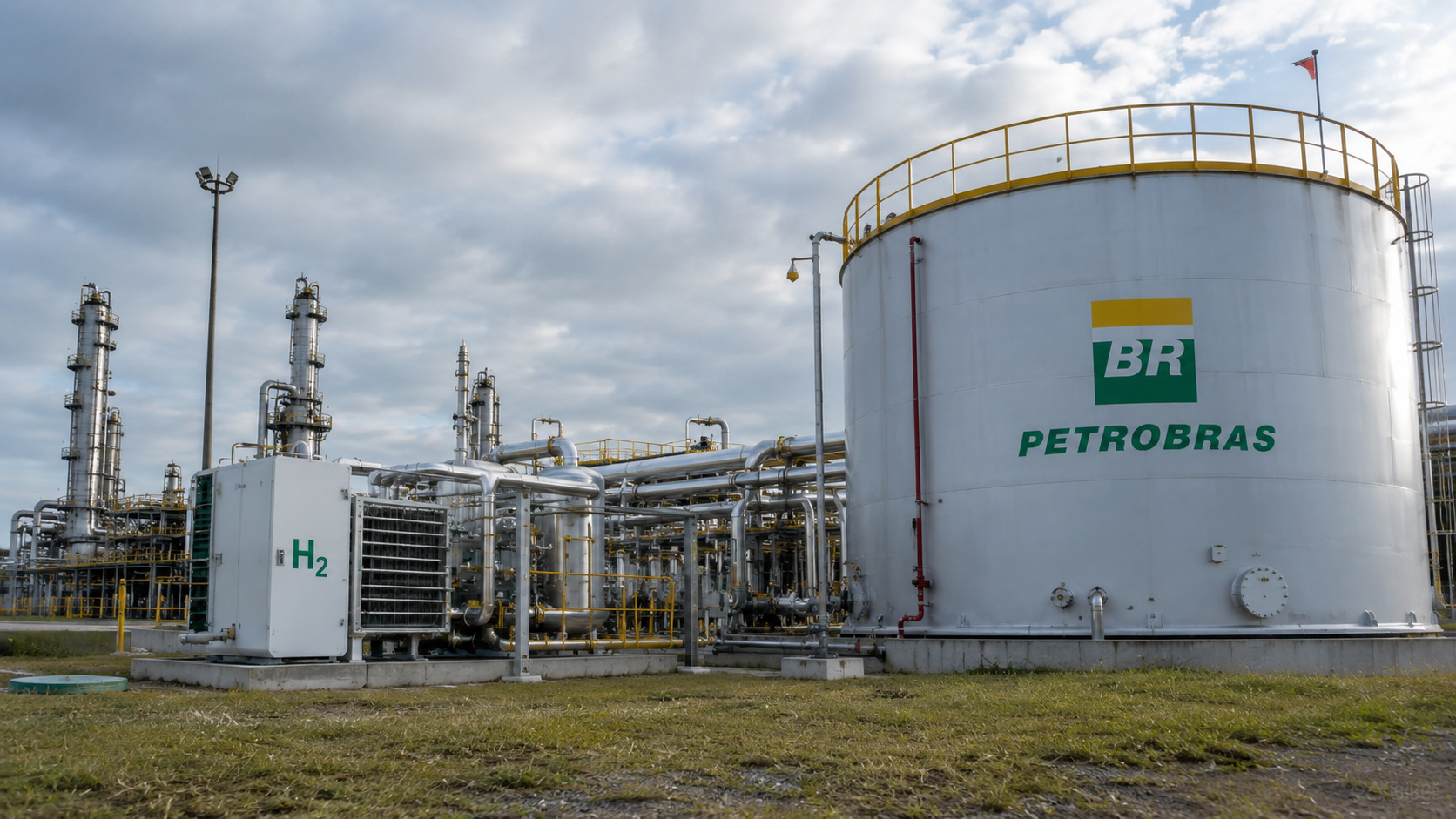
Advancement in renewable energy: A R$ 150 million project launched by Petrobras and Finep aims to create state-of-the-art electrolyzers for green hydrogen, strengthening national research and preparing Brazil to compete in a billion-dollar energy market.
-
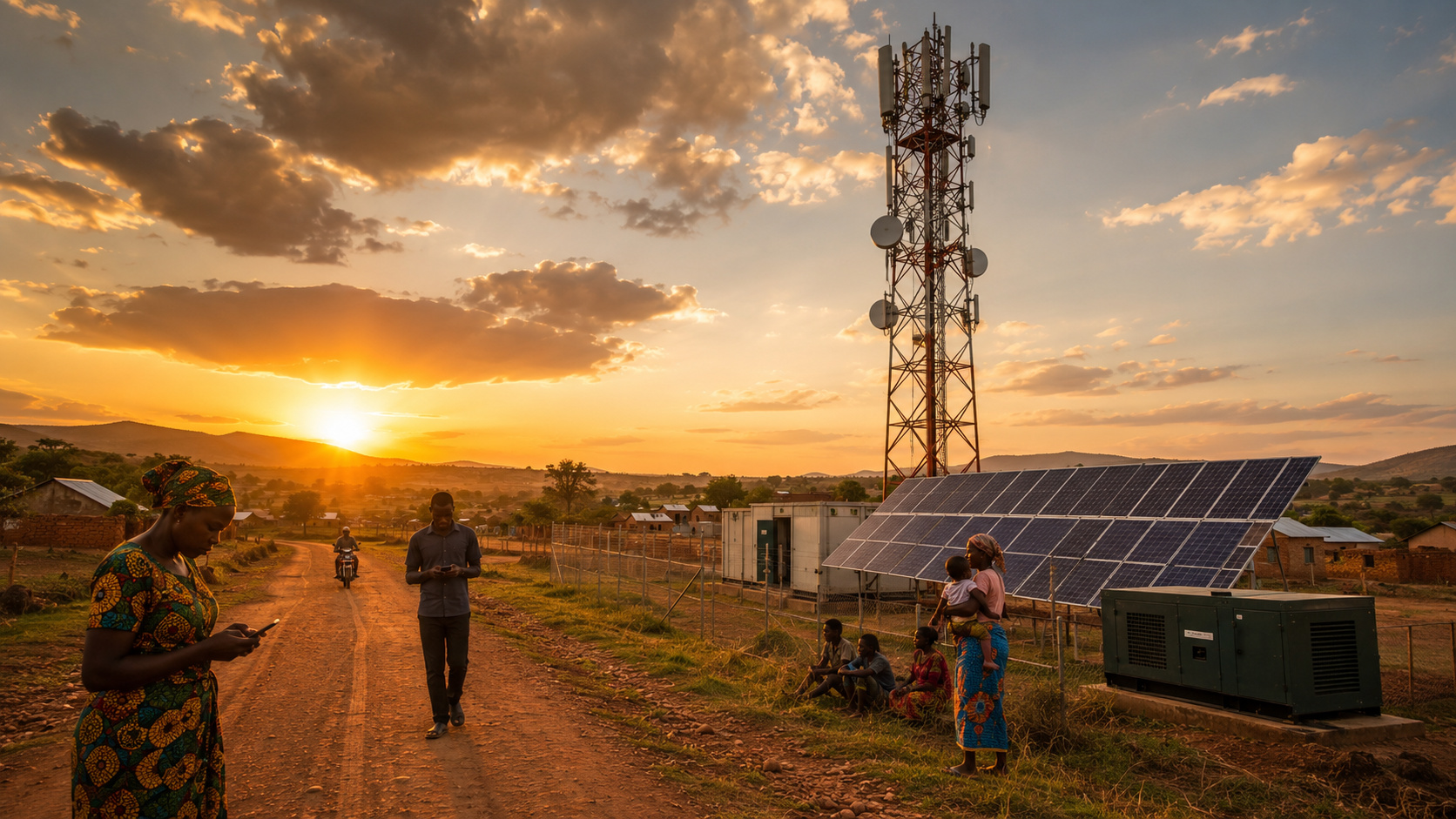
Illiterate or semi-literate grandmothers were trained to repair solar systems, open rural workshops, and light up homes that still depended on kerosene.
-
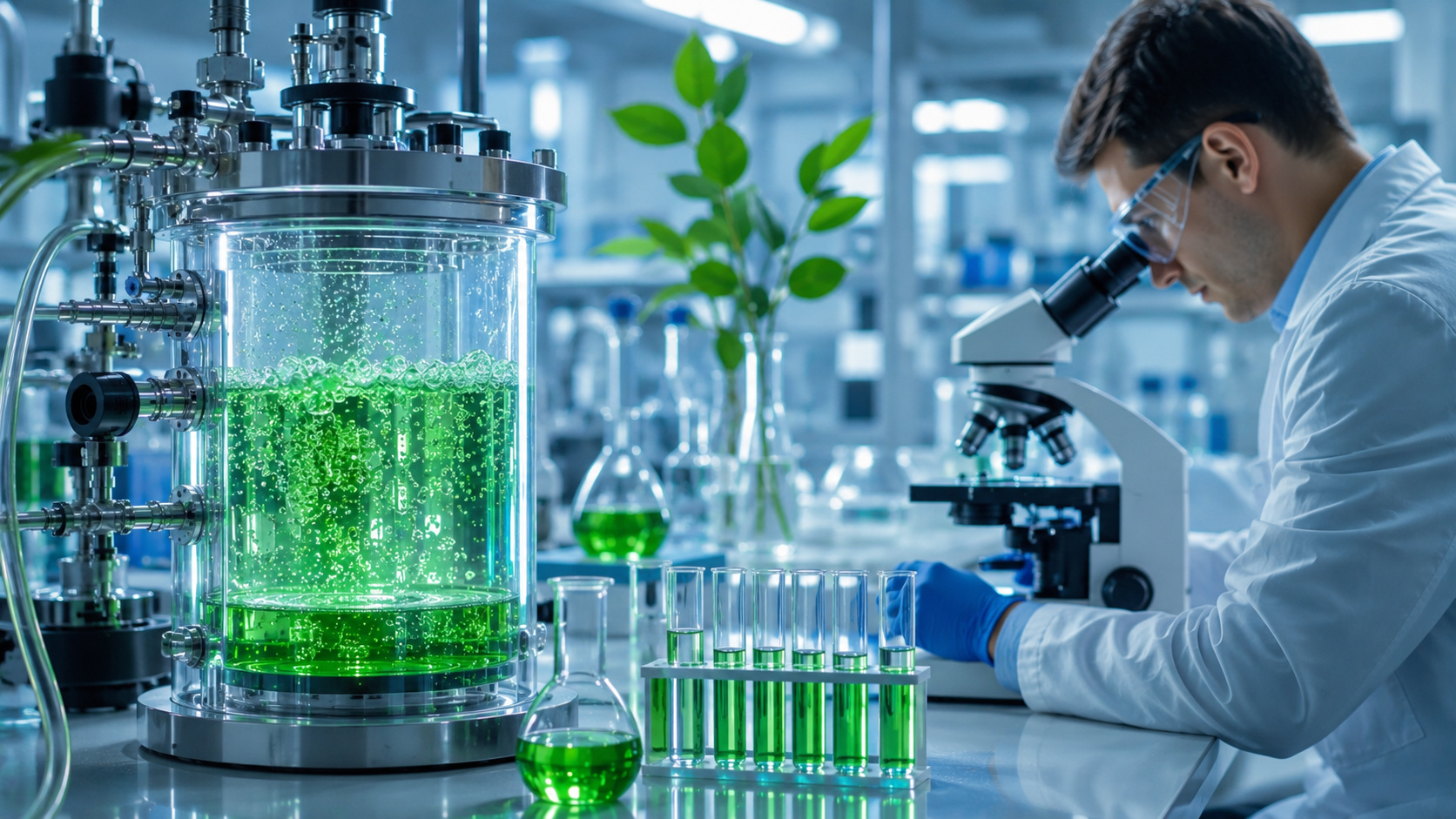
The world has bet on green hydrogen as the fuel of the future, but now faces the side effect: producing 1 kilogram requires about 9 liters of ultrapure water, and the largest projects on the planet are precisely in the driest regions of the Earth, where water is already scarce for people.


For context: 100 million degrees is almost 7 times hotter than the center of the Sun. And they maintained that temperature for almost 2 minutes inside a chamber the size of a room.
The same reaction that powers the Sun — reproduced on Earth
Nuclear fusion is the process that makes stars shine. Hydrogen atoms fuse under extreme pressure and temperature, releasing colossal amounts of energy.
Unlike nuclear fission used in conventional power plants — which splits heavy atoms like uranium —, fusion joins light atoms. It does not produce long-lived radioactive waste. There is no risk of reactor meltdown. And the fuel, hydrogen isotopes, is practically infinite.
One cup of fusion fuel contains as much energy as 300 liters of gasoline.
The problem? Reproducing the conditions of the Sun’s center on Earth is absurdly difficult. The plasma needs to be heated to 100 million degrees and confined by powerful magnetic fields, without touching the reactor walls — because no known material can withstand that temperature.

Why 102 seconds changes everything
Heating plasma to 100 million degrees is not the main challenge. Several reactors have already done this for fractions of a second.
The real challenge is to keep the plasma stable. At 100 million degrees, any instability — a magnetic oscillation, an escaping particle, a microfracture in the field — can cause the plasma to collapse instantly.
Every extra second of confinement is a victory against physics. KSTAR held it for 102 seconds — enough time to demonstrate that sustained fusion is possible.
For fusion to generate electricity commercially, the plasma needs to be maintained for hundreds of seconds, ideally continuously. KSTAR’s 102 seconds are halfway there.
If 48 seconds was a demonstration, 102 seconds is a declaration: nuclear fusion is closer than ever.
KSTAR: South Korea’s “artificial sun”
KSTAR (Korea Superconducting Tokamak Advanced Research) is a tokamak-type reactor — a donut-shaped chamber where superconducting magnetic fields confine the plasma.
Unlike ITER (under construction in France with 35 countries) and China’s EAST (which broke the Greenwald density limit), KSTAR focuses on confinement duration — how long the plasma remains stable.
KSTAR’s superconducting magnets operate at temperatures close to absolute zero (-269°C), creating magnetic fields powerful enough to contain a gas 7 times hotter than the solar core.
The irony is fascinating: the reactor needs to be simultaneously the coldest and hottest place on the planet. The magnets at -269°C surround a plasma at +100,000,000°C. The temperature difference is 100 million degrees in a few centimeters.

The global race for fusion: Korea, China, Europe, and USA
KSTAR’s record puts South Korea in the lead of the race for commercial fusion, alongside China and Europe.
- KSTAR (South Korea): 102 seconds at 100M°C — duration record (Feb/2026)
- EAST (China): surpassed the Greenwald limit — plasma density record (Jan/2026)
- ITER (France/35 countries): world’s largest tokamak under construction, first plasma expected 2027
- Commonwealth Fusion (USA): 20 Tesla magnets, SPARC reactor expected 2027
Each program tackles a different aspect of the problem. KSTAR proves duration. EAST proves density. ITER will prove scale. SPARC will prove commercial viability.
If all are successful, humanity will have the complete scientific basis to build commercial fusion power plants in the 2030s.
What fusion means for the future of energy
Nuclear fusion promises to definitively solve the energy dilemma. Clean, abundant energy, with no carbon emissions, no long-lived radioactive waste, no risk of catastrophic accident.
The fuel — deuterium extracted from seawater and tritium generated in the reactor itself — is practically inexhaustible. One liter of seawater contains enough deuterium to generate energy equivalent to 300 liters of gasoline.
If fusion becomes commercial, countries without oil, without uranium, and without strong winds will have access to the same energy as industrial powers.
Fusion is not renewable. It’s something bigger: it’s energy created from water.

The oldest joke in physics — and why this time might be different
There’s a joke in the scientific community: “Nuclear fusion is always 30 years away.” This phrase has been repeated since the 1950s.
The criticism is well-founded. Decades of promises have not delivered any commercial fusion power plants. Billions have been spent without a single watt of fusion electricity reaching the grid.
But the milestones of 2026 are different from those of 2006 or 1996. KSTAR doubled its record. EAST broke a theoretical limit. ITER is physically being built. Private companies like Commonwealth Fusion have raised US$ 1.8 billion in investment.
Fusion may still be 30 years away. But for the first time, KSTAR’s 102 seconds suggest that the clock is finally ticking.