Portuguese
  Spanish


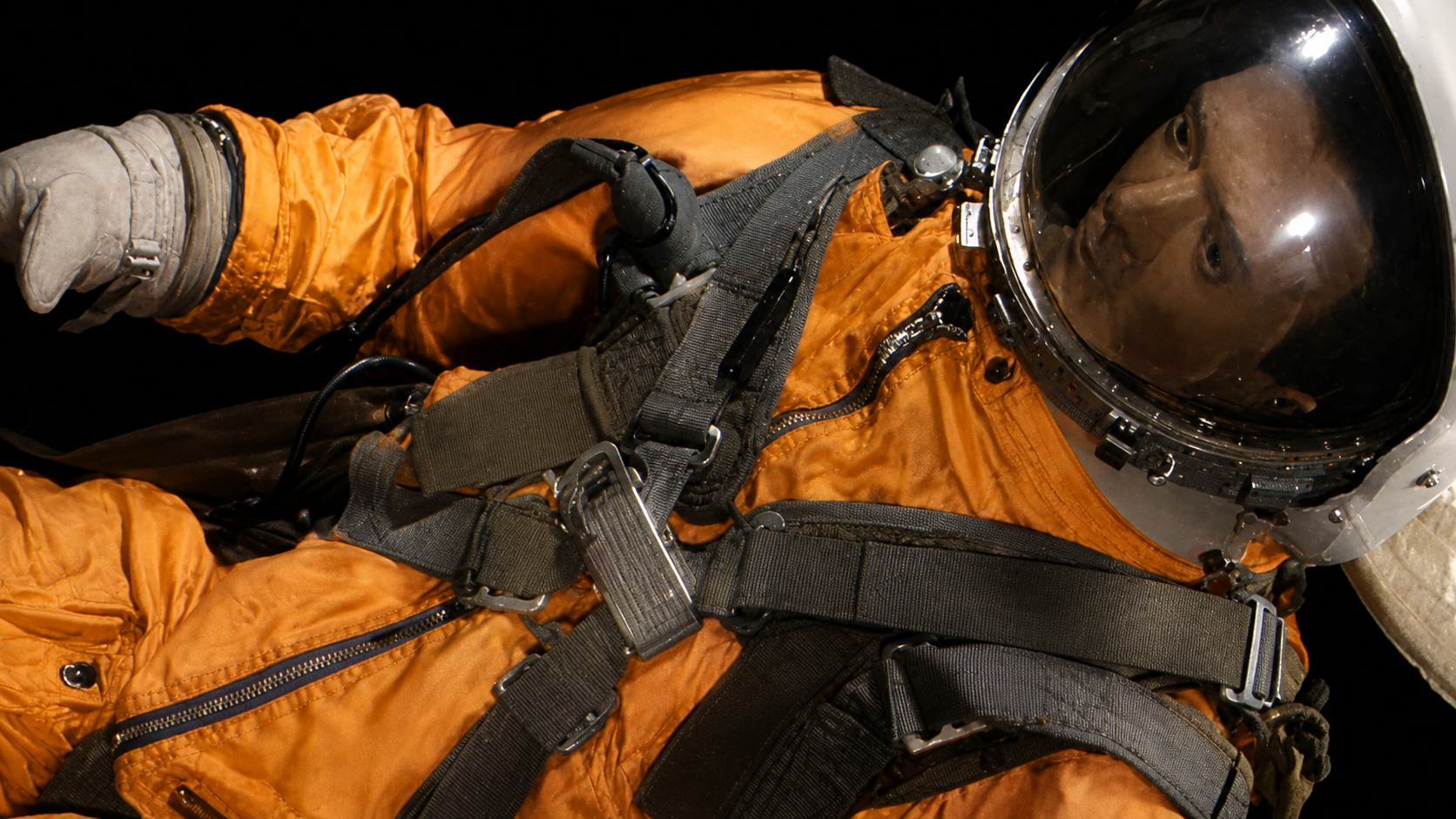


Ivan Ivanovich, the Soviet mannequin who flew into space before Yuri Gagarin, tested the Vostok, and helped make the first human flight in history possible.
According to Discover Magazine, on March 25, 1961, a Soviet capsule fell near Perm, in what was then the Soviet Union, and before impact, an ejection seat launched a passenger to the ground who appeared human. When recovery teams arrived, they found a motionless figure on the snow, with an eerily realistic appearance. It was not a dead cosmonaut. It was Ivan Ivanovich, a humanoid mannequin built to test the Vostok spacecraft before Yuri Gagarin‘s historic flight.
The mission was more serious than the almost grotesque appearance of the dummy suggested. Discover Magazine reports that Ivan flew into space for the first time on March 9, 1961, on Korabl-Sputnik 4, and again on March 25, on Korabl-Sputnik 5. Only 18 days later, on April 12, 1961, Yuri Gagarin would board the Vostok 1 and become the first human in space.
Ivan Ivanovich was created because the Vostok spacecraft did not land smoothly
According to Discover Magazine, the Vostok spacecraft had a critical limitation: it did not land smoothly on the ground. After reentry, the capsule basically fell, and thus the system required the occupant to eject before the final impact and descend separately by parachute.
-
Man Transforms Childhood Building in Detroit into Community Bookstore, Draws 400 to Opening

-
Two Brothers Leave City Life to Build Mud House in the Himalayas with Help from Over 100 Volunteers from 18 Countries, Including Brazil

-
At 9, Hailey Builds Mini Shelters for the Homeless Using Recycled Materials in Her Backyard
-
Seven-Year-Old Nicknamed Hulk Wins Gold in Brazilian Jiu-Jitsu After Defeating South American Competitors





This made it essential to test with something that had weight, shape, and mass distribution similar to that of a real human being. Ivan Ivanovich was built precisely for this purpose. He was dressed in a cosmonaut suit and launched as if he were the actual occupant of the mission.
The resemblance was so realistic that the Soviets feared the reaction of civilians who might find him after landing. Therefore, according to Discover Magazine, the word “МАКЕТ”, which means “mock-up” in Russian, was placed under the helmet visor and also marked on his body to prevent him from being mistaken for a corpse or something even stranger.
The Soviet dummy transmitted choir and soup recipe to not appear as a secret cosmonaut
One of the most curious details of Ivan Ivanovich’s story lies in the radio communications. According to Discover Magazine, Soviet engineers needed to test the capsule’s voice transmission system but did not want amateur radio operators to intercept the signal and conclude that there was a secret cosmonaut on board.
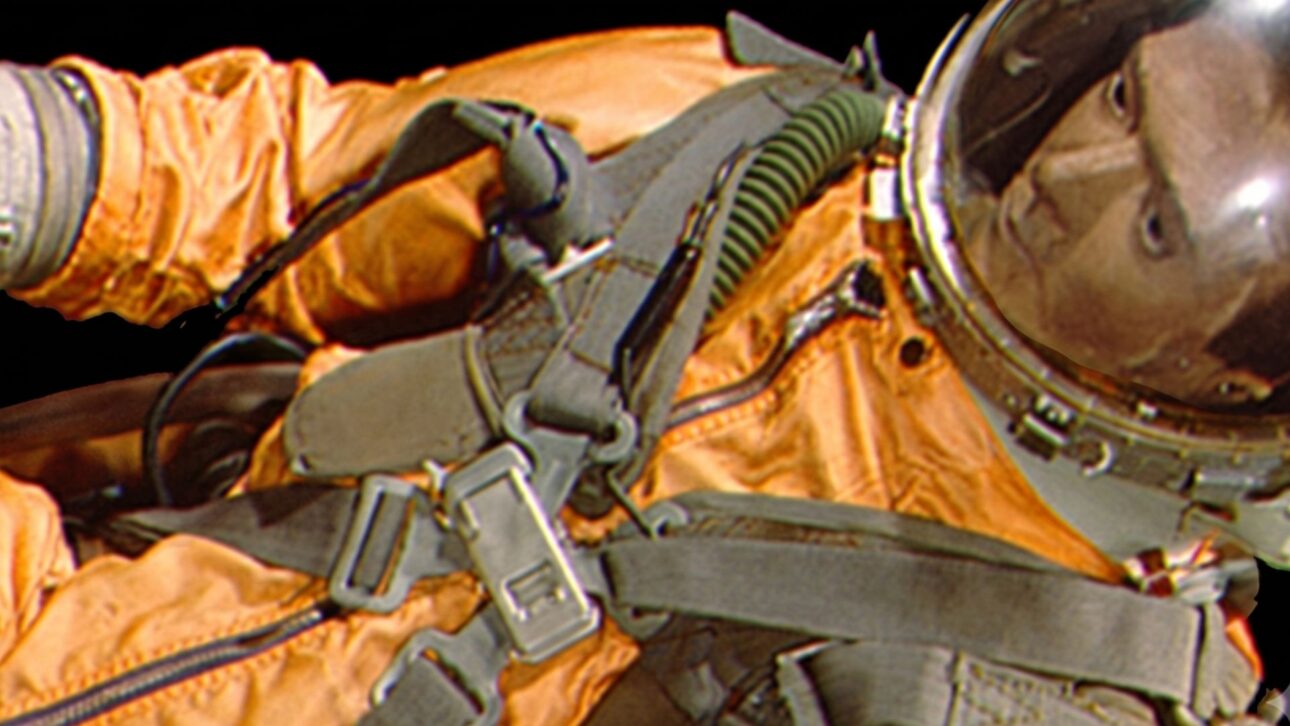
The solution was deliberately absurd. Instead of transmitting a human voice speaking normally, the Soviets placed a recording of a choir singing inside Ivan. The logic was simple: no one would believe that a single cosmonaut alone was emitting an entire choir from space.
On the second flight, the engineers expanded the technical joke and also included a recording with a cabbage soup recipe. The goal remained the same: to test the radio without fueling rumors of a covert human flight before the official announcement.
Ivan Ivanovich flew with dogs, mice, and biological experiments inside the capsule
According to Discover Magazine, Ivan did not travel alone. On the mission of March 9, 1961, he was accompanied by the dog Chernushka, 40 black mice, 40 white mice, guinea pigs, reptiles, seeds, human blood samples, human cancer cells, microorganisms, bacteria, and fermentation samples.
On the flight of March 25, the canine companion was Zvyozdochka, whose name can be translated as “Little Star”. The mission was a complete dress rehearsal. Ivan tested ejection and separate landing, while the animals and biological materials helped validate the life support system and the effects of space flight on living organisms.
These two flights were decisive because they showed that the spacecraft was ready to carry a human. According to Discover Magazine, the life support, environmental control, telemetry, and ejection mechanism systems worked, removing the main uncertainties before the mission that would take Gagarin to space.
The flight of the Soviet dummy – Ivan Ivanovich paved the way directly for Yuri Gagarin 18 days later
The proximity between the last test with Ivan and Gagarin’s mission shows how accelerated the space race was at that moment. According to Discover Magazine, the Korabl-Sputnik 5 used hardware essentially equivalent to that of Vostok 1, completed an orbit of the Earth, and returned successfully.

When everything worked, the Soviets gained the final confirmation that the system was ready for a real cosmonaut. What Ivan did in March was exactly what Gagarin would do in April: fly in orbit, re-enter, eject from the capsule, and land separately by parachute.
This makes Ivan Ivanovich much more than a bizarre curiosity of the space race. He was the last successful technical rehearsal before the most important human flight of the 20th century, the silent test that opened the door for the name that would go down in history.
Decades later, Ivan Ivanovich emerged from Soviet secrecy and was sold at auction
For decades, Ivan Ivanovich remained shrouded in secrecy. After his story became public, he ended up with an unlikely fate. According to Sotheby’s, the mannequin was consigned by Zvezda and sold at the Russian Space History auction, on December 11, 1993.
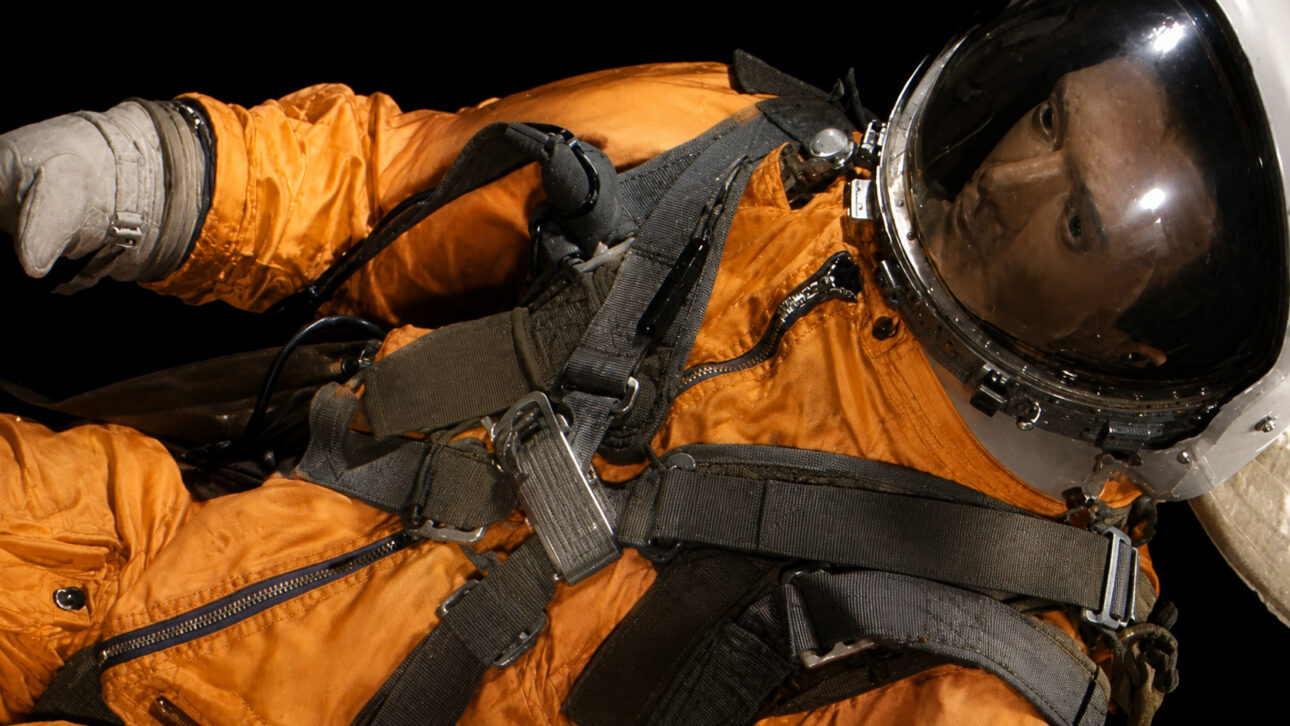
The same page from Sotheby’s states that Ivan Ivanovich was on display at the Smithsonian National Air and Space Museum starting in 1997, already transformed into a historical piece of a space program that for years tried to conceal its own existence.
The dummy that was launched with dogs, rodents, and choir recordings, that fell into the Soviet snow, and that helped validate Vostok before Gagarin, ended its journey as a public relic of the space race. The strangest story of the first human flight into space perhaps begins precisely with someone who wasn’t even human.