Portuguese
  Spanish


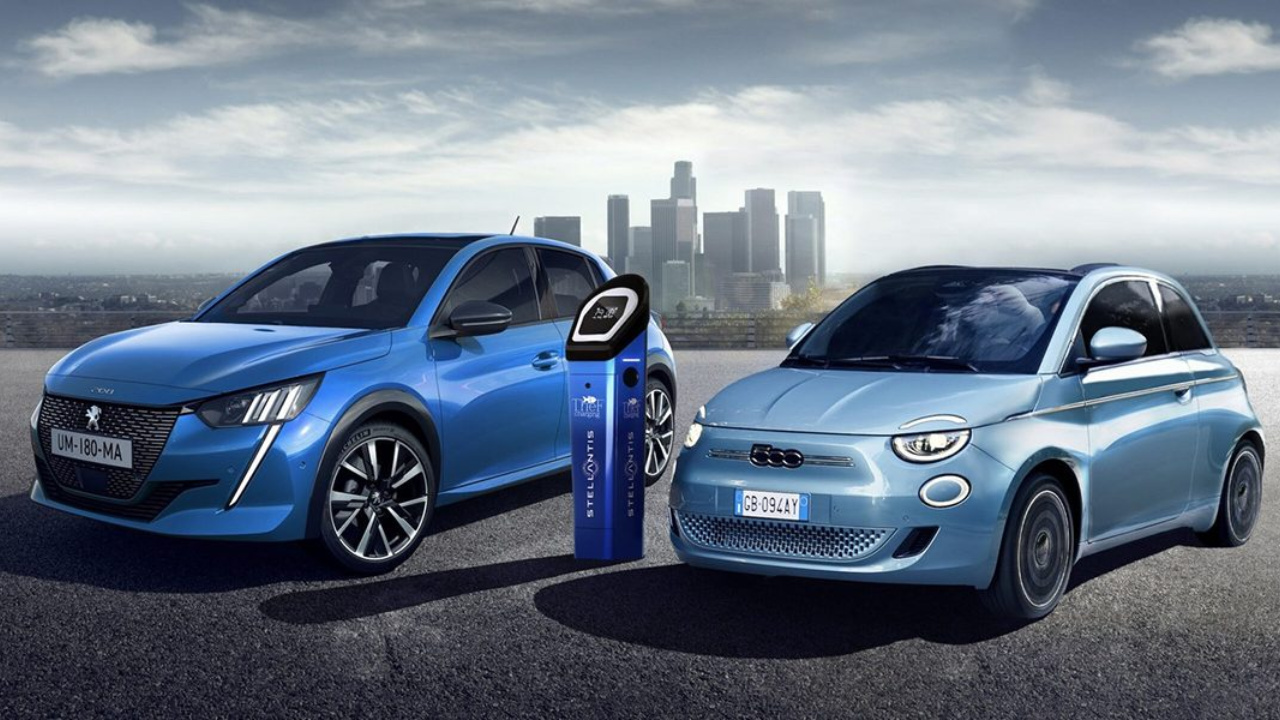

Stellantis Revises Its Electrification Plan and Abandons Selling Only Electric Vehicles by 2030. The Group Prioritizes Hybrids and Maintains Focus on Combustion After Difficulties with Recalls and Low Demand in the US.
Stellantis surprised the automotive market by announcing a shift in its global strategy, as reported on Friday, September 19. The conglomerate, which includes brands such as Jeep, Ram, Fiat, and Peugeot, had promised in 2022 that it would sell only fully electric vehicles by 2030.
However, that goal has been sidelined, and plans now prioritize hybrid models while also maintaining a portion of the fleet with combustion engines.
Change Announced During the Munich Auto Show
The change was confirmed during the Munich Auto Show by Jean-Philippe Imparato, the company’s European head. According to him, the global automotive market is undergoing rapid transformation, but still does not provide ideal conditions for the full adoption of battery-powered cars. This decision also indicates a cautious movement in light of the increasing competitiveness of Chinese brands, which are advancing with more affordable models and dominating strategic niches.
-
Chinese Giant Invests $1.3 Billion in Brazil to Produce 50,000 Cars Annually, Create Jobs, Develop Local Suppliers, and Manufacture Electric, Hybrid, and Combustion Models by 2027

-
Unprecedented achievement in India: a colossal 650-ton, nearly 3,000 hp excavator is transformed into 100% electric, marking a new phase in heavy mining.
-
Frightened by the speed of Chinese manufacturers, Renault decided to mimic the pace, made the new electric Twingo in just 21 months, wants to repeat the feat with 36 models by 2030, and along the way, will cut up to 2,400 engineering positions.

-
Chinese battery from Dongfeng promises to exceed 1,000 km without relying on liquid electrolyte, and the detail behind the technology could change the electric car competition.

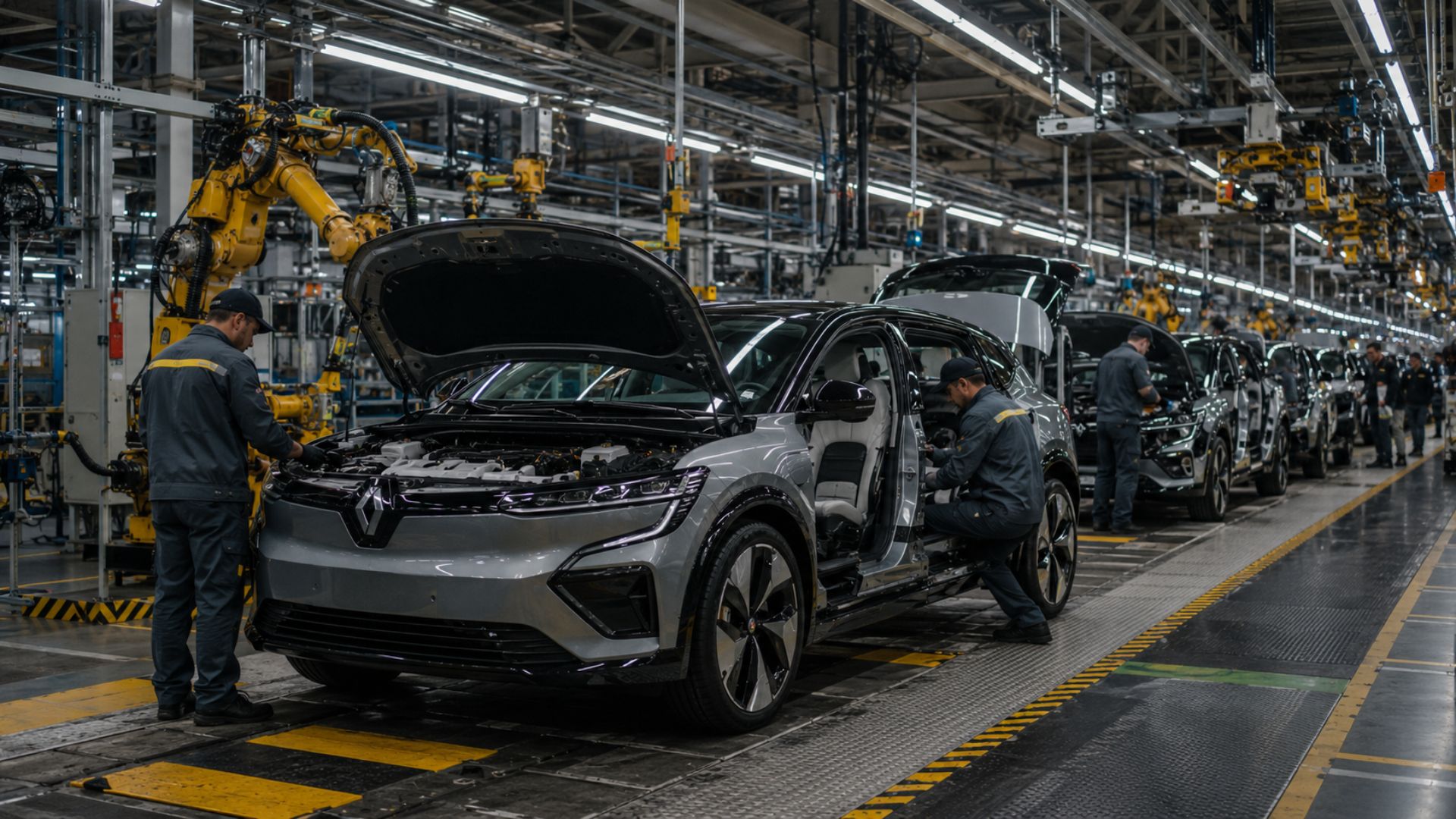
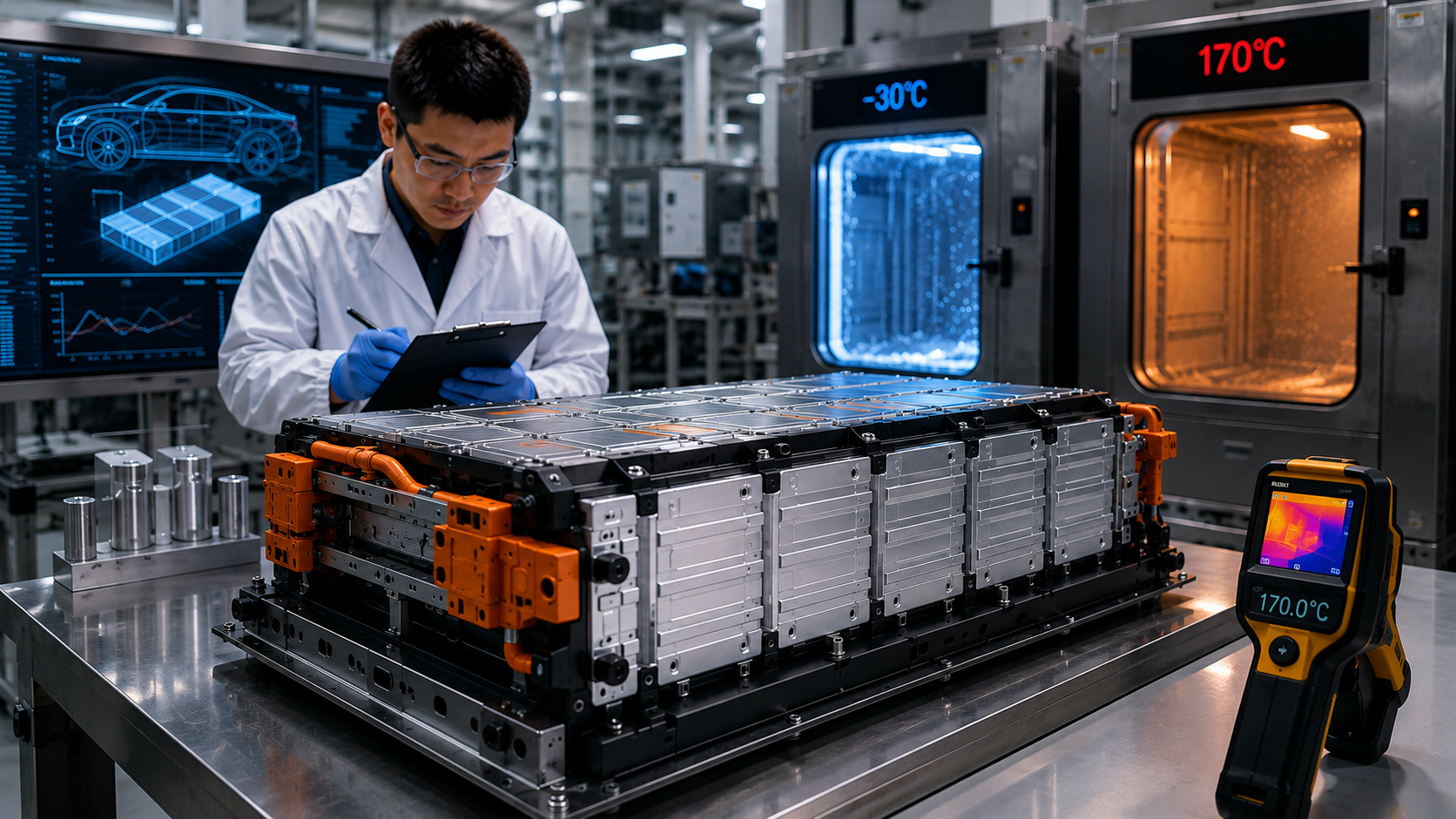
The impact of the decision is already felt across the group’s brands. Ram has officially abandoned the production of the 1500 REV, which would have been its first electric pickup. The model faced direct competition from the Ford F-150 Lightning, Tesla Cybertruck, and Chevrolet Silverado EV. However, demand for electric trucks in the United States fell significantly below expectations, leading Stellantis to reconsider the project.
In its place, the focus now shifts to the 1500 Ramcharger, equipped with two electric motors and a battery, but with increased range through a combustion engine that acts as a generator. Thus, the brand aims to offer electric performance without sacrificing the reliability of a traditional engine.
Challenges with Recalls and Quality
The change in direction does not eliminate other obstacles faced by Stellantis. Recently, the group had to call back 75 units of the Dodge Charger Daytona and Jeep Wagoneer EV due to a spring failure that could allow the vehicle to move even with the transmission in “P” position.
Additionally, hybrid models have also encountered problems. Approximately 92 thousand units of the Jeep Grand Cherokee Hybrid were called to dealerships due to the risk of sudden loss of power. These episodes reinforce the technical challenges faced by the conglomerate, which seeks to balance innovation with safety and reliability.
With this new approach, Stellantis makes it clear that it does not intend to engage in a direct battle with Chinese automakers in the 100% electric segment. Instead, it focuses on a more balanced transition, combining hybrid technology with the continuity of combustion engines. The strategy, according to executives from the group, aims to align profitability, actual consumer demand, and gradual adaptation to the future of sustainable mobility.