






 Portuguese
  Spanish
  4 min of reading
  0 comments


Without stopping once to charge, a Mercedes electric car traveled 1,205 kilometers — more than the distance from São Paulo to Florianópolis — using a solid-state battery that weighs 25% less and stores more energy than any other on the market
Mercedes-Benz has completed a test that no automaker had achieved before. An electric EQS prototype equipped with a solid-state battery traveled 1,205 kilometers on a single charge — without stopping to recharge at any point during the trip.
To put it in perspective: the distance between São Paulo and Florianópolis is 705 km. The car would have made that trip and still had enough battery left to go to Curitiba and back.
The test was conducted under real road conditions in Germany, with the battery supplied by the American company Factorial Energy. The vehicle traveled on highways, secondary roads, and urban areas — the type of route any driver would take on a real trip.
-
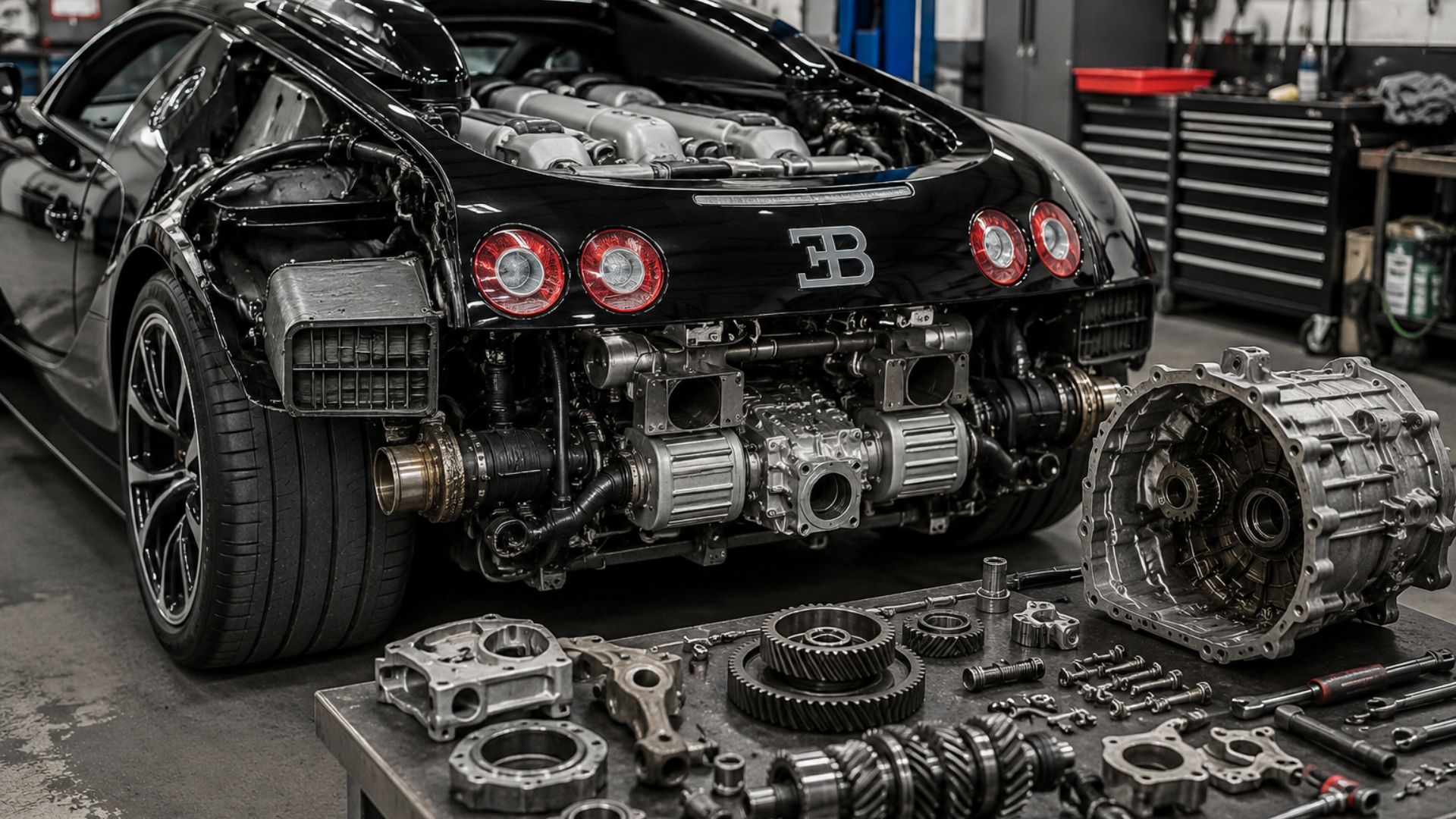
The YouTuber Mark McCann bought a Bugatti Veyron for almost $1.2 million, but discovered that the supercar’s gearbox is so damaged that even Bugatti itself won’t accept to repair it, and the repair could cost a fortune.

-
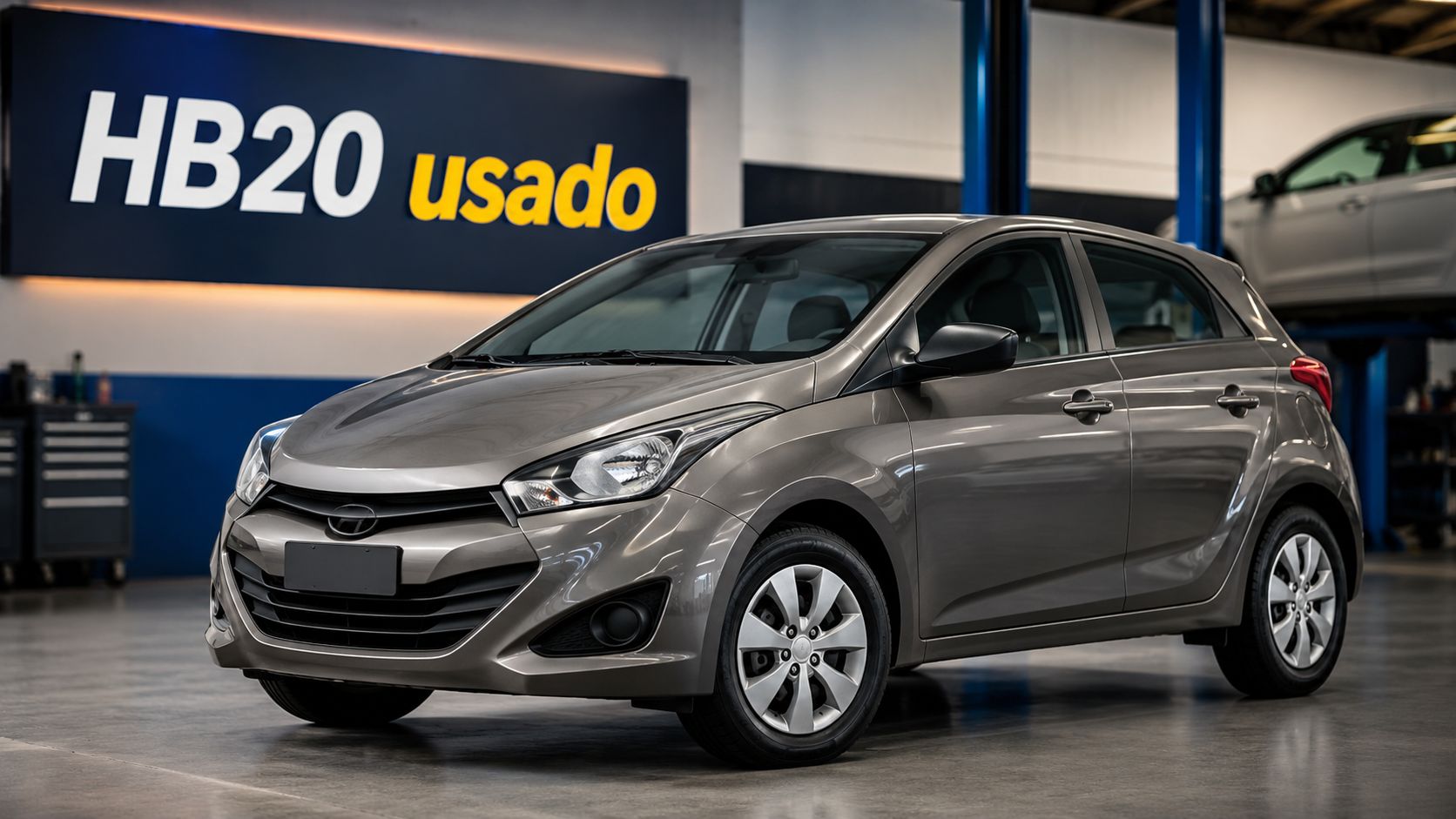
Thinking about buying a used HB20? See why the 2015 model is still a crowd favorite, with cheap parts, easy-to-fix mechanics, a strong engine, and quick sales.

-
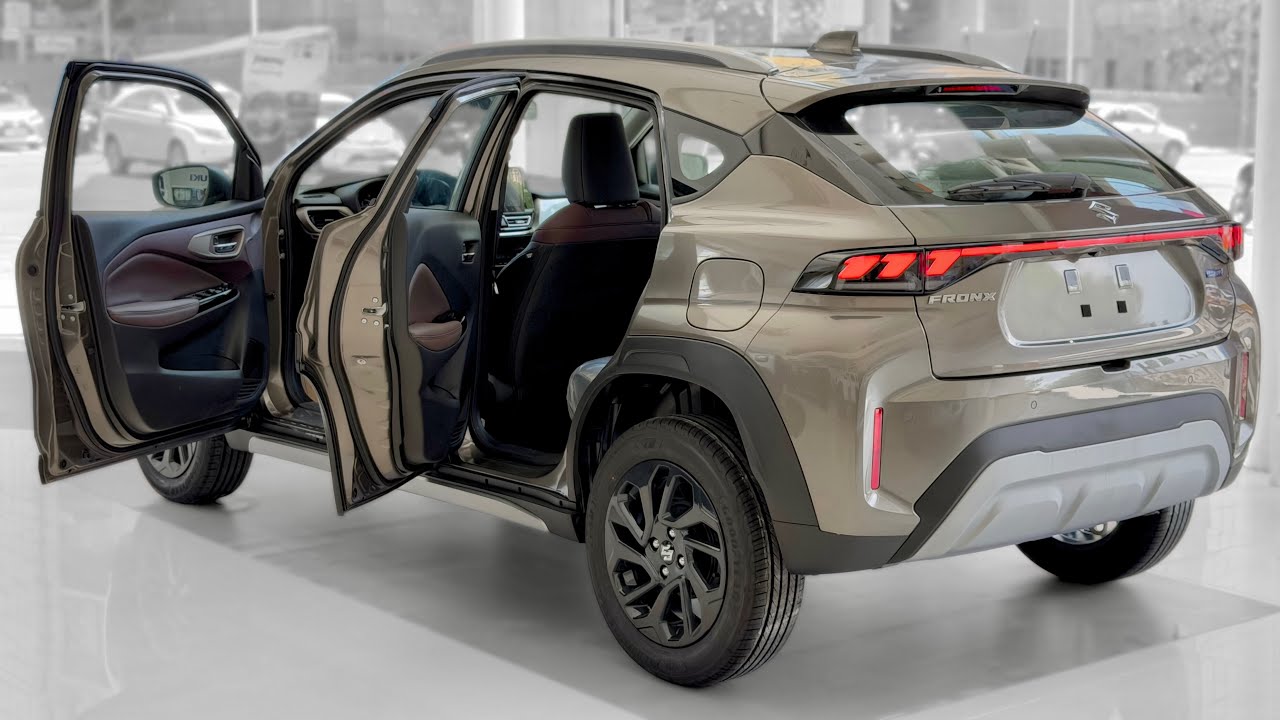
Suzuki Fronx emerges as the “compact coupe SUV” that Brazil doesn’t have: priced around R$ 37,000 in a tax-free conversion, the model has a hybrid version, 1.0 turbo engine, bold design, and the price of a popular car in India.

-
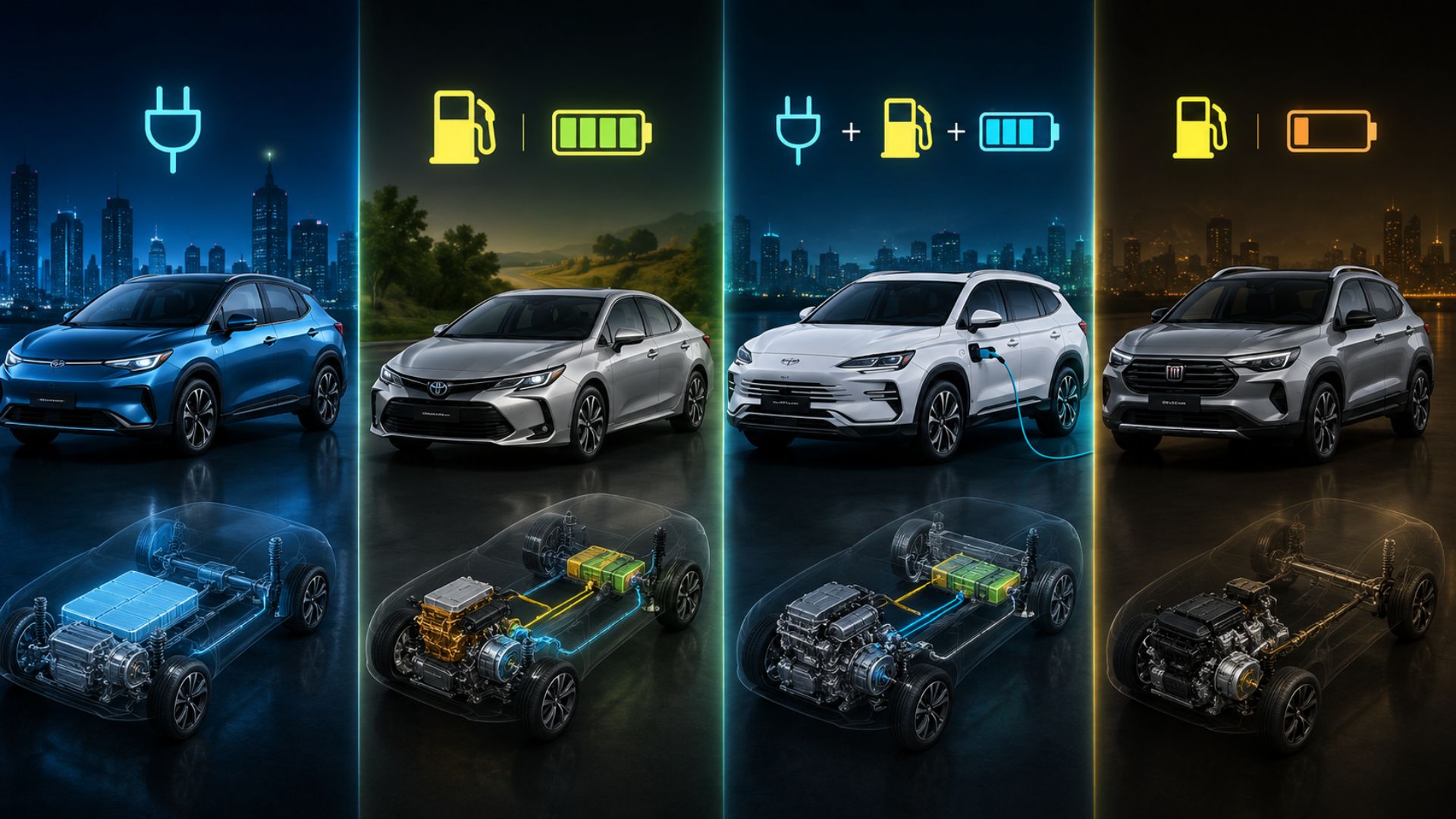
Not every car with a battery is truly electric; some hybrids never run solely on electric power, and since 2025, ABVE stopped counting mild hybrids as electrified, and these differences change everything when buying.
What’s different about this battery — and why it changes everything
Conventional electric car batteries use a liquid electrolyte to transport ions between the poles. Solid-state batteries replace this liquid with a solid material.
This change seems simple but has enormous consequences.
The battery in the Mercedes prototype has an estimated capacity of 135 kWh — about 25% more energy than the standard EQS battery — with similar or less weight.
This means more range without carrying more weight. And more energy in less space.
The measured consumption during the test was less than 10 kWh per 100 km — an impressive number. For comparison, a Tesla Model 3 consumes between 14 and 16 kWh per 100 km in real-world use.

Why the solid-state battery is the “revolution everyone is waiting for”
The automotive industry calls the solid-state battery the “Holy Grail” of electric vehicles. And there are concrete reasons for this.
- Higher energy density: more energy in the same volume, increasing range by up to 80%
- Lower weight: eliminates heavy liquid components
- Safer: no flammable liquid, fire risk drops drastically
- Faster charging: ions move more efficiently in the solid
- Longer lifespan: less degradation over charge cycles
Mercedes conducted validation tests at its Stuttgart-Untertürkheim and Sindelfingen facilities in Germany, combining digital simulations with real road tests.
1,205 km vs. what’s on the market today
The electric car with the longest homologated range currently is the standard Mercedes EQS, with 780 km according to the WLTP cycle.
In practice, most high-performance electric cars deliver between 400 and 600 km in real-world use.
The 1,205 km of the solid-state battery prototype represents double what any production electric car offers today.
And the potential is even greater. According to Mercedes data, the battery could theoretically deliver up to 1,342 km under optimized conditions.
This would completely eliminate “range anxiety” — the fear of running out of battery in the middle of a trip — which is the main obstacle to the mass adoption of electric cars.

Factorial Energy: the company behind the battery
The battery was developed by Factorial Energy, an American company specializing in solid-state cells.
The partnership with Mercedes has been ongoing for years, but this is the first time the technology has been tested in a complete vehicle under real road conditions.
The full validation program began in February 2025, moving from laboratory tests to prototype integration and, finally, to the 1,205 km test being announced now.
Mercedes-AMG High Performance Powertrains, based in Brixworth, UK, participated in the development. The same division that designs engines for Formula 1 is now applying its expertise to electric batteries — a clear sign that Mercedes is betting heavily on this technology.
The global race: Mercedes, Toyota, China — who gets there first
Mercedes is not alone in this race.
Toyota plans to start production of solid-state batteries between 2027 and 2030. Chinese CATL, the world’s largest battery manufacturer, also has advanced prototypes.
Changan Automobile, another Chinese automaker, announced a solid-state battery with a range of 1,500 km — but under the CLTC cycle (Chinese standard, typically 20-30% more optimistic than real conditions).
The difference with the Mercedes test is that the 1,205 km were covered on a real road, not in a laboratory or standardized cycle. This makes the result significantly more credible.

When this technology hits the market — and how much it will cost
Mercedes plans to start mass production of solid-state batteries before 2030 — possibly in the latter years of the decade.
The 2026 Mercedes CLA, which will hit the market as a production car, will have a range of 790 km — impressive, but using a conventional lithium-ion battery.
The difference between 790 km with a conventional battery and 1,205 km with a solid-state battery is more than 50%. With the same battery, the car travels an additional 415 km — practically the distance from São Paulo to Curitiba as a bonus.
The main obstacle to mass production is cost. Manufacturing solid-state cells on an industrial scale is still significantly more expensive than conventional batteries.
However, Mercedes’ own test proves that the technology works outside the lab. The challenge now is economic, not technical.
It’s important to note that the test was conducted by Mercedes itself on a route that may have been optimized for maximum efficiency. Independent third-party verification would lend more weight to the result. Still, the 1,205 km on a real road is a milestone that brings closer the era of long-distance electric cars — an era where recharging would be as rare as stopping to refuel on an airplane trip.
If a car can already travel 1,205 km on a single charge, the remaining question is: when will the charging infrastructure catch up with the battery — or will it even need to?








Be the first to react!