Portuguese
  Spanish


The automaker considers expanding cooperation with Dongfeng, reorganizing its industrial strategy in the country, and creating space for new models in the Brazilian market
Stellantis is considering producing cars from the Chinese company Dongfeng in Brazil as part of a global strategy that could increase its presence in important segments of the national market. The partnership between the two automakers includes discussions about local production, utilizing Brazilian factories, and developing vehicles aimed at compacts, pickups, and SUVs.
The analysis comes at a time when Stellantis is reorganizing investments, evaluating new partnerships, and observing the advancement of Chinese brands in the Brazilian automotive sector.
The possibility does not yet represent a final decision. Even so, the study shows that the company is seeking alternatives to better use its production structure in the country and expand the portfolio offered to Brazilian consumers.
-
Renault Kwid Outsider 2023: Affordable Used Hatchback with 1.0L Engine, 15.7 km/l Efficiency, and Ample Cargo Space for Around $11,000

-
Chevrolet SUV Offers 153 hp Engine, 620 km Range, and ADAS Features at a Lower Price Than a New Kwid

-
London buses run on biofuel made from coffee grounds, turning café waste into sustainable public transport fuel without engine modifications.

-
Major Automaker Considers Closing 4 Factories, Putting 45,000 Jobs at Risk Amid Chinese Competition in Brazil


Strategic review reveals possible use of factory in Brazil
The Porto Real factory in Rio de Janeiro appears as one of the main possibilities within the analysis conducted by Stellantis. The unit already produces Citroën models and is included in the company’s plans for new projects, reinforcing its position within the national strategy.
The automaker’s industrial division also helps explain this scenario. Betim, in Minas Gerais, concentrates projects related to Fiat, while Goiana, in Pernambuco, is associated with the plans of Leapmotor. Therefore, Porto Real emerges as an alternative to receive potential models linked to Dongfeng.
The evaluation, however, depends on technical, commercial, and industrial decisions. Stellantis still needs to determine whether the global partnership with the Chinese company will be transformed into national production or will remain merely as strategic cooperation.
Global partnership advances and expands paths for Dongfeng
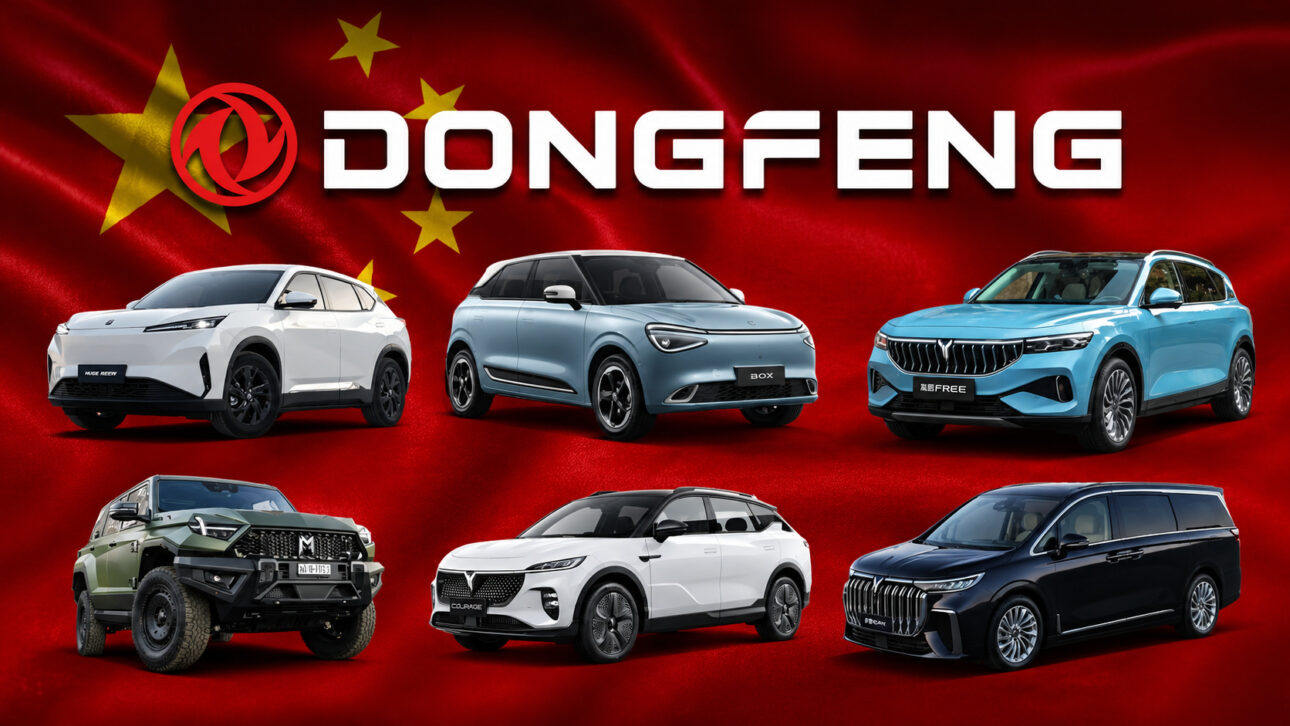
The relationship between Stellantis and Dongfeng already exists in other markets and has gained strength with new international plans. In Europe, the companies are moving towards a joint venture aimed at the production and commercialization of vehicles from Voyah, a premium brand linked to Dongfeng.
In Brazil, the logic may be different. The priority tends to consider the profile of the local consumer, the available production structure, and the segments with the greatest sales potential. Compacts, pickups, and SUVs appear as areas of greatest interest within this study.
This direction shows that Stellantis seeks to adapt the partnership to the Brazilian market, without automatically repeating the European model. The strategy may allow greater industrial flexibility and expand the reach of the Chinese brand in the country.
Brazilian market enters the radar of Chinese brands
The advance of Chinese manufacturers in Brazil pressures traditional automakers to review plans and accelerate new strategies. Dongfeng is also preparing its official entry into the national market, scheduled for August 2026, during the Interlagos Festival.
The brand’s arrival occurs in a more competitive environment. Chinese manufacturers have been expanding their presence in the country, mainly with electrified vehicles, SUVs, and models with greater technological appeal. This movement changes the sector’s dynamics and increases the competition for space in dealerships.
Stellantis observes this scenario while maintaining its plan of R$ 32 billion in investments in South America until the end of the decade. The partnership with Dongfeng may fit into this context of adaptation and industrial strengthening.
Compacts, pickups, and SUVs gain priority in the strategy
The segments of compacts, pickups, and SUVs remain among the most relevant for the Brazilian market. Stellantis already has a strong presence in these categories, especially with Fiat, Jeep, and Citroën, but the entry of new products may enhance its competitiveness.
The possible production of Dongfeng models would allow the automaker to explore new market ranges and respond to the growth of Chinese brands. The use of local factories could also reduce costs and bring products closer to Brazilian consumer demands.
This movement, however, still depends on internal validations. The company evaluates platforms, industrial capacity, market positioning, and commercial viability before advancing to a definitive decision.
The future of the partnership in Brazil
The possible production of Dongfeng cars in Brazilian factories is still under study, but it already signals an important change in Stellantis’ strategy. The company tries to combine global partnerships, local structure, and high-demand segments to remain competitive.
The Brazilian market should closely follow the automaker’s next steps, especially after Dongfeng’s official arrival in the country. If it advances, the partnership could reinforce the Chinese presence in Brazil and reorganize part of the competition between traditional automakers and new manufacturers.
Do you believe that the production of Chinese cars by a manufacturer already established in Brazil can strengthen the national industry or further increase competition in the automotive sector?