






 Portuguese
  Spanish
  3 min of reading
  0 comments


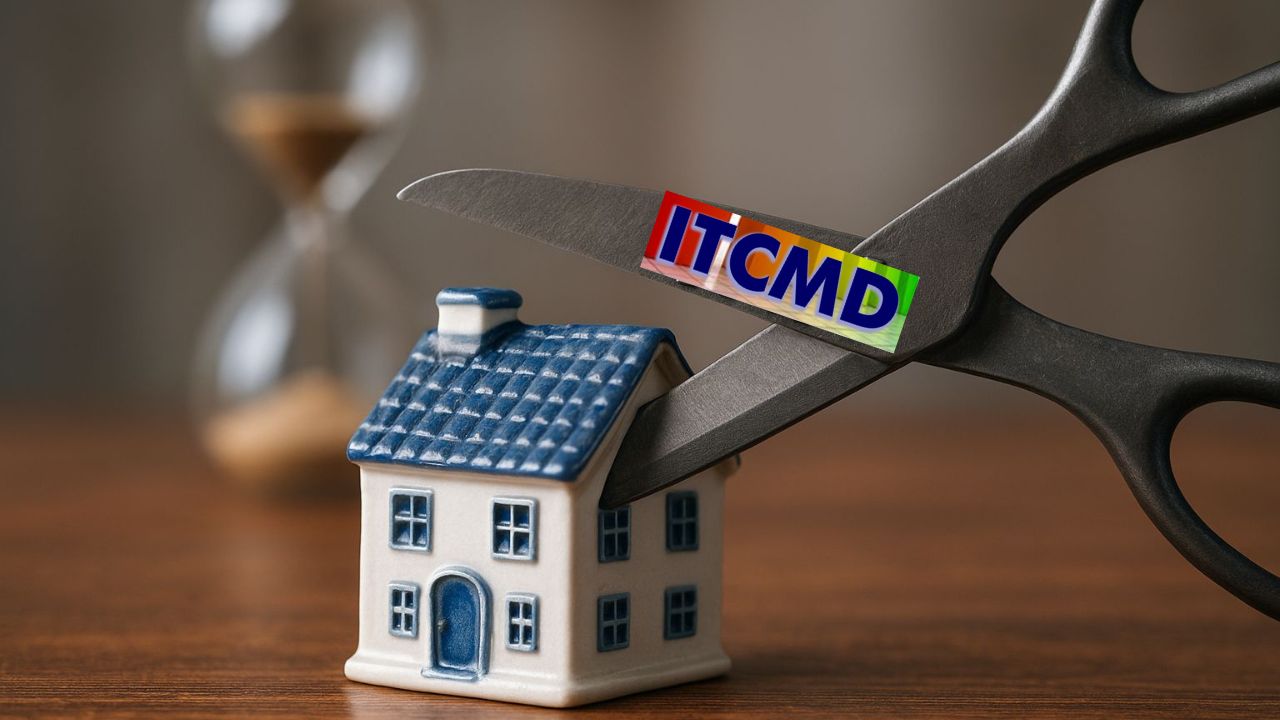
Proposed Changes In Congress May Increase The Inheritance And Donation Tax. Experts Recommend Advancing Estate Planning To Take Advantage Of Current Rules And Avoid Higher Costs.
The tax reform underway in Brazil is expected to directly impact the way assets are transferred by donation or inheritance. A complementary bill may make the Inheritance and Donation Tax (ITCMD) more expensive, especially for those with high net worth. Therefore, experts warn that the time to organize succession is now.
Understand The ITCMD: The Current Tax On Inheritances And Donations
The transfer of assets by donation or inheritance is subject to the ITCMD (Inheritance and Donation Tax), a state tax. Currently, its rules and rates vary by state.
Some, like São Paulo, operate with fixed rates. Others adopt progressive systems, where the rate increases according to the value transferred. The Federal Senate sets an 8% cap for this tax, but each state has the autonomy to set its own percentages within that limit. This difference in state legislation creates estate and succession movements.
-
Brazilian Joins Homeownership Consortium, Faces Decade of Dual Payments Totaling $141,000, Surpassing Traditional Mortgage

-
Land Rover to Halt Production in July, Putting 371 Jobs at Risk, as Chinese Automaker Negotiates to Convert Factory to 100,000 Vehicles Annually by 2027

-
Mexican Pest Threatens U.S. Cattle Herds at Historic Lows, Potentially Boosting Brazilian Beef Exports as Burger Prices Soar

-
Brazilian Freight Bill Progresses in Congress with $5,000 Minimum Wage, 70% Advance Payment, and Fines Up to $1 Million, as Agriculture and Industry Warn of Rising Costs and Legal Uncertainty


What Changes With The New Tax Reform Bill?
This scenario may change. The Complementary Bill (PLP) 108/2024, currently in Congress, proposes to unify the rules. If approved, all states will be required to adopt a progressive system of tax brackets.
In addition, the tax base will be expanded. This means an increase in amounts paid, making the system more burdensome, especially for large estates.
New Rates: How Much Will You Have To Pay In Tax?
The estimate for the new progressive ITCMD rates anticipates brackets that increase according to the value of the estate. Each state will need to create its specific brackets, but the proposal serves as a reference.
Check the estimate:
| Value Bracket | Estimated Rate |
| Up To R$ 353,600.00 | 2% |
| From R$ 353,600.01 To R$ 3,005,600.00 | 4% |
| From R$ 3,005,600.01 To R$ 9,900,800.00 | 6% |
| Above R$ 9,900,800.01 | 8% |
“People with significant wealth will pay more tax, both due to progressivity and the increase in the tax base and potential rise of the tax cap, which may reach up to 20%,” explains David Andrade Silva, tax lawyer and partner at Andrade Silva Advogados.
Advance Succession Planning: The Recommendation Of The Experts
Given the potential increase in costs with the tax reform, the main recommendation is to advance estate planning. “Organize your succession while alive, taking advantage of the ITCMD window,” advises Silva. Strategies include donations with usufruct guarantees and creating asset holding companies.
Larissa Althoff, director of strategic partnerships at MAG Seguros, confirms that many people are already advancing their plans to take advantage of lower rates. “Waiting for the new rate table to take effect may mean paying higher taxes,” says Althoff.
Life Insurance: A Strategic Alternative To Protect Assets
In this new context, life insurance stands out. According to the director of MAG, it offers immediate liquidity to beneficiaries, without depending on the slowness of an estate process.
“Insurance stands out as a product that remains immune to these changes and, therefore, is an extremely valuable asset in the succession process,” adds Althoff. The insurance capital is released directly to the beneficiaries, without entering disputes. This ensures speed and clarity in the allocation of resources, outside the new tax rules. For experts, acting now is the best strategy to preserve your assets.





-

-

-

-

-

37 people reacted to this.