Portuguese
  Spanish


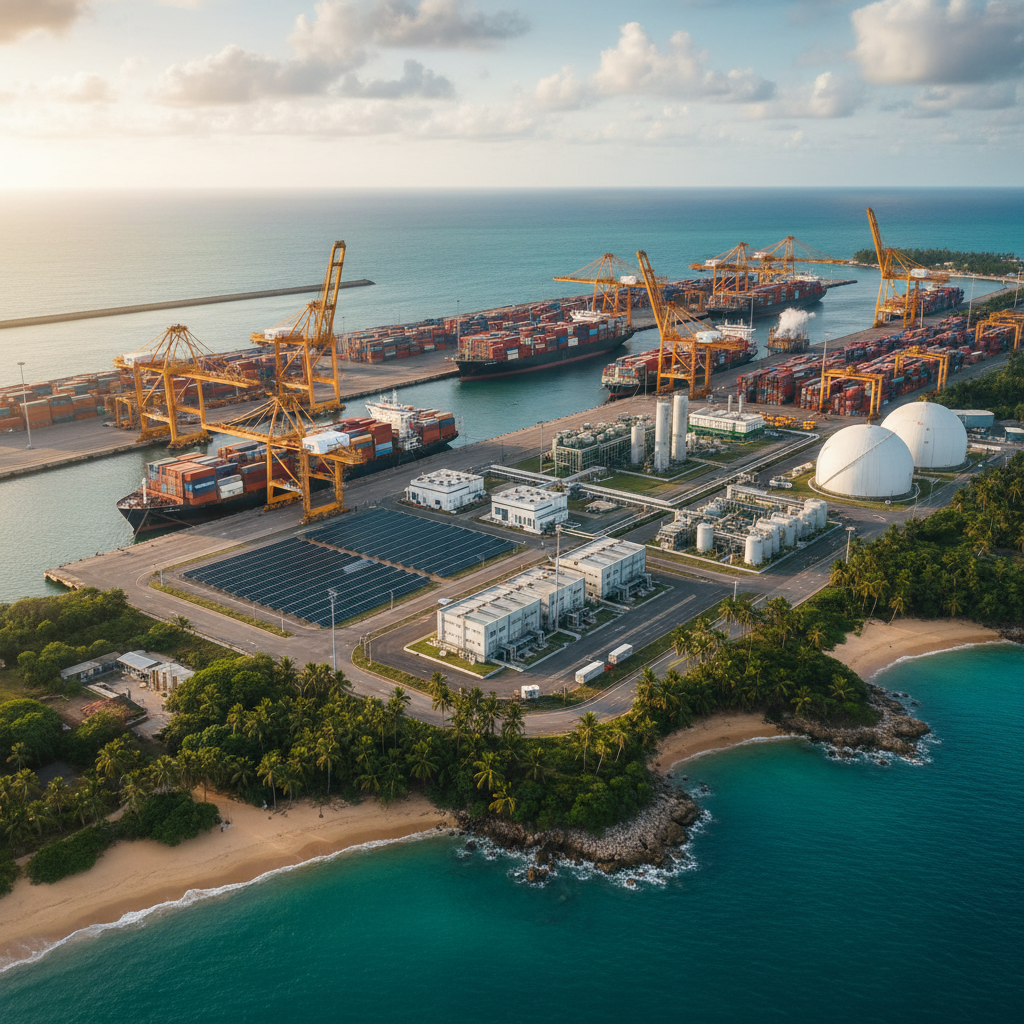

With R$ 15.8 billion in investments by 2030 and a Sino-Brazilian partnership of R$ 8 billion in green hydrogen, the Pernambuco port is reinventing itself as a clean energy hub and aims to rival Rotterdam
When talking about energy transition in Brazil, the name that comes up most is the Suape Port Industrial Complex in Pernambuco.
And it’s not by chance.
The port is receiving total investments exceeding R$ 15.8 billion by 2030, focusing on green hydrogen, e-methanol, and low-carbon fuels.
-
Fired during apartheid and with a little borrowed money, an electrician started with a borrowed truck and transformed electrical services into a group connected to energy, real estate, and infrastructure in South Africa.

-
Wood has ceased to be just a construction material in Yale research and has become insulation for electrical transformers that face intense heat, aging, and increasing pressure from the renewable energy-powered grid.
-
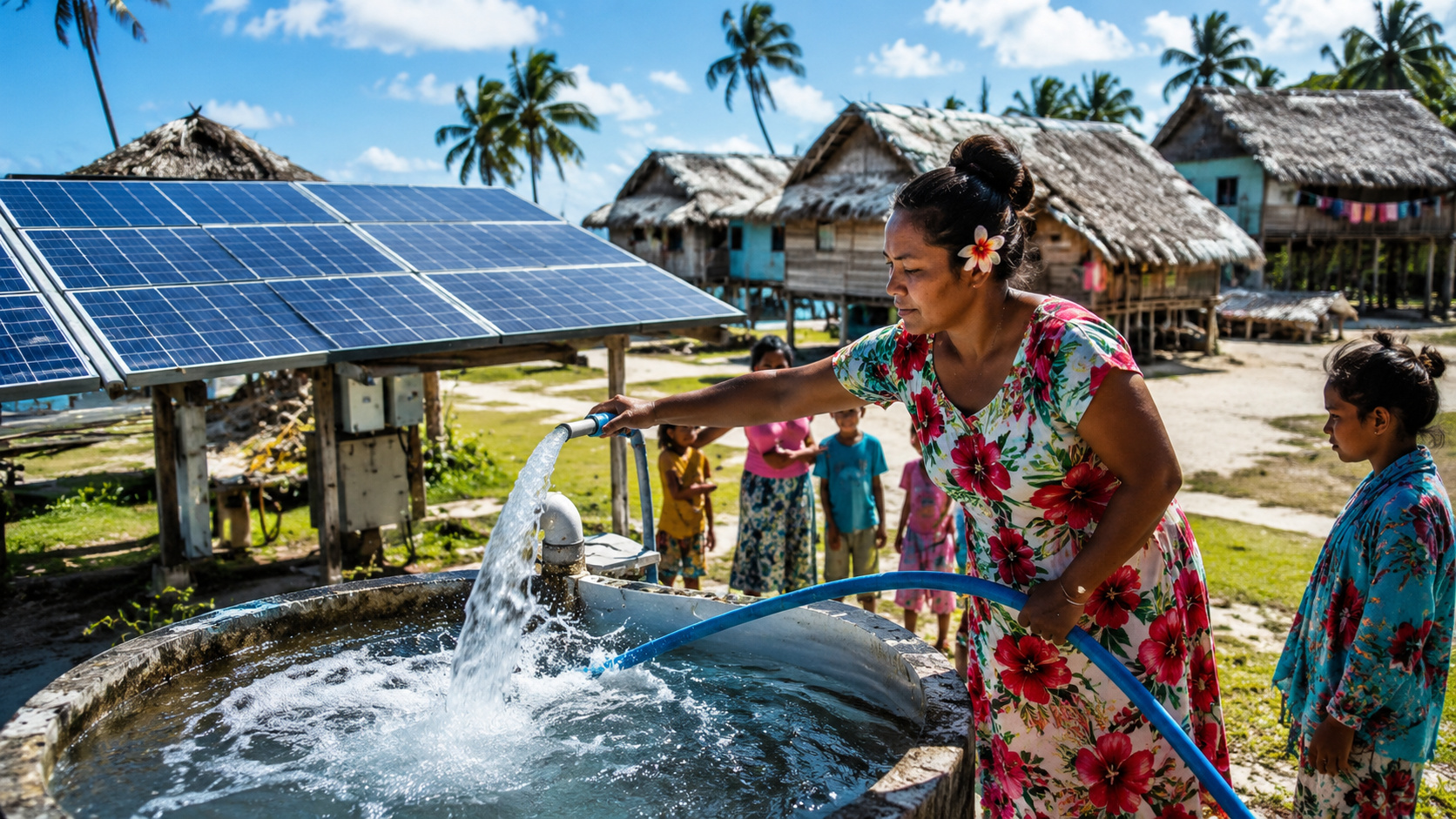
More than 1,000 residents of a remote island in Kiribati now have clean water and electricity with solar systems operated by the community itself.
-
They exchanged the idea of a large house for a 35 m² warehouse, spent US$ 12,000 on the structure, and created a tiny house in Colorado with space to live and work.

In addition, a partnership between Brazil and China promises to inject another R$ 8 billion into an industrial complex dedicated to the production of green hydrogen, methanol, and chemicals for export.

The megaprojects transforming Suape
Three major investors are leading the transformation:
- European Energy (EE Methanol do Brasil): R$ 2 billion in the first phase to produce 15 tons per hour of green e-methanol, a clean maritime fuel. Preliminary license already issued. Construction in 2026. Creates 1,500 jobs in construction.
- GoVerde Holding: R$ 2 billion for two e-methanol plants with a capacity of 100,000 tons each, using green hydrogen and biogas. Contract signed in June 2024.
- Sino-Brazilian Complex: R$ 8 billion for green hydrogen, methanol, and export chemicals, generating more than 10,000 jobs.
Together, the three projects total R$ 12 billion just in the first phase.
R$ 1.8 billion in port infrastructure
In addition to clean energy, Suape is investing R$ 1.8 billion by 2030 in expanding the port.
The new container terminal at docks 6 and 7 will have an initial capacity of 400,000 TEUs per year.
The tanking area will be expanded to 247,000 square meters.
Liquid bulk already dominates 70% of the port’s operations.
According to Armando Monteiro Bisneto, the CEO of the Complex: “Suape is a port that operates every day of the year, without queues and with favorable weather conditions.”

More than 15,000 direct and indirect jobs
The sum of all projects creates a huge social impact:
- Sino-Brazilian Complex: +10,000 jobs
- European Energy (construction): 1,500 jobs
- Container terminal (construction): 500 direct + 2,000 indirect
- Container terminal (operation): 350 direct + 1,400 indirect
Export Processing Zone
The federal government and the state of Pernambuco signed a memorandum of understanding to establish an Export Processing Zone (ZPE) in Suape.
The ZPE offers special tax and exchange treatments for exports.
European Energy and GoVerde have already committed R$ 4 billion for the ZPE.
A third energy transition agreement is awaiting formalization.
Caveats
The environmental licensing for European Energy is still in the initial phase — the preliminary license is valid for 1 year, extendable for up to 5.
The billion-dollar investments from the Sino-Brazilian complex are estimates subject to regulatory approvals.
Furthermore, the formalization of the ZPE may be delayed, impacting timelines.
Still, the speed at which Suape is attracting international capital for clean energy positions it as the most advanced Brazilian port in the energy transition.