






 Portuguese
  Spanish


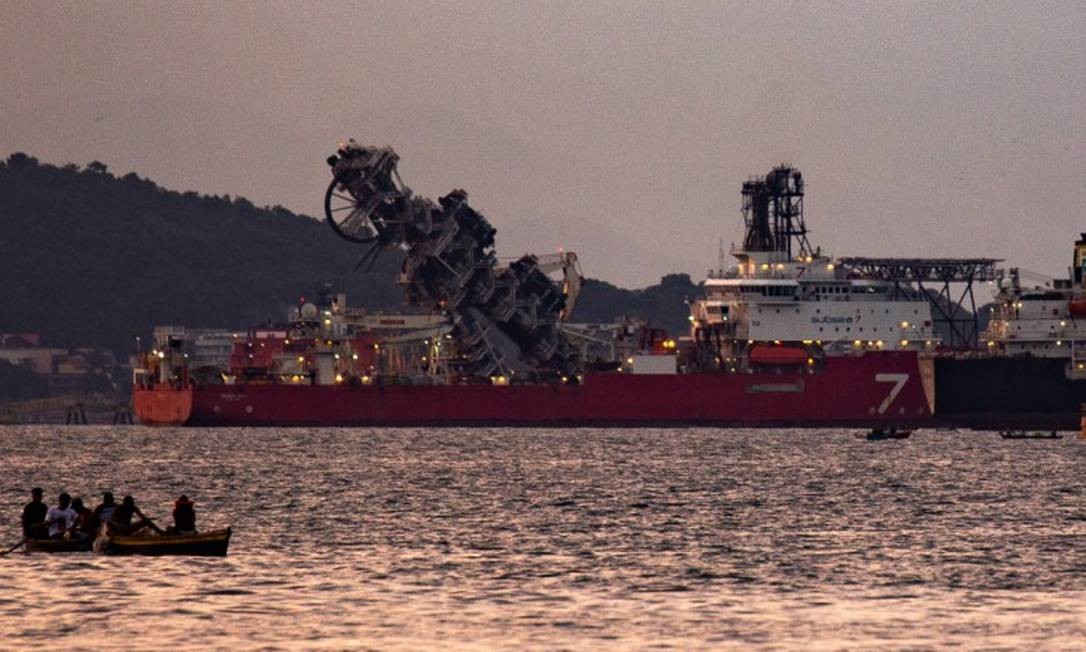

Subsea 7 Received The New Construction Of The Reel Ship Seven Vega
According to Phil Simons, Executive Vice President of Projects and Operations at Subsea 7, the new fleet of ships has been designed to install cost-effective flowline technologies that meet the growing trend of longer subsea tiebacks. This includes complex systems of pipe-in-pipe, piggyback, and heat-traced electrically, risers, umbilicals, and structures in water depths of up to 3,000 m (9,842 feet).
Also Read
The ship Seven Vega, which is now carrying a pipeline, will work on BP’s Manuel project in the Gulf of Mexico, a two-well subsea tieback to the Na Kika platform, in water depths of up to 1,900 m (6,233 feet).
Subsea 7 Committed To Spend $25 Million On Ships
In September, Subsea 7 also committed to spend $25 million on the conversion of the Seven Phoenix for offshore wind cable installation work, as its cable installation vessel Seaway Aimery will likely be busy until 2022. The conversion has begun, and the vessel is expected to rejoin the fleet in Q2 2021.
-
Havaianas: From Humble Beginnings to a $900 Million Global Fashion Icon

-
Helsinki Residents Receive Water That Travels 120 Kilometers Through a Hidden Rock Tunnel from a Lake Before Treatment
-
SENAI Launches $36 Million Innovation Round to Boost Brazilian Manufacturing Productivity and Reduce Business Risks with R&D Projects by 2026
-
Indonesia Plans to Build 5,000 Suspension Bridges by 2026 to Connect Rural Communities to Schools, Health Centers, and Markets




Additionally, the company published an update on several ongoing projects in its Q3 earnings statement. In Norway, the Seven Arctic completed the final offshore phase of the Snorre Expansion project for Equinor, while the Seven Oceans installed an electrically traced flowline in Ærfugl for Aker BP.
Market Outlook For The New Fleet
Regarding market outlook, Subsea 7 sees activity levels increasing in the Gulf of Mexico, with a portfolio of projects involving low-cost tiebacks to existing infrastructure.
In Brazil, strong tenders for pre-salt work benefit from favorable oil price reductions, and Norway also offers opportunities following the introduction of tax incentives.
Elsewhere, notably in the UK, Africa, and Asia, the outlook is less certain, with the timing of certain projects in Saudi Arabia, including Marjan 2, under client review.


